
Ration Subsidy Update: New 30-Day Rule Introduced, Benefits May Be Affected

Ration card holders in Chandigarh and Dadra and Nagar Haveli are set to see a major change in how their food subsidy is delivered. From August 14, 2026, eligible beneficiaries will receive the subsidy in their digital wallets through the e-Rupee system under the Pradhan Mantri Garib Kalyan Anna Yojana (PMGKAY).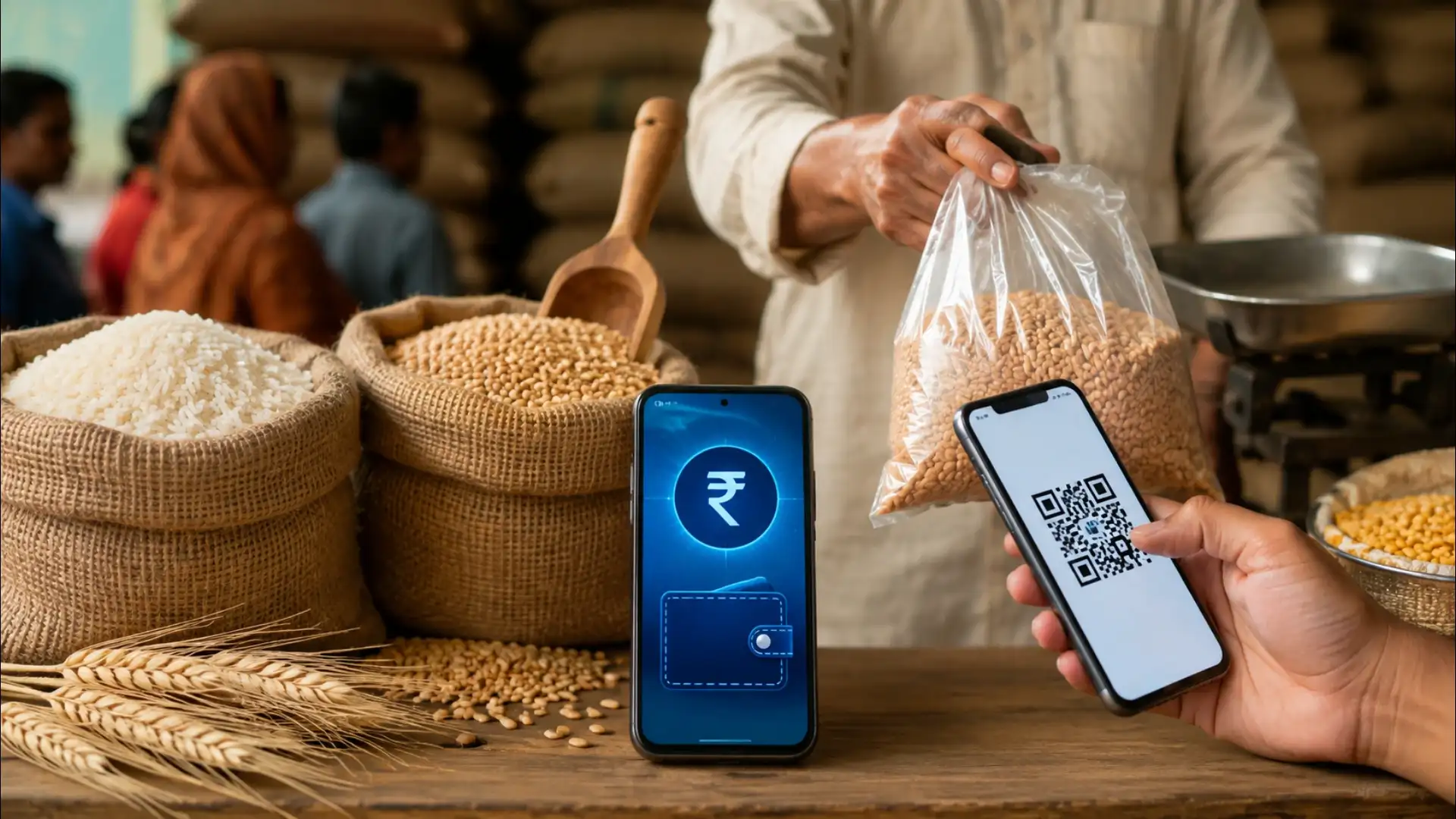
The e-Rupee cannot be spent on mobile recharges, clothes, alcohol or other personal expenses. To buy ration, beneficiaries will need to scan a QR code at the designated ration shop.
The balance will also have a 30-day validity. If the beneficiary does not use the subsidy within this period, the amount will be returned to the government account.
For assistance, beneficiaries can contact the toll-free number 1800-180-2068.
The move is aimed at reducing leakages and ensuring that subsidy meant for food grains is actually used for purchasing ration.
Under ONORC, eligible ration card holders can collect subsidised food grains from any participating Fair Price Shop across the country, rather than being restricted to one shop. The system is particularly useful for people who move between states for work or other reasons.
The government expects the system to make ration access more flexible, reduce queues and improve transparency in food grain distribution.
Subsidy Can Be Used Only for Ration
The digital money will come with a specific purpose. Beneficiaries can use it only to purchase wheat or rice from government-authorised Fair Price Shops.The e-Rupee cannot be spent on mobile recharges, clothes, alcohol or other personal expenses. To buy ration, beneficiaries will need to scan a QR code at the designated ration shop.
The balance will also have a 30-day validity. If the beneficiary does not use the subsidy within this period, the amount will be returned to the government account.
How to Complete e-Rupee KYC
Beneficiaries who want to use the facility need to download the PNB Digital Rupee app and complete KYC. They can visit their nearest ration office or designated camp and provide their registered mobile number for the process.For assistance, beneficiaries can contact the toll-free number 1800-180-2068.
Model Tested Before Wider Rollout
The digital subsidy model was first tested in Puducherry and Gujarat. Following the reported success of the pilot, the system is now being introduced in Chandigarh and Dadra and Nagar Haveli.The move is aimed at reducing leakages and ensuring that subsidy meant for food grains is actually used for purchasing ration.
Ration Can Be Collected From Any Shop
Alongside the digital subsidy system, the government is also strengthening the ' One Nation One Ration Card ' (ONORC) system.Under ONORC, eligible ration card holders can collect subsidised food grains from any participating Fair Price Shop across the country, rather than being restricted to one shop. The system is particularly useful for people who move between states for work or other reasons.
The government expects the system to make ration access more flexible, reduce queues and improve transparency in food grain distribution.
Next Story