
Home Charging vs Public Charging: What EV Buyers Need to Know

Electric vehicles are steadily becoming a common sight on Indian roads. With rising fuel prices and growing awareness about cleaner mobility, more people are considering the switch to electric. Yet one question continues to puzzle many first-time buyers: how do you charge an EV? Unlike petrol or diesel vehicles that rely on fuel stations, electric vehicles can be charged in several ways. Owners can charge them at home, at their workplace, or at dedicated public charging stations. Once you understand how the system works, charging an EV is actually quite simple and convenient.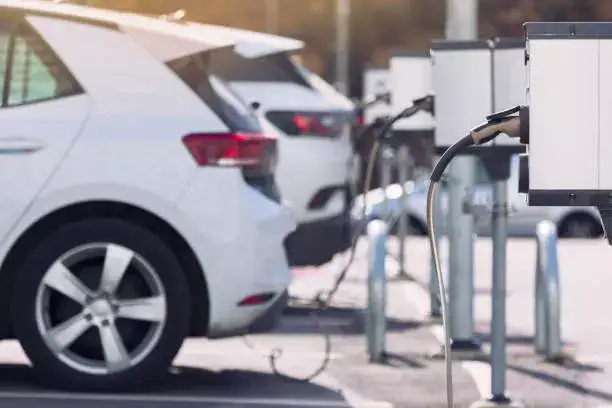
Understanding how EV charging works
At the most basic level, charging an electric vehicle means supplying electricity to the battery so it can power the motor. EV chargers are generally divided into two main categories: AC chargers and DC fast chargers.
AC chargers are the slower and more common option. They usually provide between 3.3 kW and 22 kW of power. Because the power delivery is lower, charging through AC can take several hours. However, this type of charging is ideal for regular daily use when the vehicle can remain plugged in for longer periods, such as overnight.
DC fast chargers work differently. They deliver electricity directly to the battery at much higher power levels, typically ranging from around 30 kW to well over 240 kW. This higher power output dramatically reduces charging time. In many cases, a DC fast charger can refill a large portion of an EV battery within an hour, making it especially useful when drivers are travelling long distances.
Charging standards used in India
India currently uses multiple charging standards to support different types of electric vehicles, including cars, two wheelers, and three wheelers.
AC chargers are the most widely used across homes, offices, and residential complexes. Electric cars commonly use the Type-2 AC charger, which has become the standard connector for many modern EVs. For smaller vehicles such as electric scooters and three wheelers, the Bharat AC-001 charger is also commonly used. These AC chargers usually deliver power between 3.3 kW and 22 kW.
When faster charging is required, DC chargers come into play. Among them, the CCS2 standard has emerged as the dominant fast-charging system for electric cars in India. Many public charging stations and highway charging hubs are equipped with CCS2 connectors.
High-powered DC chargers can supply anywhere from 50 kW to as much as 350 kW. With this level of power, many electric vehicles can charge from about 10 percent to 80 percent in roughly 20 to 60 minutes. The exact time depends on factors such as the vehicle’s battery capacity, charging compatibility, and the power rating of the charger being used.
Home charging: the most popular choice
For the majority of EV owners in India, home charging is the primary and most convenient method. In fact, most car manufacturers recommend slow home charging for everyday use because it is gentle on the battery and fits easily into daily routines.
When someone purchases an electric vehicle, the manufacturer typically provides a home charging unit, often called a wall box charger. This charger is installed in the owner’s parking space and connected to the household electricity supply. Once installed, the process is simple. Drivers just plug the vehicle into the charger when they return home.
Some EVs can also be charged using a regular 15-amp household plug socket. While this option is useful in situations where a dedicated charger is not available, it is generally slower. A wall-mounted charger is usually safer and provides faster charging speeds.
The biggest advantage of home charging is convenience. Owners can plug in their vehicle at night and let it charge while they sleep. By morning, the car is ready to go with a full or nearly full battery. This routine works well for most people because daily driving distances are often well within the vehicle’s range.
Charging at home is also more affordable in many cases. Household electricity tariffs are usually lower than the commercial electricity rates used at public charging stations, which means regular charging costs can be kept under control.
Public charging: helpful when you need it
Public charging stations play an important role in the EV ecosystem, especially for drivers who need quick top-ups or are travelling beyond their usual daily routes.
These charging stations are increasingly being installed in places such as shopping malls, office complexes, petrol pumps, highways, and dedicated EV charging hubs. Many cities are also expanding their public charging networks to support the growing number of electric vehicles.
Fast chargers at these locations can quickly add significant range to a vehicle’s battery. For example, a stop of 30 to 45 minutes at a fast charger may provide enough charge to continue a long highway journey comfortably.
However, public charging typically costs more than charging at home. The higher price reflects the expensive equipment used at fast-charging stations and the commercial electricity tariffs applied by charging network operators. Even so, these stations are extremely valuable for long-distance travel and for drivers who do not have access to private charging at home.
A growing charging network
India’s EV charging infrastructure is expanding steadily as electric mobility gains momentum. Government initiatives, private charging companies, and automakers are all investing in new charging stations across cities and highways.
As the number of chargers increases and technology improves, charging an electric vehicle will become even more convenient. Over time, the experience of recharging an EV is expected to feel just as straightforward as stopping at a petrol station today.
For many drivers, the combination of reliable home charging and a growing network of public fast chargers already makes electric vehicles a practical and attractive choice for everyday transportation.
Understanding how EV charging works
At the most basic level, charging an electric vehicle means supplying electricity to the battery so it can power the motor. EV chargers are generally divided into two main categories: AC chargers and DC fast chargers. AC chargers are the slower and more common option. They usually provide between 3.3 kW and 22 kW of power. Because the power delivery is lower, charging through AC can take several hours. However, this type of charging is ideal for regular daily use when the vehicle can remain plugged in for longer periods, such as overnight.
DC fast chargers work differently. They deliver electricity directly to the battery at much higher power levels, typically ranging from around 30 kW to well over 240 kW. This higher power output dramatically reduces charging time. In many cases, a DC fast charger can refill a large portion of an EV battery within an hour, making it especially useful when drivers are travelling long distances.
Charging standards used in India
India currently uses multiple charging standards to support different types of electric vehicles, including cars, two wheelers, and three wheelers.AC chargers are the most widely used across homes, offices, and residential complexes. Electric cars commonly use the Type-2 AC charger, which has become the standard connector for many modern EVs. For smaller vehicles such as electric scooters and three wheelers, the Bharat AC-001 charger is also commonly used. These AC chargers usually deliver power between 3.3 kW and 22 kW.
When faster charging is required, DC chargers come into play. Among them, the CCS2 standard has emerged as the dominant fast-charging system for electric cars in India. Many public charging stations and highway charging hubs are equipped with CCS2 connectors.
High-powered DC chargers can supply anywhere from 50 kW to as much as 350 kW. With this level of power, many electric vehicles can charge from about 10 percent to 80 percent in roughly 20 to 60 minutes. The exact time depends on factors such as the vehicle’s battery capacity, charging compatibility, and the power rating of the charger being used.
Home charging: the most popular choice
For the majority of EV owners in India, home charging is the primary and most convenient method. In fact, most car manufacturers recommend slow home charging for everyday use because it is gentle on the battery and fits easily into daily routines.When someone purchases an electric vehicle, the manufacturer typically provides a home charging unit, often called a wall box charger. This charger is installed in the owner’s parking space and connected to the household electricity supply. Once installed, the process is simple. Drivers just plug the vehicle into the charger when they return home.
Some EVs can also be charged using a regular 15-amp household plug socket. While this option is useful in situations where a dedicated charger is not available, it is generally slower. A wall-mounted charger is usually safer and provides faster charging speeds.
The biggest advantage of home charging is convenience. Owners can plug in their vehicle at night and let it charge while they sleep. By morning, the car is ready to go with a full or nearly full battery. This routine works well for most people because daily driving distances are often well within the vehicle’s range.
Charging at home is also more affordable in many cases. Household electricity tariffs are usually lower than the commercial electricity rates used at public charging stations, which means regular charging costs can be kept under control.
Public charging: helpful when you need it
Public charging stations play an important role in the EV ecosystem, especially for drivers who need quick top-ups or are travelling beyond their usual daily routes.You may also like
- Planning to Buy the Tata Curvv? Check the Monthly EMI Before Taking a Loan
- Hatchback, Sedan, SUV or Coupe: Understanding the Different Types of Cars
- Explained: Why a Chinese Battery Is Used in a Made-in-India EV and How Safe It Is in Extreme Heat
- New Renault Duster to Launch in India on March 17; Developed with IIT Kanpur's Wind Tunnel Technology
- Upcoming Maruti Suzuki Brezza Facelift: Expected Features, Specifications and Launch Details
These charging stations are increasingly being installed in places such as shopping malls, office complexes, petrol pumps, highways, and dedicated EV charging hubs. Many cities are also expanding their public charging networks to support the growing number of electric vehicles.
Fast chargers at these locations can quickly add significant range to a vehicle’s battery. For example, a stop of 30 to 45 minutes at a fast charger may provide enough charge to continue a long highway journey comfortably.
However, public charging typically costs more than charging at home. The higher price reflects the expensive equipment used at fast-charging stations and the commercial electricity tariffs applied by charging network operators. Even so, these stations are extremely valuable for long-distance travel and for drivers who do not have access to private charging at home.
A growing charging network
India’s EV charging infrastructure is expanding steadily as electric mobility gains momentum. Government initiatives, private charging companies, and automakers are all investing in new charging stations across cities and highways. As the number of chargers increases and technology improves, charging an electric vehicle will become even more convenient. Over time, the experience of recharging an EV is expected to feel just as straightforward as stopping at a petrol station today.
For many drivers, the combination of reliable home charging and a growing network of public fast chargers already makes electric vehicles a practical and attractive choice for everyday transportation.






More from our partners


Loving Newspoint? Download the app now
