
How to Stay Safe While Riding Your Two-Wheeler in Hot Weather

Riding a two-wheeler during the hot summer months can be both thrilling and challenging. The warmth of the sun can increase the risks associated with riding, from dehydration to heat exhaustion. To stay safe and enjoy your ride, it's essential to take precautions against the heat. Here are some tips to help you stay safe while riding your two-wheeler in hot weather.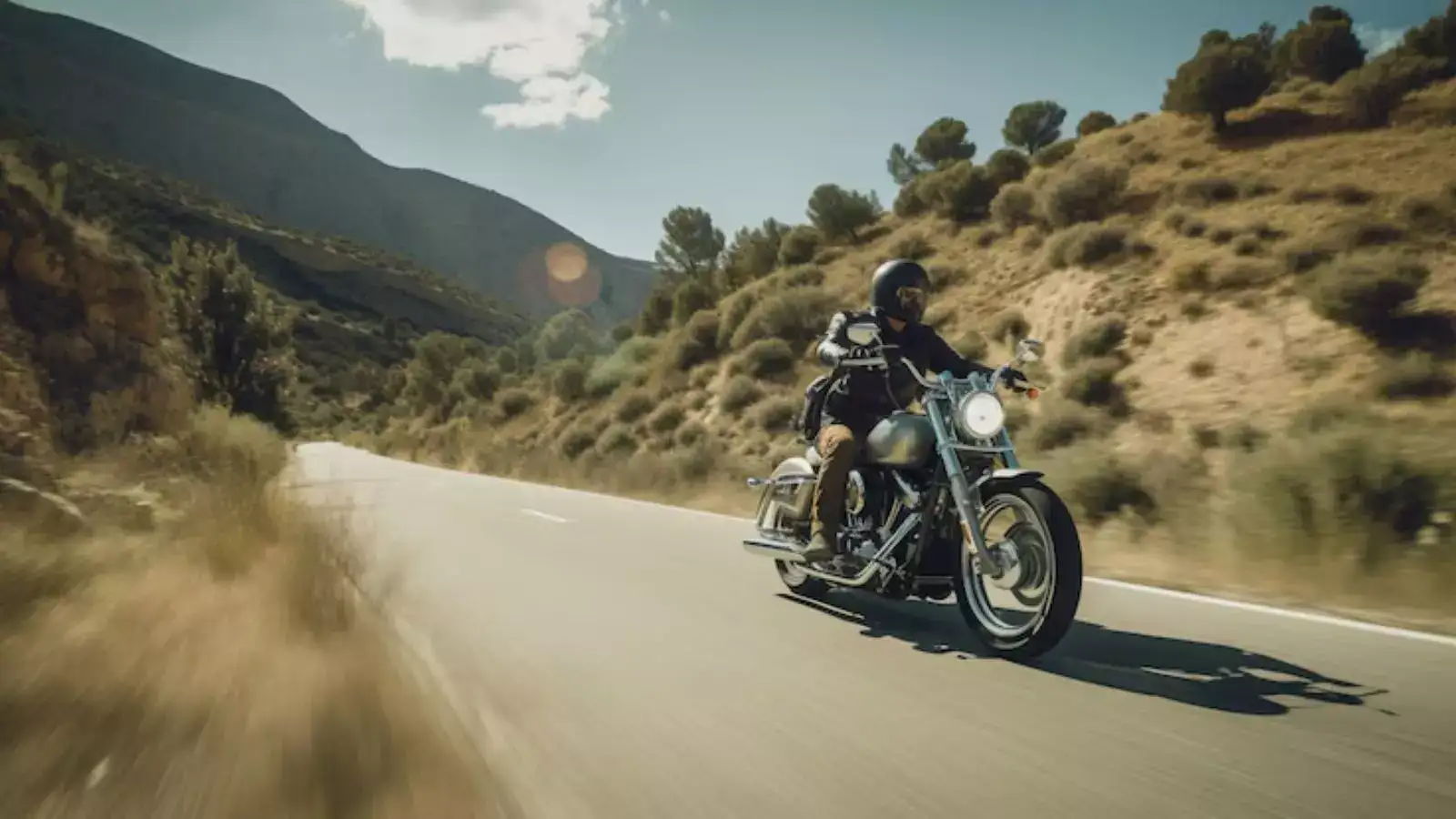
Stay Hydrated
Heat can quickly lead to dehydration, especially during long rides. Dehydration can make you feel dizzy, tired, and less focused, all of which increase the chances of accidents. Carry a water bottle with you and take small sips regularly to stay hydrated. Avoid sugary or caffeinated drinks, as they can actually dehydrate you. If you’re planning a long ride, take breaks to drink water and cool down.
Wear Light, Breathable Clothing
While safety gear is essential, it’s also important to dress appropriately for the heat. Choose light, breathable, and moisture-wicking clothing to help keep your body cool. Look for gear made from fabrics such as mesh, which allow air to flow through and help wick sweat away from your skin. Consider using a cooling vest or neck band to help regulate body temperature. If you're riding in areas with high sun exposure, use protective gear like UV-blocking gloves, jackets, and pants.
Choose the Right Helmet
A helmet is a must for safety, but in hot weather, it can sometimes feel like more of a burden. To make your ride more comfortable, choose a helmet that is lightweight and well-ventilated. Full-face helmets are safer, but they can trap heat, so ensure that your helmet has adequate ventilation to allow airflow. Some helmets come with removable liners or moisture-wicking pads that help with cooling and sweat absorption.
Use Sunscreen
Your skin can get easily sunburned while riding in the heat, especially since your body is exposed to direct sunlight for prolonged periods. Apply a high-SPF sunscreen to all exposed areas of your skin, including your face, neck, and hands. Remember to reapply every few hours, especially if you're sweating or wiping your face. If you're wearing gloves, make sure they provide adequate protection from the sun, or apply sunscreen to your hands before putting them on.
Avoid Riding During Peak Heat Hours
The hottest part of the day is typically between 11 a.m. and 4 p.m. If you can, try to schedule your rides for early in the morning or later in the evening, when temperatures are lower. During peak heat, the risk of heat exhaustion or heat stroke is higher, and it’s easier to become fatigued. Riding during the cooler hours also reduces the likelihood of traffic, making for a safer and more enjoyable experience.
Take Frequent Breaks
Long rides in the heat can lead to fatigue, which impairs your concentration and reaction times. Make sure to take regular breaks, especially if you’re feeling overheated. Find a shady spot or a rest area where you can cool off, drink water, and let your body recover. A short break every hour or so can help you maintain focus and stay comfortable throughout your ride.
Watch for Signs of Heat Exhaustion
Even with precautions, it's important to know the signs of heat exhaustion so you can take immediate action. Symptoms include heavy sweating, dizziness, nausea, headache, rapid heartbeat, and muscle cramps. If you begin to experience these symptoms, stop riding, find a shaded area, drink fluids, and rest. In severe cases, seek medical help immediately.
Maintain Your Bike Properly
Riding in hot weather can put extra stress on your two-wheeler. Make sure your bike is in good working condition to avoid breakdowns, which can be even more difficult to manage in high temperatures. Check your tires for proper inflation, ensure your oil levels are adequate, and inspect your brakes and other components for any wear and tear. A well-maintained bike is safer and more reliable, especially in challenging conditions.
Be Mindful of Road Conditions
Heat can cause road surfaces to become soft or uneven, increasing the likelihood of accidents. Watch out for potholes, cracks, and loose gravel that may be more pronounced in hot weather. Also, be extra cautious of oil spots on the road, which can become slippery in the heat. Reducing your speed and maintaining a safe distance from other vehicles can help you navigate these conditions more effectively.
Stay Alert to Your Surroundings
In hot weather, both you and other drivers are more likely to experience fatigue and distraction. Stay alert and keep an eye out for potential hazards. Keep a safe distance from vehicles and other riders, and be prepared for unexpected maneuvers, as people might be less focused on the road due to the heat. Keep your attention sharp and avoid distractions to ensure that you can react quickly if necessary.
Riding a two-wheeler in hot weather requires extra caution, but with the right precautions, it can still be a safe and enjoyable experience. Stay hydrated, dress appropriately, and take care of both yourself and your bike to make sure your ride is as smooth as possible. By staying aware of the risks and using common sense, you can avoid heat-related issues and focus on the thrill of the ride, no matter how hot the weather gets.
Stay Hydrated
Heat can quickly lead to dehydration, especially during long rides. Dehydration can make you feel dizzy, tired, and less focused, all of which increase the chances of accidents. Carry a water bottle with you and take small sips regularly to stay hydrated. Avoid sugary or caffeinated drinks, as they can actually dehydrate you. If you’re planning a long ride, take breaks to drink water and cool down.
Wear Light, Breathable Clothing
While safety gear is essential, it’s also important to dress appropriately for the heat. Choose light, breathable, and moisture-wicking clothing to help keep your body cool. Look for gear made from fabrics such as mesh, which allow air to flow through and help wick sweat away from your skin. Consider using a cooling vest or neck band to help regulate body temperature. If you're riding in areas with high sun exposure, use protective gear like UV-blocking gloves, jackets, and pants.
Choose the Right Helmet
A helmet is a must for safety, but in hot weather, it can sometimes feel like more of a burden. To make your ride more comfortable, choose a helmet that is lightweight and well-ventilated. Full-face helmets are safer, but they can trap heat, so ensure that your helmet has adequate ventilation to allow airflow. Some helmets come with removable liners or moisture-wicking pads that help with cooling and sweat absorption.
Use Sunscreen
Your skin can get easily sunburned while riding in the heat, especially since your body is exposed to direct sunlight for prolonged periods. Apply a high-SPF sunscreen to all exposed areas of your skin, including your face, neck, and hands. Remember to reapply every few hours, especially if you're sweating or wiping your face. If you're wearing gloves, make sure they provide adequate protection from the sun, or apply sunscreen to your hands before putting them on.
Avoid Riding During Peak Heat Hours
The hottest part of the day is typically between 11 a.m. and 4 p.m. If you can, try to schedule your rides for early in the morning or later in the evening, when temperatures are lower. During peak heat, the risk of heat exhaustion or heat stroke is higher, and it’s easier to become fatigued. Riding during the cooler hours also reduces the likelihood of traffic, making for a safer and more enjoyable experience.
Take Frequent Breaks
Long rides in the heat can lead to fatigue, which impairs your concentration and reaction times. Make sure to take regular breaks, especially if you’re feeling overheated. Find a shady spot or a rest area where you can cool off, drink water, and let your body recover. A short break every hour or so can help you maintain focus and stay comfortable throughout your ride.
Watch for Signs of Heat Exhaustion
Even with precautions, it's important to know the signs of heat exhaustion so you can take immediate action. Symptoms include heavy sweating, dizziness, nausea, headache, rapid heartbeat, and muscle cramps. If you begin to experience these symptoms, stop riding, find a shaded area, drink fluids, and rest. In severe cases, seek medical help immediately.
Maintain Your Bike Properly
Riding in hot weather can put extra stress on your two-wheeler. Make sure your bike is in good working condition to avoid breakdowns, which can be even more difficult to manage in high temperatures. Check your tires for proper inflation, ensure your oil levels are adequate, and inspect your brakes and other components for any wear and tear. A well-maintained bike is safer and more reliable, especially in challenging conditions.
Be Mindful of Road Conditions
Heat can cause road surfaces to become soft or uneven, increasing the likelihood of accidents. Watch out for potholes, cracks, and loose gravel that may be more pronounced in hot weather. Also, be extra cautious of oil spots on the road, which can become slippery in the heat. Reducing your speed and maintaining a safe distance from other vehicles can help you navigate these conditions more effectively.
Stay Alert to Your Surroundings
In hot weather, both you and other drivers are more likely to experience fatigue and distraction. Stay alert and keep an eye out for potential hazards. Keep a safe distance from vehicles and other riders, and be prepared for unexpected maneuvers, as people might be less focused on the road due to the heat. Keep your attention sharp and avoid distractions to ensure that you can react quickly if necessary.
Riding a two-wheeler in hot weather requires extra caution, but with the right precautions, it can still be a safe and enjoyable experience. Stay hydrated, dress appropriately, and take care of both yourself and your bike to make sure your ride is as smooth as possible. By staying aware of the risks and using common sense, you can avoid heat-related issues and focus on the thrill of the ride, no matter how hot the weather gets.
Next Story