
Hyundai's Hydrogen SUV Begins Two-year Trial Run With IndianOil

India has taken a notable step towards alternative fuel innovation with a new partnership aimed at exploring hydrogen-powered mobility. A hydrogen fuel cell SUV will now be tested extensively on Indian roads over the next two years to evaluate its practicality, durability, and cost-effectiveness. This initiative reflects a growing interest in cleaner energy technologies as the country continues to explore sustainable mobility solutions. The long-term results could help shape future policies and public adoption of hydrogen-powered vehicles across India.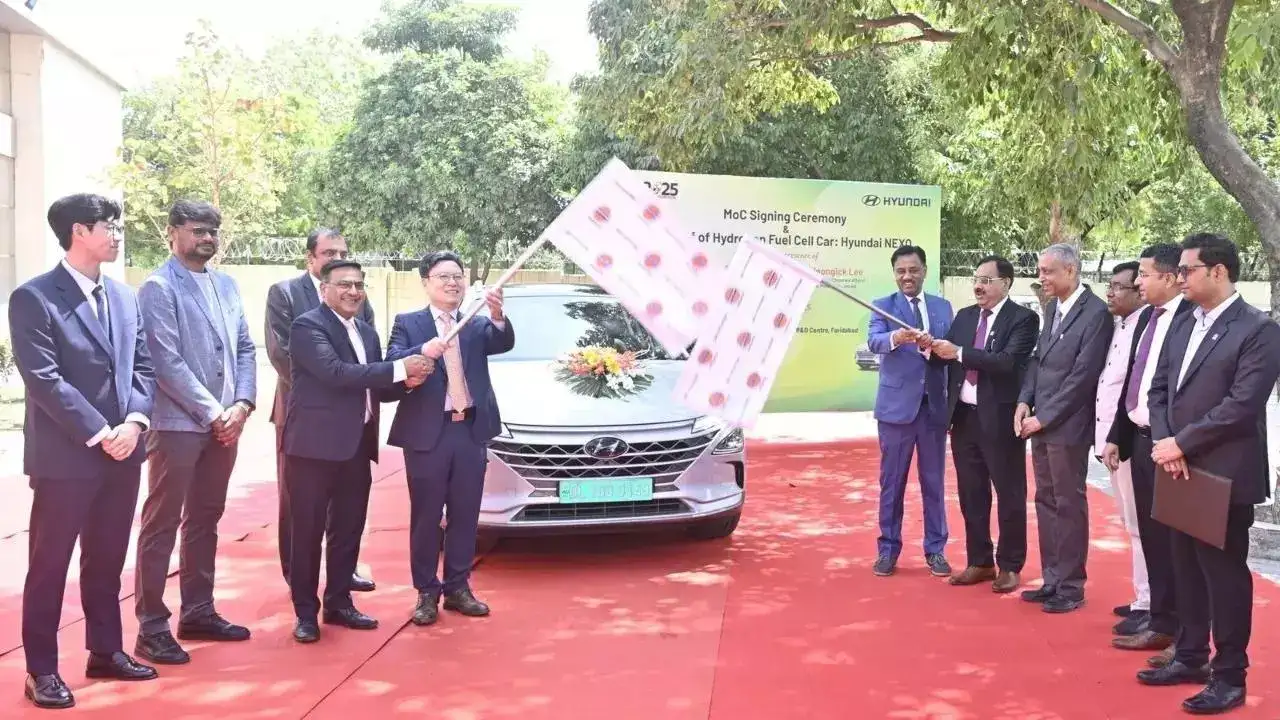
Hydrogen Mobility Pilot Begins in India
In a move to accelerate the development of hydrogen fuel cell technology for the Indian market, a hydrogen-powered SUV is set to undergo real-world testing over a 40,000 km run. The vehicle, equipped with an advanced hydrogen fuel cell system, will be put through its paces in diverse Indian road conditions to assess its long-term feasibility and operational resilience.
The pilot programme is being carried out in collaboration between a leading automobile manufacturer and a major public-sector energy provider. One unit of the hydrogen SUV has been handed over for this trial, marking the beginning of a comprehensive study aimed at bringing hydrogen-powered personal mobility closer to reality.
Detailed Performance and Cost Evaluation
Over the course of the two-year test, experts will closely monitor the SUV’s performance metrics, including its acceleration, handling, range efficiency, and maintenance needs. Additionally, a Total Cost of Ownership (TCO) study will be conducted to evaluate real-world running costs. This part of the study aims to simulate the experience of a regular vehicle owner to determine how economically viable hydrogen mobility would be for the average consumer.
The analysis is expected to offer insights into fuel efficiency, service intervals, and long-term reliability — all crucial factors in determining whether hydrogen-powered vehicles can emerge as a mainstream option in India's rapidly evolving automobile landscape.
Key Technical Highlights of the SUV
The test vehicle is a hydrogen fuel cell electric SUV featuring a 2.64 kWh battery that works alongside a hydrogen-powered system generating up to 147 hp. It also includes an electric motor that produces 201 hp, propelling the SUV from 0 to 100 kmph in just under eight seconds. The model comes with a hydrogen storage capacity of 6.69 kg, offering an impressive driving range of over 700 km on a single refill.
This performance places the vehicle in a competitive spot among existing electric and hybrid options, especially for consumers looking for zero-emission alternatives without range anxiety.
Significance for India’s Green Transport Future
The results from this testing phase will likely contribute to policymaking and infrastructure planning, particularly in the area of clean mobility. With increasing concerns around emissions and fuel dependence, hydrogen-powered vehicles could serve as a viable option to bridge the gap between conventional internal combustion engines and fully battery-electric vehicles.
India's broader shift towards sustainable transport solutions has already seen government-backed support for electric vehicles, ethanol-based fuel systems, and compressed natural gas. The current hydrogen project could potentially expand the portfolio of green options available to both private buyers and public fleets.
What Comes Next?
If the hydrogen SUV performs well in real-world conditions and demonstrates cost-efficiency, it could pave the way for future models and additional collaborations between automotive and energy companies. Moreover, the success of this project may also trigger investment in hydrogen fuelling infrastructure — a critical piece in enabling widespread adoption.
As India looks to cut emissions and reduce its reliance on traditional fossil fuels, hydrogen mobility may well become a vital part of the national transport ecosystem. This test run stands as a crucial first step in proving the viability of fuel cell technology on Indian roads.
Hydrogen Mobility Pilot Begins in India
In a move to accelerate the development of hydrogen fuel cell technology for the Indian market, a hydrogen-powered SUV is set to undergo real-world testing over a 40,000 km run. The vehicle, equipped with an advanced hydrogen fuel cell system, will be put through its paces in diverse Indian road conditions to assess its long-term feasibility and operational resilience.
The pilot programme is being carried out in collaboration between a leading automobile manufacturer and a major public-sector energy provider. One unit of the hydrogen SUV has been handed over for this trial, marking the beginning of a comprehensive study aimed at bringing hydrogen-powered personal mobility closer to reality.
Detailed Performance and Cost Evaluation
Over the course of the two-year test, experts will closely monitor the SUV’s performance metrics, including its acceleration, handling, range efficiency, and maintenance needs. Additionally, a Total Cost of Ownership (TCO) study will be conducted to evaluate real-world running costs. This part of the study aims to simulate the experience of a regular vehicle owner to determine how economically viable hydrogen mobility would be for the average consumer.
The analysis is expected to offer insights into fuel efficiency, service intervals, and long-term reliability — all crucial factors in determining whether hydrogen-powered vehicles can emerge as a mainstream option in India's rapidly evolving automobile landscape.
Key Technical Highlights of the SUV
The test vehicle is a hydrogen fuel cell electric SUV featuring a 2.64 kWh battery that works alongside a hydrogen-powered system generating up to 147 hp. It also includes an electric motor that produces 201 hp, propelling the SUV from 0 to 100 kmph in just under eight seconds. The model comes with a hydrogen storage capacity of 6.69 kg, offering an impressive driving range of over 700 km on a single refill.
This performance places the vehicle in a competitive spot among existing electric and hybrid options, especially for consumers looking for zero-emission alternatives without range anxiety.
Significance for India’s Green Transport Future
The results from this testing phase will likely contribute to policymaking and infrastructure planning, particularly in the area of clean mobility. With increasing concerns around emissions and fuel dependence, hydrogen-powered vehicles could serve as a viable option to bridge the gap between conventional internal combustion engines and fully battery-electric vehicles.
India's broader shift towards sustainable transport solutions has already seen government-backed support for electric vehicles, ethanol-based fuel systems, and compressed natural gas. The current hydrogen project could potentially expand the portfolio of green options available to both private buyers and public fleets.
What Comes Next?
If the hydrogen SUV performs well in real-world conditions and demonstrates cost-efficiency, it could pave the way for future models and additional collaborations between automotive and energy companies. Moreover, the success of this project may also trigger investment in hydrogen fuelling infrastructure — a critical piece in enabling widespread adoption.
As India looks to cut emissions and reduce its reliance on traditional fossil fuels, hydrogen mobility may well become a vital part of the national transport ecosystem. This test run stands as a crucial first step in proving the viability of fuel cell technology on Indian roads.
Next Story