
India's Auto Retail Sales Rise 4.84% In June, Cross 20 Lakh Units: FADA

India’s automobile retail sector experienced a steady rise in June 2025, with total sales surpassing 20 lakh units across segments. The growth, a 4.84 per cent increase year-on-year, was driven primarily by seasonal factors such as weddings and local festivals, according to the latest data from the Federation of Automobile Dealers Associations (FADA). However, despite the overall positive trend, market conditions remain nuanced, with performance varying across categories and geographies.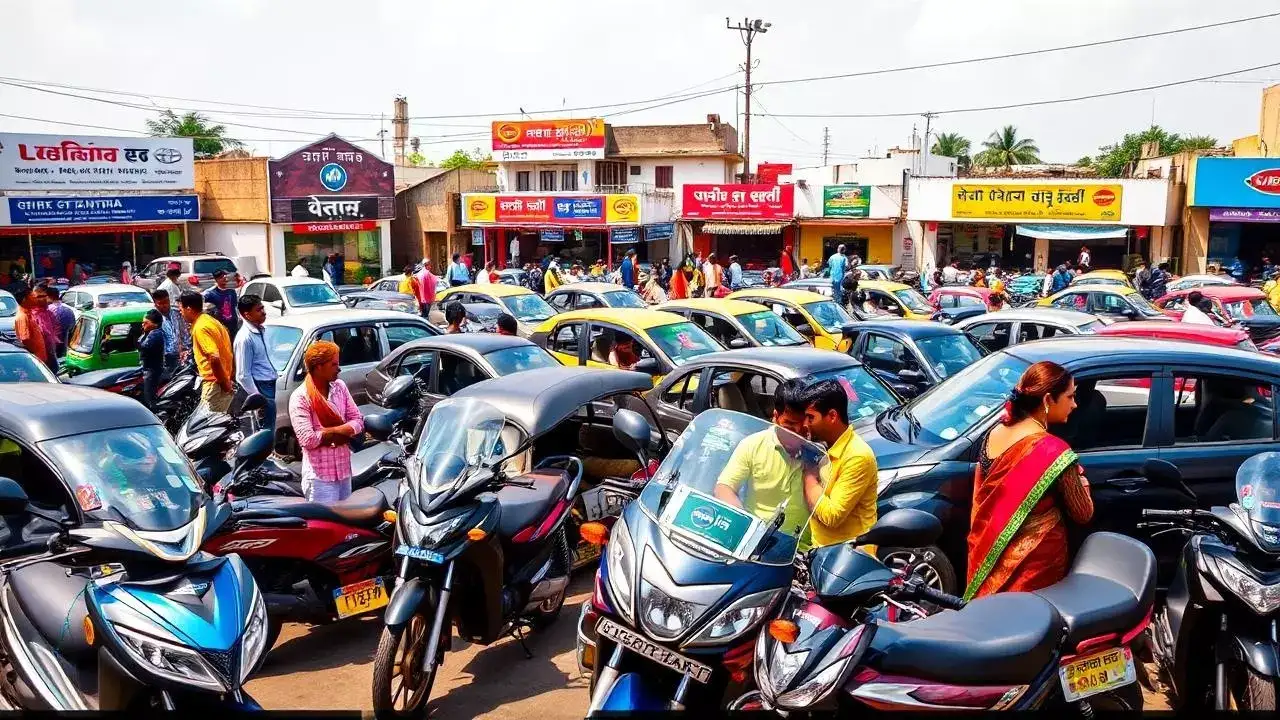
This broad-based improvement points to a resilient market, although analysts believe it has more to do with temporary seasonal demand than any long-term structural shift. The onset of the wedding season and improved rural activity contributed to greater footfalls, especially in smaller towns.
Additionally, some automakers have reportedly introduced stricter wholesale billing procedures, such as automatic invoicing and compulsory billing, to meet internal sales targets. These practices have increased dealer inventory levels to around 55 days, a figure that many in the industry view as unsustainable unless demand picks up sharply during upcoming festivals.
Despite these pressures, ongoing promotional schemes and fresh bookings in select cities provided partial relief.
Dealers noted that recent policy changes, including new taxation rules and mandatory installation of air-conditioned cabins in commercial vehicles, have led to higher acquisition costs. Combined with subdued demand from infrastructure projects, these factors have created a challenging environment for the segment. Nonetheless, pending fleet orders and urban logistical requirements have helped cushion the blow.
Dealerships in rural and semi-urban regions reported better performance than their urban counterparts, where footfall remained subdued. Renewed demand from the agricultural sector is expected to provide tailwinds in the weeks ahead, especially if the monsoon remains consistent.
Sentiment among dealers is equally mixed. Around 42.8 per cent of respondents expect a slowdown, while 26.1 per cent anticipate outright de-growth. Only 31.1 per cent predict expansion in the coming month. Key concerns include high base effects in passenger vehicles, limited new launches, and subdued infrastructure spending that directly impacts the commercial vehicle segment.
Overall, June's auto retail performance reflected India’s complex and layered consumer landscape—where temporary highs coexist with structural challenges still awaiting resolution.
Segment-Wise Sales Reflect Varied Consumer Sentiment
The sales growth was seen across all major vehicle categories. Two-wheeler sales posted a 4.73 per cent increase, while three-wheelers rose by 6.68 per cent. Passenger vehicles saw a more muted improvement at 2.45 per cent, while commercial vehicles and tractors witnessed notable expansions of 6.6 per cent and 8.68 per cent respectively. Construction equipment stood out with an impressive 54.95 per cent surge.This broad-based improvement points to a resilient market, although analysts believe it has more to do with temporary seasonal demand than any long-term structural shift. The onset of the wedding season and improved rural activity contributed to greater footfalls, especially in smaller towns.
Passenger Vehicle Segment Faces Inventory and Liquidity Pressures
The passenger vehicle segment, while recording modest year-on-year growth, struggled on a month-on-month basis, posting a 1.49 per cent decline. According to industry observers, heavy rainfall across several regions and tight liquidity conditions led to reduced showroom traffic and lower conversion rates.Additionally, some automakers have reportedly introduced stricter wholesale billing procedures, such as automatic invoicing and compulsory billing, to meet internal sales targets. These practices have increased dealer inventory levels to around 55 days, a figure that many in the industry view as unsustainable unless demand picks up sharply during upcoming festivals.
Despite these pressures, ongoing promotional schemes and fresh bookings in select cities provided partial relief.
Commercial Vehicles Show Strength Despite New Cost Challenges
The commercial vehicle market continued to show resilience, with a 6.6 per cent rise year-on-year, even as it declined nearly 3 per cent from May. Deliveries at the beginning of June helped lift numbers early in the month before the arrival of monsoon rains and waning liquidity impacted buyer activity.Dealers noted that recent policy changes, including new taxation rules and mandatory installation of air-conditioned cabins in commercial vehicles, have led to higher acquisition costs. Combined with subdued demand from infrastructure projects, these factors have created a challenging environment for the segment. Nonetheless, pending fleet orders and urban logistical requirements have helped cushion the blow.
Two-Wheelers Benefit from Early Monsoon But Face Supply Constraints
In the two-wheeler segment, early rains and rising rural activity initially spurred fresh interest. However, a combination of vehicle variety shortages, anticipated price hikes from July, and excessive rainfall in key agricultural belts have held back actual conversions.Dealerships in rural and semi-urban regions reported better performance than their urban counterparts, where footfall remained subdued. Renewed demand from the agricultural sector is expected to provide tailwinds in the weeks ahead, especially if the monsoon remains consistent.
Dealer Confidence Mixed As Market Outlook Remains Cautious
FADA’s outlook for July remains cautious. While positive agricultural trends and school reopenings may support continued momentum, the association warns that high vehicle prices, credit tightening, and seasonal disruptions could limit overall gains.Sentiment among dealers is equally mixed. Around 42.8 per cent of respondents expect a slowdown, while 26.1 per cent anticipate outright de-growth. Only 31.1 per cent predict expansion in the coming month. Key concerns include high base effects in passenger vehicles, limited new launches, and subdued infrastructure spending that directly impacts the commercial vehicle segment.
Looking Ahead: Rural Demand and Government Spending Hold the Key
FADA has emphasised the importance of staying agile amid a volatile environment. The association believes rural demand, coupled with increased government capital expenditure, will be essential in sustaining the momentum. However, ongoing issues such as monsoon unpredictability, vehicle availability, and liquidity will continue to shape short-term dynamics.Overall, June's auto retail performance reflected India’s complex and layered consumer landscape—where temporary highs coexist with structural challenges still awaiting resolution.
Next Story