
Is Your Car Battery Failing? How to Spot the Signs Early

A car battery is the heart of your vehicle’s electrical system. Without it, your engine won’t start, and essential electronics may fail. Most modern batteries last between three and five years, but driving habits, weather conditions, and high electrical demands can shorten their life. Recognizing the warning signs early can save you from being stranded on the road and prevent further damage to your car.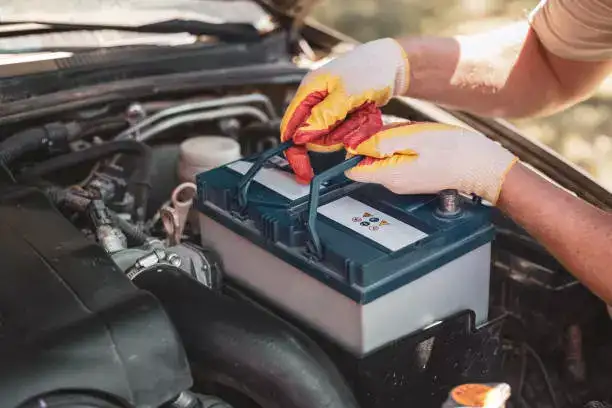
1. Slow Engine Crank or Difficult Starts
One of the first signs of a weakening battery is a slow or sluggish engine start. If your car takes longer than usual to start after turning the ignition, it may indicate that the battery cannot provide enough power to the starter motor. Requiring repeated jump-starts or experiencing inconsistent starting is another red flag. While starter motor problems can produce similar symptoms, checking the battery condition is usually the first step technicians recommend.
2. Electrical Issues and Flickering Lights
A failing battery can cause dim headlights, flickering cabin lights, or slow-moving power windows. Modern cars rely heavily on electronics, including infotainment systems, digital displays, and driver-assistance features. Even small drops in voltage can affect performance, so don’t ignore these subtle signs.
3. Dashboard Warning Lights
Most vehicles have a battery warning light on the dashboard. If this light illuminates, it could point to a problem with the battery or alternator. It’s important to have your car inspected as soon as possible to identify the root cause and prevent a total breakdown.
4. Corrosion or Swollen Battery Terminals
Corrosion around battery terminals can reduce electrical contact and affect performance. While cleaning terminals can help temporarily, recurring buildup is a sign of an aging battery. Extreme heat can also damage batteries, causing the casing to swell or even crack. A swollen or damaged battery should be replaced immediately to avoid safety risks.
5. Unusual Odors or Acid Leaks
A rotten-egg smell is usually a warning of sulphuric acid leakage. Leaks not only reduce battery efficiency but also pose a risk to surrounding engine components. If you notice any unusual smells, replacing the battery immediately is the safest option.
6. Age and Preventive Checks
Even if there are no obvious problems, age matters. Manufacturers recommend testing batteries after three years. Checking the production date printed on the battery can help you plan preventive replacement, especially before extreme seasonal conditions like the summer heat or winter cold.
7. Preventive Maintenance Tips
Routine servicing, including voltage checks and cleaning of terminals, can help detect declining performance early. Timely replacement protects your car’s starting system and reduces strain on the alternator and other electrical components. Staying proactive can save you from sudden breakdowns and expensive repairs.
A failing car battery doesn’t always show dramatic signs at first. Slow starts, flickering lights, warning lights, corrosion, and unusual smells are all signals that your battery might need attention. Regular checks and timely replacement not only ensure your car starts reliably but also protect other vital components. Watch for these signs, and your car will reward you with smooth, worry-free performance.
1. Slow Engine Crank or Difficult Starts
One of the first signs of a weakening battery is a slow or sluggish engine start. If your car takes longer than usual to start after turning the ignition, it may indicate that the battery cannot provide enough power to the starter motor. Requiring repeated jump-starts or experiencing inconsistent starting is another red flag. While starter motor problems can produce similar symptoms, checking the battery condition is usually the first step technicians recommend. 2. Electrical Issues and Flickering Lights
A failing battery can cause dim headlights, flickering cabin lights, or slow-moving power windows. Modern cars rely heavily on electronics, including infotainment systems, digital displays, and driver-assistance features. Even small drops in voltage can affect performance, so don’t ignore these subtle signs.You may also like
- How Many Made-in-India Cars Are Exported to the Middle East? Here's How the War Could Impact It
- Car Tips: These Car Parts Are Most Vulnerable in Summer—Don't Ignore Them
- Mahindra Launches Special Edition Electric SUV, Set to Take On Chinese BYD
- Tata Electric Cars : From the Tiago to the luxury Avinya, these 3 Tata electric cars will be launched in 2026
- Petrol–Diesel Under Pressure! These Were India's Best-Selling Electric Cars in January 2026
3. Dashboard Warning Lights
Most vehicles have a battery warning light on the dashboard. If this light illuminates, it could point to a problem with the battery or alternator. It’s important to have your car inspected as soon as possible to identify the root cause and prevent a total breakdown. 4. Corrosion or Swollen Battery Terminals
Corrosion around battery terminals can reduce electrical contact and affect performance. While cleaning terminals can help temporarily, recurring buildup is a sign of an aging battery. Extreme heat can also damage batteries, causing the casing to swell or even crack. A swollen or damaged battery should be replaced immediately to avoid safety risks.5. Unusual Odors or Acid Leaks
A rotten-egg smell is usually a warning of sulphuric acid leakage. Leaks not only reduce battery efficiency but also pose a risk to surrounding engine components. If you notice any unusual smells, replacing the battery immediately is the safest option. 6. Age and Preventive Checks
Even if there are no obvious problems, age matters. Manufacturers recommend testing batteries after three years. Checking the production date printed on the battery can help you plan preventive replacement, especially before extreme seasonal conditions like the summer heat or winter cold. 7. Preventive Maintenance Tips
Routine servicing, including voltage checks and cleaning of terminals, can help detect declining performance early. Timely replacement protects your car’s starting system and reduces strain on the alternator and other electrical components. Staying proactive can save you from sudden breakdowns and expensive repairs. A failing car battery doesn’t always show dramatic signs at first. Slow starts, flickering lights, warning lights, corrosion, and unusual smells are all signals that your battery might need attention. Regular checks and timely replacement not only ensure your car starts reliably but also protect other vital components. Watch for these signs, and your car will reward you with smooth, worry-free performance.






More from our partners


Loving Newspoint? Download the app now
