
Manual Vs Automatic Cars: How To Choose The Right Transmission For Your Driving Needs

Choosing a car involves more than comparing its engine, design and features. The transmission can significantly influence how the vehicle feels and behaves on the road. The two most familiar choices are manual and automatic transmissions, each offering a different driving experience. A manual gearbox requires the driver to operate the clutch and select gears, while an automatic system changes gears with limited driver input. For someone spending long hours in city traffic, convenience may be a priority, whereas another driver may prefer the greater involvement offered by a manual. Understanding these differences can make the decision between manual vs automatic cars much easier.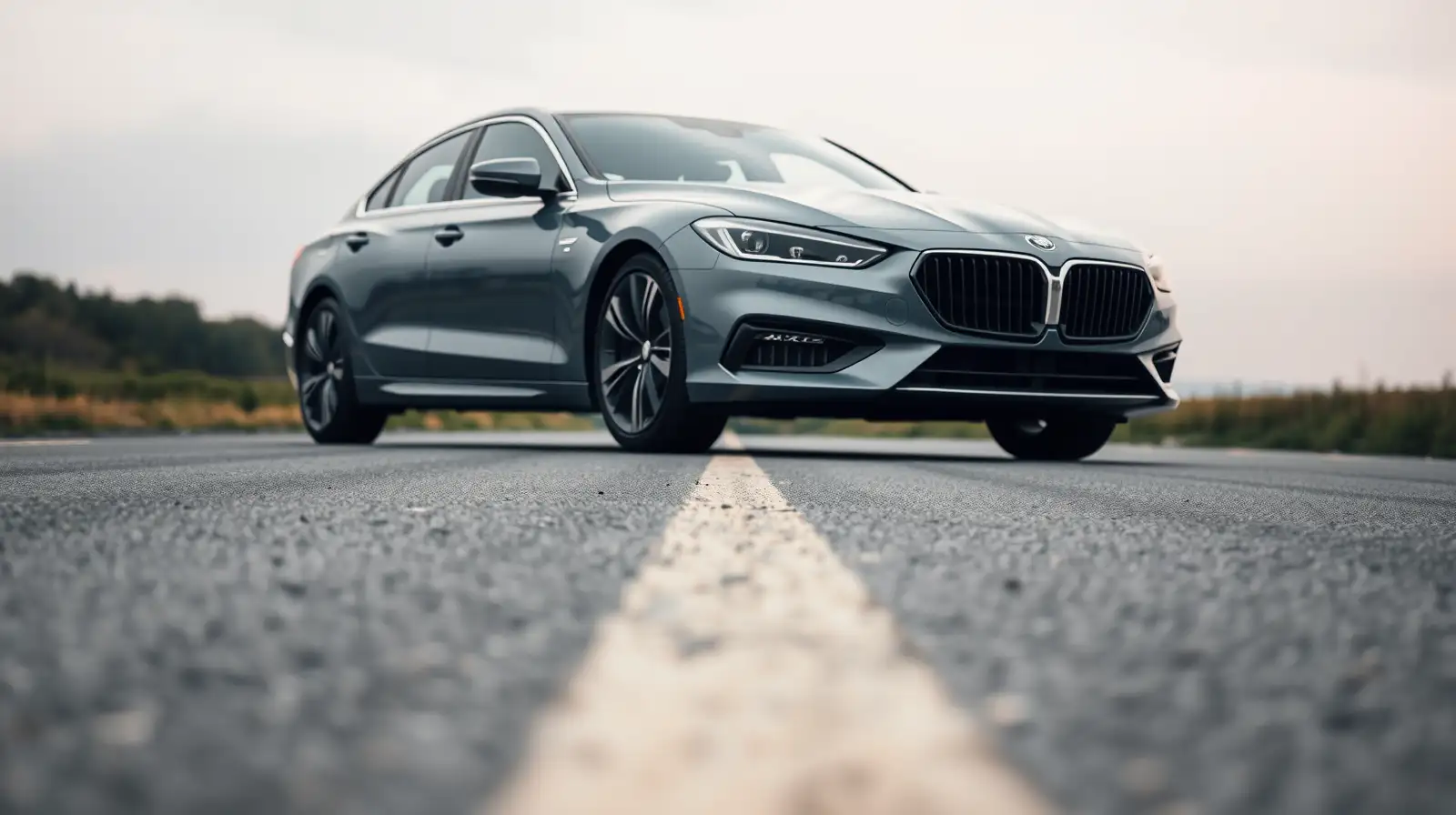
Manual cars can also appeal to drivers who enjoy having greater control over engine speed and acceleration. However, frequent clutch operation can become tiring in heavy traffic, particularly during long commutes.
The biggest attraction for many drivers is convenience. In congested urban traffic, the ability to focus on steering, braking and road conditions without repeatedly changing gears can make driving less tiring. This is one reason automatics have become increasingly common in many markets.
Maintenance requirements can also vary according to the specific transmission technology and vehicle. Manuals may have clutch components that eventually require replacement, while automatic systems can involve more complex components and specialised servicing.
When comparing a manual or automatic car , consider your typical journey, traffic conditions, driving comfort, purchase budget and expected maintenance costs. A test drive can also reveal which system feels more natural before making the final decision.
How Manual Transmission Works
A manual transmission requires the driver to use a clutch pedal and gear lever to select the appropriate gear. This gives the driver direct control over gear changes and can make the driving experience feel more engaging.Manual cars can also appeal to drivers who enjoy having greater control over engine speed and acceleration. However, frequent clutch operation can become tiring in heavy traffic, particularly during long commutes.
Why Choose An Automatic?
Automatic transmission systems change gears without requiring the driver to operate a clutch pedal manually. Depending on the vehicle, different automatic technologies can provide distinct driving characteristics.The biggest attraction for many drivers is convenience. In congested urban traffic, the ability to focus on steering, braking and road conditions without repeatedly changing gears can make driving less tiring. This is one reason automatics have become increasingly common in many markets.
Comparing Fuel Efficiency And Maintenance
Fuel efficiency depends on several factors, including the engine, vehicle weight, driving style and type of transmission. Modern automatic systems can be highly efficient, so it is not accurate to assume that every manual car will use less fuel.Maintenance requirements can also vary according to the specific transmission technology and vehicle. Manuals may have clutch components that eventually require replacement, while automatic systems can involve more complex components and specialised servicing.
Which One Should You Choose?
The right transmission depends largely on how and where you drive. A manual may suit drivers who value direct control and an involved driving experience. An automatic can be practical for people who regularly deal with busy city roads and want greater convenience.When comparing a manual or automatic car , consider your typical journey, traffic conditions, driving comfort, purchase budget and expected maintenance costs. A test drive can also reveal which system feels more natural before making the final decision.
Next Story