
Maruti Baleno Facelift 2026 Launch on September 5: Expected Changes, Features and Hybrid Tech

Maruti Suzuki is preparing to give its popular premium hatchback a major update. The Baleno facelift is expected to arrive in India on September 5, 2026, bringing changes across its exterior, cabin and powertrain.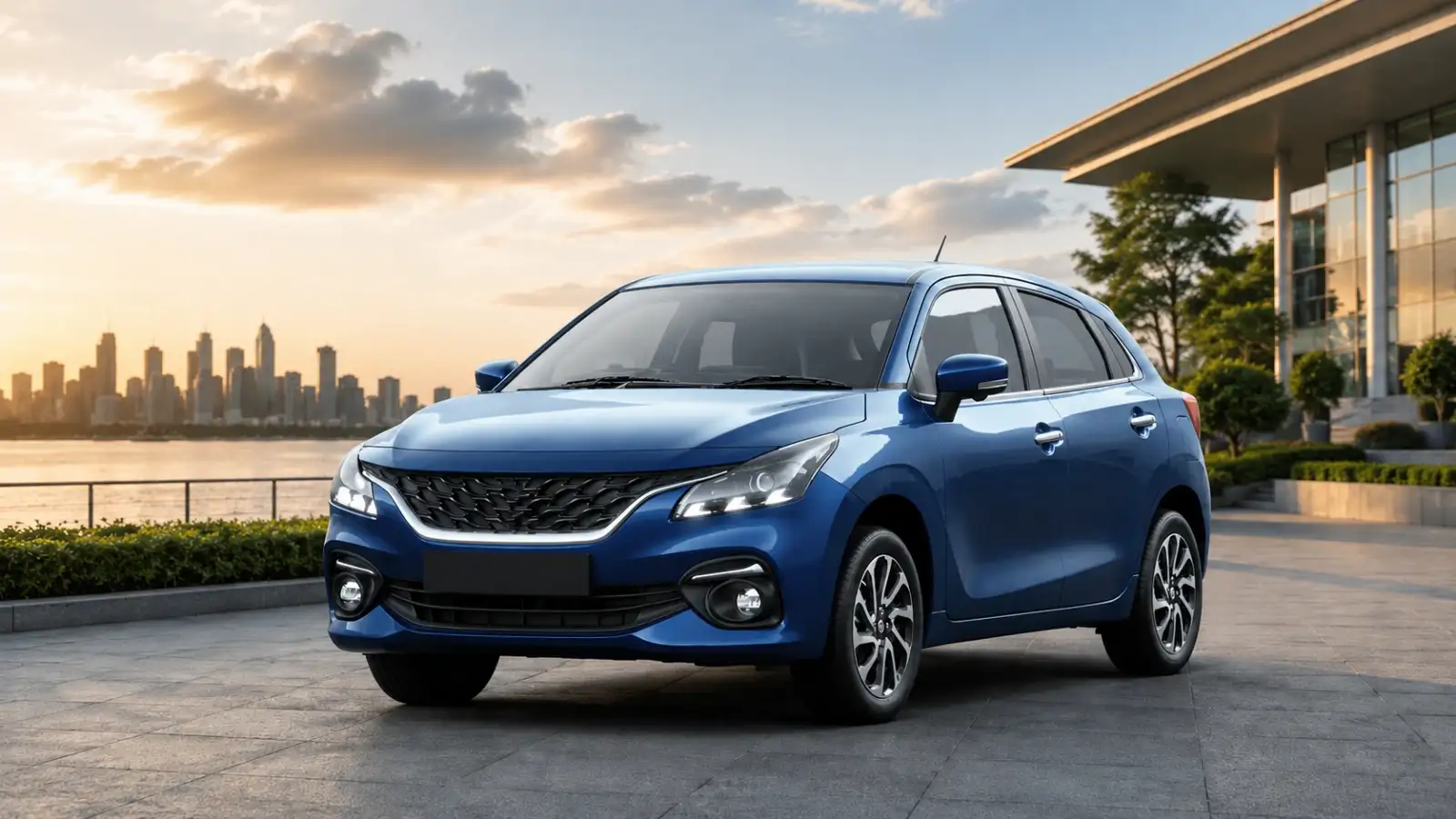
The updated model has already been spotted testing on public roads, although the test vehicles have been heavily camouflaged. While the overall shape is expected to remain familiar, the spy shots suggest that Maruti Suzuki could introduce several styling changes and add more technology to the hatchback.
The possibility of a new hybrid powertrain could also make the upcoming Baleno facelift particularly interesting.
At the front, the test vehicle indicates a wider grille that could give the Baleno a broader stance. The grille is expected to be accompanied by a redesigned set of headlights, adding a fresh look to the front fascia.
The bumper is also likely to receive changes, although the exact design remains hidden under camouflage.
From the side, the overall silhouette appears largely unchanged. The doors, roofline and general proportions are expected to continue with the current design. One of the most noticeable changes could be a new alloy wheel design.
At the rear, the tailgate appears to retain its existing shape, but the taillights are expected to receive a new design. These updates could give the Baleno a more contemporary appearance without significantly changing its familiar profile.
The company could introduce new interior colour themes and updated upholstery materials to give the cabin a fresher feel. A larger infotainment screen is also expected to be part of the facelift, bringing the Baleno in line with newer Maruti Suzuki models.
Comfort could receive more attention as well. Ventilated seats are expected to be offered, along with additional comfort-focused equipment.
One of the biggest potential upgrades could be the introduction of Level 2 ADAS. The Fronx facelift has been spotted testing with an ADAS setup, raising expectations that similar technology could eventually make its way to the Baleno facelift.
If introduced, Level 2 ADAS could add features such as driver assistance and enhanced safety technology, making the Baleno more competitive in the premium hatchback segment.
However, the exact feature list and availability across variants are yet to be confirmed.
The company is expected to explore a hybrid powertrain for the updated hatchback. The setup could combine a 1.2-litre petrol engine with a battery-powered electric motor.
The hybrid system is expected to focus primarily on improving fuel efficiency rather than delivering a major increase in performance. This could make the Baleno more attractive to buyers who want lower running costs without switching completely to an electric vehicle.
The exact power and torque figures of the potential hybrid system have not been revealed yet. It is also unclear whether the existing petrol powertrain will continue alongside the hybrid setup.
The exterior updates are expected to remain evolutionary rather than completely changing the car's identity. Inside, a larger screen, new upholstery, ventilated seats and potentially Level 2 ADAS could make the cabin more modern and feature-rich.
The biggest talking point, however, could be the potential hybrid engine. If Maruti Suzuki introduces a 1.2-litre petrol-electric setup, improved fuel efficiency could become one of the facelift's key selling points.
With the expected launch scheduled for September 5, 2026, more details about the new Baleno are likely to emerge as Maruti Suzuki moves closer to its official introduction.
The updated model has already been spotted testing on public roads, although the test vehicles have been heavily camouflaged. While the overall shape is expected to remain familiar, the spy shots suggest that Maruti Suzuki could introduce several styling changes and add more technology to the hatchback.
The possibility of a new hybrid powertrain could also make the upcoming Baleno facelift particularly interesting.
2026 Maruti Baleno Facelift: Expected Exterior Design
The Baleno facelift is not expected to receive a completely new body design. Instead, Maruti Suzuki appears to be focusing on giving the premium hatchback a sharper and more modern appearance.At the front, the test vehicle indicates a wider grille that could give the Baleno a broader stance. The grille is expected to be accompanied by a redesigned set of headlights, adding a fresh look to the front fascia.
The bumper is also likely to receive changes, although the exact design remains hidden under camouflage.
From the side, the overall silhouette appears largely unchanged. The doors, roofline and general proportions are expected to continue with the current design. One of the most noticeable changes could be a new alloy wheel design.
At the rear, the tailgate appears to retain its existing shape, but the taillights are expected to receive a new design. These updates could give the Baleno a more contemporary appearance without significantly changing its familiar profile.
2026 Maruti Baleno Facelift: Expected Interior and Features
Maruti Suzuki has not yet revealed the interior of the updated Baleno. However, the cabin is expected to retain the basic layout of the current model while receiving several upgrades.The company could introduce new interior colour themes and updated upholstery materials to give the cabin a fresher feel. A larger infotainment screen is also expected to be part of the facelift, bringing the Baleno in line with newer Maruti Suzuki models.
Comfort could receive more attention as well. Ventilated seats are expected to be offered, along with additional comfort-focused equipment.
One of the biggest potential upgrades could be the introduction of Level 2 ADAS. The Fronx facelift has been spotted testing with an ADAS setup, raising expectations that similar technology could eventually make its way to the Baleno facelift.
If introduced, Level 2 ADAS could add features such as driver assistance and enhanced safety technology, making the Baleno more competitive in the premium hatchback segment.
However, the exact feature list and availability across variants are yet to be confirmed.
You may also like
- Bain Capital Eyes ₹2,850 Crore Investment in JBM Auto's EV Business: Here's Why It Matters
- New Maruti Baleno Could Get 5 Major Upgrades: CNG-AMT, Ventilated Seats and More
- Tata Cars to Get Costlier From September 1: Prices May Rise by Up to ₹25,000
- Your Helmet Can Expire Too! Know When It's Time to Replace Your Old Helmet
- Maruti Victoris Gets New Rivals! Hyundai and Kia Prepare Two New SUVs for India
2026 Maruti Baleno Facelift: Expected Powertrain
The mechanical package of the Baleno facelift is expected to remain broadly familiar, but Maruti Suzuki could introduce an important change under the bonnet.The company is expected to explore a hybrid powertrain for the updated hatchback. The setup could combine a 1.2-litre petrol engine with a battery-powered electric motor.
The hybrid system is expected to focus primarily on improving fuel efficiency rather than delivering a major increase in performance. This could make the Baleno more attractive to buyers who want lower running costs without switching completely to an electric vehicle.
The exact power and torque figures of the potential hybrid system have not been revealed yet. It is also unclear whether the existing petrol powertrain will continue alongside the hybrid setup.
2026 Maruti Baleno Facelift: A More Technology-Focused Hatchback
The Baleno has already established itself as one of Maruti Suzuki's important premium hatchbacks, and the facelift could strengthen its position with a combination of styling changes, additional equipment and hybrid technology.The exterior updates are expected to remain evolutionary rather than completely changing the car's identity. Inside, a larger screen, new upholstery, ventilated seats and potentially Level 2 ADAS could make the cabin more modern and feature-rich.
The biggest talking point, however, could be the potential hybrid engine. If Maruti Suzuki introduces a 1.2-litre petrol-electric setup, improved fuel efficiency could become one of the facelift's key selling points.
With the expected launch scheduled for September 5, 2026, more details about the new Baleno are likely to emerge as Maruti Suzuki moves closer to its official introduction.






Loving Newspoint? Download the app now
