
5 Pillion Habits That Help the Rider Stay in Control

Most riders focus on their own technique and forget that the person sitting behind them is, in effect, a moving part of the motorcycle. A pillion who leans the wrong way at the wrong moment shifts the bike's center of gravity. One who grabs the rider's shoulders during braking pushes extra weight forward onto the front wheel and interferes with steering inputs. The habits below are simple to learn and take nothing away from the ride, they simply stop the passenger from working against the machine.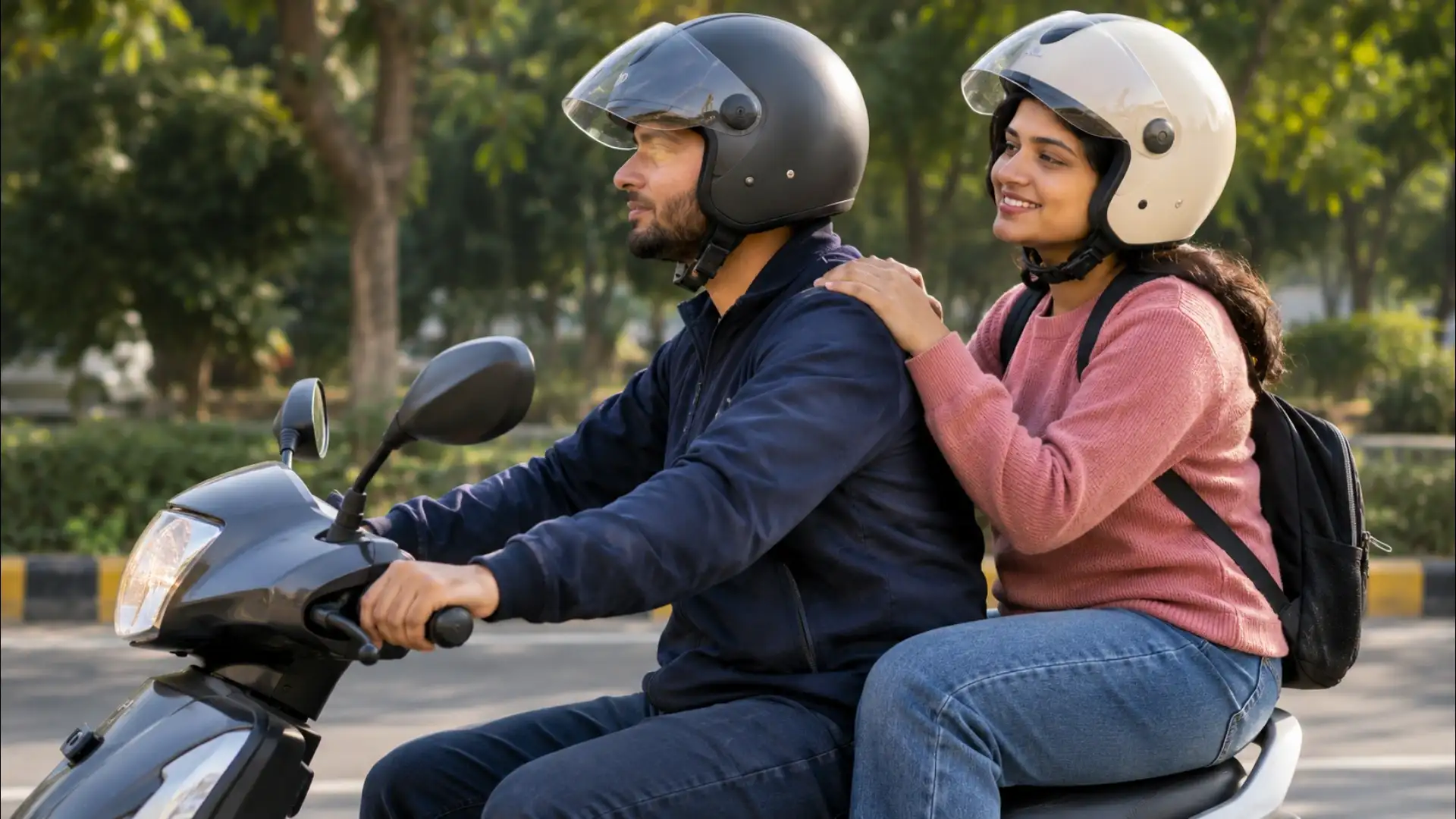
1. Grip the Waist, Grab Rail, or Tank- Not the Rider's Shoulders
The instinct when a pillion feels unsettled is to grab whatever is closest, which is usually the rider's shoulders or arms. This transfers unpredictable forces directly to the person steering. Instead, hold onto the rider's waist or hips, or use the rear grab rail if the motorcycle has one. On sportbikes, placing your hands flat against the fuel tank during braking helps brace your body without loading the rider's back. Keeping your grip low and centered lets the rider steer, brake, and correct the bike without fighting a second pair of hands pulling at the controls.2. Lean With the Bike, Not Against It
When a motorcycle leans into a corner, a pillion's instinct is often to stay upright and level with the horizon. Counter-leaning like this works against the turn the rider is setting up. The right habit is to look over the rider's insideshoulder toward the exit of the turn, let your head and upper body follow the bike's lean angle naturally, and trust the physics. A pillion who fights the lean forces the rider to lean the motorcycle harder than necessary or make mid-corner corrections, eating into ground clearance and safety margins.You may also like
- Forget Diesel SUVs! These 5 Petrol-Hybrid Models Promise Up to 29 km/l Mileage – Check the List
- Once Every Middle-Class Family's Dream, Maruti 800 Wins Global Recognition! Becomes First Indian Car to Receive FIVA Heritage Award
- Electric Cars Become Festive Season Favourites in India! Sales Jump 69% as Petrol and Diesel Vehicles Lose Ground
- Tata Punch's Competition Could Get Tougher! Maruti Suzuki's New Micro SUV Spotted Testing, May Replace Ignis
- India Takes Over the Global Two-Wheeler Market! Hero MotoCorp and TVS Enter World's Top Three, Leave Yamaha Behind
3. Keep Feet on the Pegs Until a Complete Stop
Hard braking transfers weight to the front of the bike. A pillion who slides forward and drops a foot toward the road, or plants feet down before the bike stops, shifts weight suddenly, upsets balance, and risks catching a boot on the moving tarmac. Keep your feet firmly on the passenger pegs until the motorcycle has come to a complete standstill and the rider signals it is safe. The pegs are positioned low on the frame to keep your weight centered and stable when the suspension is under load.4. Mount and Dismount Only When Told
A motorcycle on its side stand is not stable the way a parked car is. When a pillion climbs on before the rider is seated with feet firmly planted, the side stand takes the combined weight at an angle it was not designed to hold, risking a tip-over. The safe sequence is straightforward: the rider sits first with both feet on the ground (or one foot firmly holding the bike upright), gives the verbal go-ahead, and the pillion mounts smoothly, typically from the left side, keeping clear of hot exhaust pipes, rather than dropping heavily onto the seat. Dismounting reverses this order: pillion steps off first while the rider stabilizes the bike.5. Signal the Rider Before You Move
Sudden weight shifts, turning around to look behind, reaching into a pocket, or adjusting a helmet or jacket at speed, happen without warning and immediately register through the handlebars. A quick tap on the rider's hip or a brief word over an intercom before making any noticeable movement gives the rider a split second to anticipate the shift. This matters most at highway speeds and inside corners, where the tires are already using a larger share of their available grip and the rider has less margin to react to an unexpected balance change.





Loving Newspoint? Download the app now
