
Why Do Car Roofs Have Ridges? Real Reasons Behind These Smart Design Features

Why do car roofs have ridges ? It’s a question many people overlook, even though these subtle rectangular patterns are visible on most vehicles. What may seem like a simple styling element actually plays a crucial role in safety, durability, and performance. Modern car design blends engineering with practicality, and these ridges are a perfect example of that balance.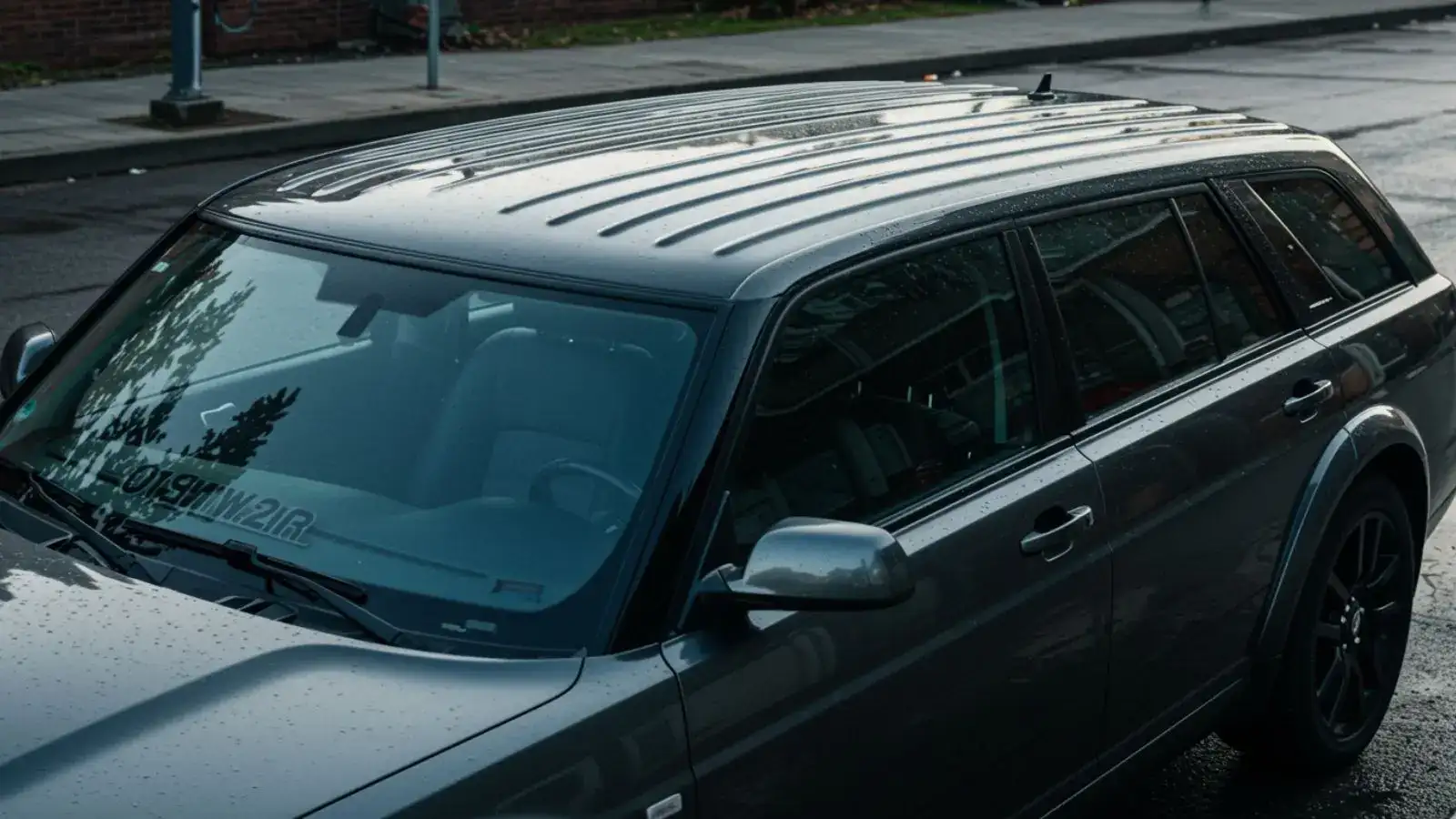
Ridges Improve Structural Strength of the Car
Car roofs are made from metal sheets, and a completely flat surface is more likely to bend or flex under pressure.
In simple terms, these raised patterns act like built-in support beams, helping protect passengers in critical situations.
Helps Keep Cars Lightweight Yet Strong
One of the biggest challenges in automobile engineering is maintaining strength while reducing weight.
Instead of making the roof thicker and heavier, carmakers use ridges as a smarter, more efficient solution.
Ensures Better Water Drainage During Rain
Ridges are also designed to manage water flow effectively.
This small design detail becomes especially useful during heavy rainfall, ensuring a smoother and safer driving experience.
Provides Support for Roof-Mounted Accessories
Modern cars often come with additional features installed on the roof.
Without these reinforcements, carrying items on the roof could compromise the vehicle’s structure.
Adds to the Car’s Overall Design Appeal
While functionality is the primary reason, ridges also enhance the car’s visual appeal.
Automakers often combine engineering with aesthetics, and ridges are a subtle yet effective design touch.
Car roof ridges are far more than just a design choice. They strengthen the vehicle, reduce weight, improve water drainage, and support additional features. The next time you notice these rectangular patterns, remember - they are a smart blend of safety, efficiency, and style, carefully engineered into every modern car.
Ridges Improve Structural Strength of the Car
Car roofs are made from metal sheets, and a completely flat surface is more likely to bend or flex under pressure.
- Ridges add reinforcement to the roof
- They increase rigidity without adding extra material
- This makes the roof stronger during accidents or rollovers
In simple terms, these raised patterns act like built-in support beams, helping protect passengers in critical situations.
Helps Keep Cars Lightweight Yet Strong
One of the biggest challenges in automobile engineering is maintaining strength while reducing weight.
- Ridges allow manufacturers to use thinner metal sheets
- This reduces the overall weight of the car
- A lighter vehicle improves fuel efficiency and performance
Instead of making the roof thicker and heavier, carmakers use ridges as a smarter, more efficient solution.
Ensures Better Water Drainage During Rain
Ridges are also designed to manage water flow effectively.
- They guide rainwater toward the edges of the roof
- Prevent water from pooling on top
- Reduce chances of leakage into the cabin
This small design detail becomes especially useful during heavy rainfall, ensuring a smoother and safer driving experience.
Provides Support for Roof-Mounted Accessories
Modern cars often come with additional features installed on the roof.
- Roof rails, carriers, and luggage racks need a strong base
- Ridges help distribute weight evenly
- They provide extra stability for mounted accessories
Without these reinforcements, carrying items on the roof could compromise the vehicle’s structure.
Adds to the Car’s Overall Design Appeal
While functionality is the primary reason, ridges also enhance the car’s visual appeal.
- They break the monotony of a flat surface
- Add a sense of depth and character
- Contribute to a more dynamic and premium look
Automakers often combine engineering with aesthetics, and ridges are a subtle yet effective design touch.
Car roof ridges are far more than just a design choice. They strengthen the vehicle, reduce weight, improve water drainage, and support additional features. The next time you notice these rectangular patterns, remember - they are a smart blend of safety, efficiency, and style, carefully engineered into every modern car.
Next Story