
Explained: How Language, Fish and Meat Became Political Issues in Bengal

Politics in West Bengal has taken an unusual cultural turn, where language and food have become central to the political narrative. What was once a contest over governance, development and policy has increasingly shifted toward identity, with Bangla language and dietary habits like fish and meat emerging as key talking points.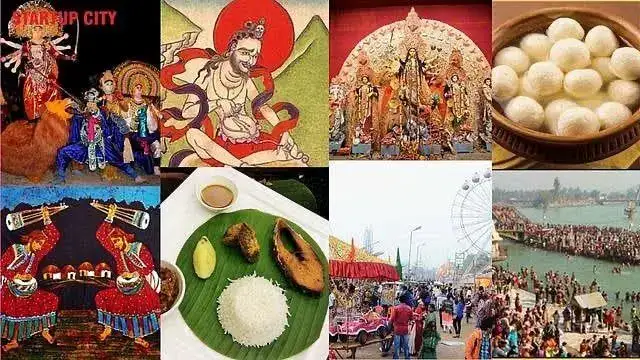
At the heart of this debate is the idea of Bengali identity. Bangla is not just a language in the state but a deeply rooted cultural marker spoken by millions and recognised as one of India’s official languages. Any attempt to question or redefine its identity has triggered strong political reactions, with leaders framing it as an issue of dignity and belonging.
This sensitivity around language is closely tied to a larger concern. Political narratives have increasingly suggested that Bengali identity is under threat, whether through linguistic misrepresentation or broader cultural shifts. As a result, Bangla has become more than a medium of communication. It is now a symbol of regional pride and political mobilisation.
Alongside language, food has emerged as an equally powerful political tool. In Bengal, fish and meat are not merely dietary preferences but integral to everyday life and tradition. The phrase “maach-bhaat” (fish and rice) is often used to describe the essence of being Bengali.
Political messaging has tapped directly into this sentiment. Claims and counterclaims around food habits have been used to influence public perception, with suggestions that certain political outcomes could impact what people eat. This has turned everyday food choices into a matter of political identity and concern.
The debate reflects a broader cultural divide. On one side is the assertion of Bengal’s distinct traditions, where non-vegetarian food is widely accepted across communities. On the other is the perception, promoted by some political narratives, of a more homogenised cultural model that may not align with Bengal’s long-standing practices.
This is why food has become a symbolic battleground. It represents not just lifestyle, but autonomy over cultural practices. For many voters, the issue is less about actual restrictions and more about preserving a way of life that they associate with their identity.
The convergence of language and food in political discourse highlights how elections in Bengal are being shaped by emotional and cultural factors as much as by policy issues. Leaders are increasingly framing their campaigns around protecting identity, whether through defending Bangla or reaffirming traditional food habits.
This shift also reflects a strategic move in electoral politics. Cultural symbols are often more immediate and relatable than abstract policy debates. By focusing on language and food, political parties are able to connect with voters at a personal level, making the campaign more engaging and emotionally charged.
At the same time, this approach has raised concerns about the direction of political discourse. Critics argue that focusing too heavily on identity risks sidelining critical issues like employment, infrastructure and economic development.
In essence, the current political battle in Bengal is not just about governance. It is also about who gets to define Bengali identity. Through debates over Bangla and food, the contest has moved into the cultural space, where everyday life itself becomes part of the political narrative.
At the heart of this debate is the idea of Bengali identity. Bangla is not just a language in the state but a deeply rooted cultural marker spoken by millions and recognised as one of India’s official languages. Any attempt to question or redefine its identity has triggered strong political reactions, with leaders framing it as an issue of dignity and belonging.
This sensitivity around language is closely tied to a larger concern. Political narratives have increasingly suggested that Bengali identity is under threat, whether through linguistic misrepresentation or broader cultural shifts. As a result, Bangla has become more than a medium of communication. It is now a symbol of regional pride and political mobilisation.
Alongside language, food has emerged as an equally powerful political tool. In Bengal, fish and meat are not merely dietary preferences but integral to everyday life and tradition. The phrase “maach-bhaat” (fish and rice) is often used to describe the essence of being Bengali.
Political messaging has tapped directly into this sentiment. Claims and counterclaims around food habits have been used to influence public perception, with suggestions that certain political outcomes could impact what people eat. This has turned everyday food choices into a matter of political identity and concern.
The debate reflects a broader cultural divide. On one side is the assertion of Bengal’s distinct traditions, where non-vegetarian food is widely accepted across communities. On the other is the perception, promoted by some political narratives, of a more homogenised cultural model that may not align with Bengal’s long-standing practices.
This is why food has become a symbolic battleground. It represents not just lifestyle, but autonomy over cultural practices. For many voters, the issue is less about actual restrictions and more about preserving a way of life that they associate with their identity.
The convergence of language and food in political discourse highlights how elections in Bengal are being shaped by emotional and cultural factors as much as by policy issues. Leaders are increasingly framing their campaigns around protecting identity, whether through defending Bangla or reaffirming traditional food habits.
This shift also reflects a strategic move in electoral politics. Cultural symbols are often more immediate and relatable than abstract policy debates. By focusing on language and food, political parties are able to connect with voters at a personal level, making the campaign more engaging and emotionally charged.
At the same time, this approach has raised concerns about the direction of political discourse. Critics argue that focusing too heavily on identity risks sidelining critical issues like employment, infrastructure and economic development.
In essence, the current political battle in Bengal is not just about governance. It is also about who gets to define Bengali identity. Through debates over Bangla and food, the contest has moved into the cultural space, where everyday life itself becomes part of the political narrative.
Next Story