
Government Cuts Petrol And Diesel Excise Duty By Rs 10, But Fuel Prices May Still Stay High – Here’s Why

In a major move aimed at easing pressure on consumers, the government has announced a sharp excise duty cut on petrol and diesel. The duty has been reduced by Rs 10 per litre, bringing it down to Rs 3 per litre for petrol and completely eliminating it for diesel. While this development appears promising, the big question remains: will fuel prices actually decrease?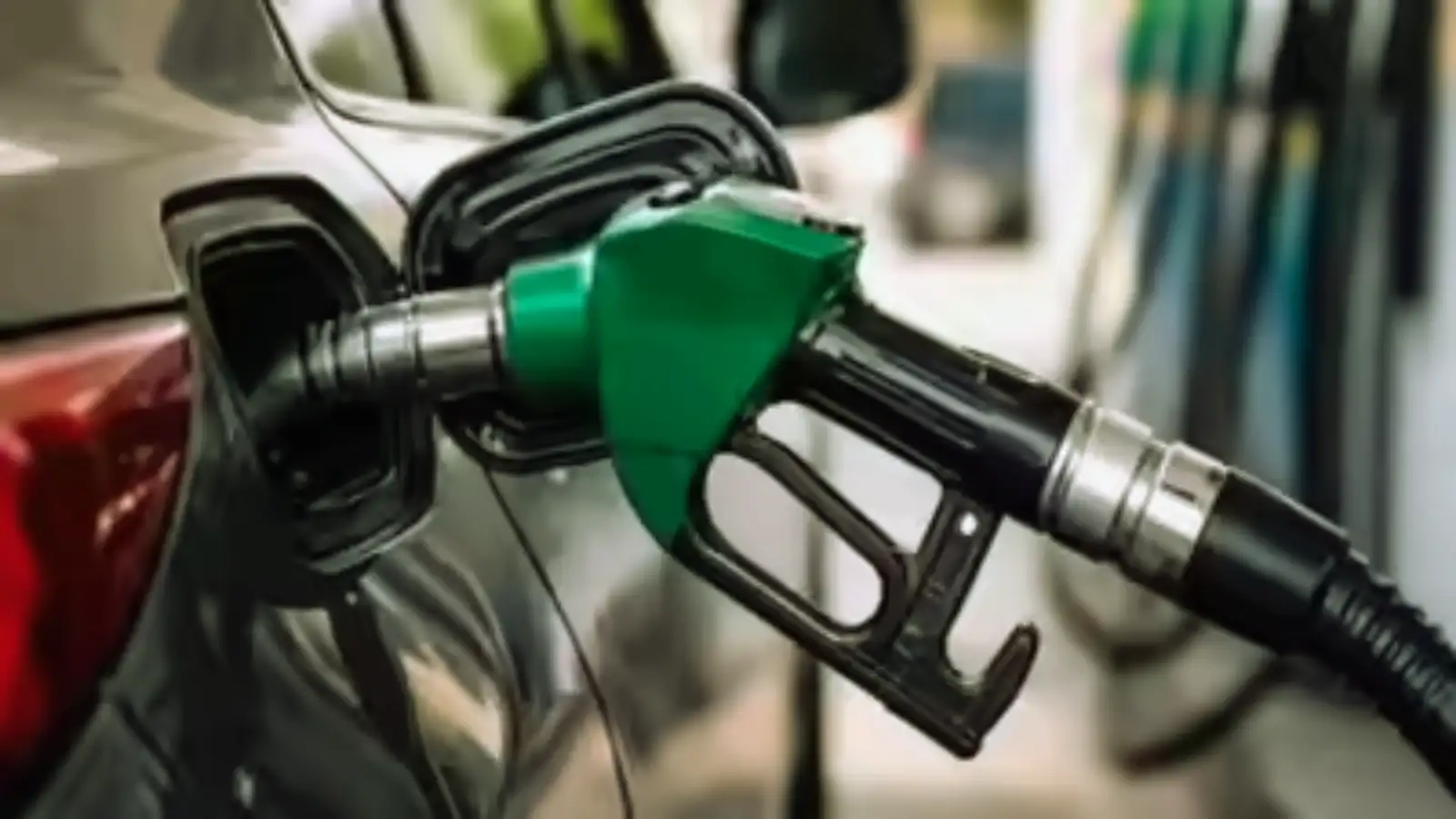
The decision comes at a time when global crude oil prices have surged dramatically due to escalating geopolitical tensions in West Asia. The conflict involving the United States, Israel, and Iran has disrupted supply chains, pushing crude prices well above the $100 per barrel mark. This global volatility has directly impacted fuel costs worldwide, including in India.
Despite the excise duty cut, industry experts suggest that consumers may not see an immediate reduction in petrol price India or diesel price today . The reason lies in the financial strain faced by oil marketing companies. These companies are reportedly incurring heavy losses on fuel sales, with under-recoveries nearing Rs 48.8 per litre. As a result, the benefits of the fuel tax India reduction are likely to be absorbed to offset these losses rather than passed on to consumers.
The government has emphasised that it chose to shield citizens from the full impact of rising crude oil prices instead of allowing a steep increase in retail fuel prices. While many countries have witnessed fuel price hikes ranging from 20 to 50 per cent, India has attempted to maintain relative stability by adjusting its tax structure.
Another critical factor influencing the situation is India’s heavy dependence on oil imports through strategic routes such as the Strait of Hormuz. A significant portion of the country’s crude oil and liquefied natural gas supply passes through this channel, making it highly vulnerable to geopolitical disruptions. Any blockage or instability in this region can severely impact supply and pricing.
Concerns about Petrol and LPG shortages have also surfaced, but officials have reassured that there is no immediate risk. India currently maintains substantial reserves, including both crude oil and ready-to-use fuel, ensuring supply stability for several weeks. Measures are also being taken to diversify import sources and increase domestic production where possible.
While the excise duty cut is a significant policy step, it may not translate into an instant fuel price reduction . The interplay between global crude oil prices, oil marketing companies losses , and supply chain disruptions continues to shape the fuel price landscape. For now, consumers may need to wait longer before experiencing any tangible relief at the pump.
The decision comes at a time when global crude oil prices have surged dramatically due to escalating geopolitical tensions in West Asia. The conflict involving the United States, Israel, and Iran has disrupted supply chains, pushing crude prices well above the $100 per barrel mark. This global volatility has directly impacted fuel costs worldwide, including in India.
Despite the excise duty cut, industry experts suggest that consumers may not see an immediate reduction in petrol price India or diesel price today . The reason lies in the financial strain faced by oil marketing companies. These companies are reportedly incurring heavy losses on fuel sales, with under-recoveries nearing Rs 48.8 per litre. As a result, the benefits of the fuel tax India reduction are likely to be absorbed to offset these losses rather than passed on to consumers.
You may also like
- FM Sitharaman, Piyush Goyal hail fuel duty cut as shield against global oil turmoil
- Air India Express's FY2025 losses soar to ₹5,822 crore
- CREDAI-MCHI Felicitates Mumbai Mayor Smt. Ritu Tawde and Advocate General Dr. Milind Sathe; Reaffirms Commitment to Mumbai's Growth
- India's Used Car Market Shifts Gears as Tier-2 Cities Drive 62 percent Demand: Cars24 Report
- Govt slashes excise duty on petrol to Rs 3/litre, exempts diesel
The government has emphasised that it chose to shield citizens from the full impact of rising crude oil prices instead of allowing a steep increase in retail fuel prices. While many countries have witnessed fuel price hikes ranging from 20 to 50 per cent, India has attempted to maintain relative stability by adjusting its tax structure.
Another critical factor influencing the situation is India’s heavy dependence on oil imports through strategic routes such as the Strait of Hormuz. A significant portion of the country’s crude oil and liquefied natural gas supply passes through this channel, making it highly vulnerable to geopolitical disruptions. Any blockage or instability in this region can severely impact supply and pricing.
Concerns about Petrol and LPG shortages have also surfaced, but officials have reassured that there is no immediate risk. India currently maintains substantial reserves, including both crude oil and ready-to-use fuel, ensuring supply stability for several weeks. Measures are also being taken to diversify import sources and increase domestic production where possible.
While the excise duty cut is a significant policy step, it may not translate into an instant fuel price reduction . The interplay between global crude oil prices, oil marketing companies losses , and supply chain disruptions continues to shape the fuel price landscape. For now, consumers may need to wait longer before experiencing any tangible relief at the pump.






More from our partners


Loving Newspoint? Download the app now
