
India Launches Passport Seva 2.0, UAE NRIs Can Apply For Chip-Enabled E-Passports From 28 October

India has announced the launch of the Global Passport Seva Programme, called Passport Seva 2.0 . The Consulate General of India in Dubai confirmed that all passport services will shift to this upgraded system from 28 October 2025. The new version introduces chip-enabled e-passports, online document uploads, and easier correction options for submitted applications.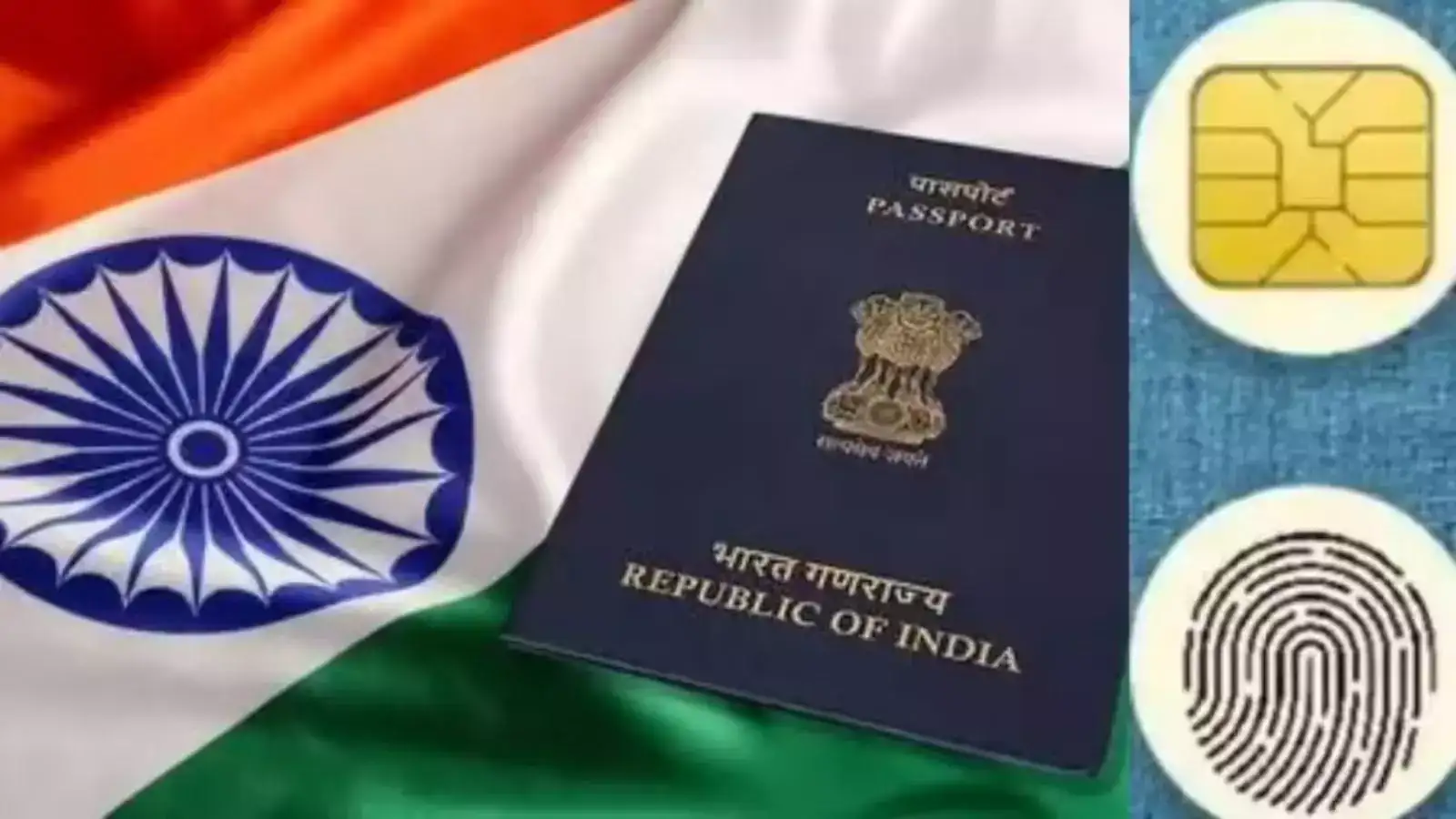
Key Features of Passport Seva 2.0
Chip-enabled e-passports
E-passports will now come with an embedded chip that stores the holder’s digital data. This feature will support faster and smoother immigration checks.
Upload ICAO compliant documents online
Applicants can upload ICAO compliant photographs, signatures, and documents through the Passport Seva Programme portal. The consulate advised applicants to upload documents in advance to reduce waiting time at BLS International centres.
Easy corrections in applications
Minor errors in already submitted applications can be fixed without refilling the form. The service provider can correct them on their system at no extra cost.
How to Apply for an E-passport
Step 1: Register on the portal using the Register Now option on the homepage.
Step 2: Log in with your registered login ID and password.
Step 3: Select the option to create a new application on the Applicant Home Page.
Step 4: Fill in the online form and submit it. Take a printout of the submitted form.
Step 5: Book an appointment and visit the nearest BLS International centre with the required documents.
Indian Community in the UAE
Indians form the largest expatriate community in the UAE. They make up about 35 percent of the country’s population. According to the Indian Embassy, around 4.3 million Indian nationals live in the UAE.
Most Indians work in the UAE, while around 10 percent are dependent family members. Kerala has the highest number of NRIs in the UAE. Tamil Nadu, Andhra Pradesh, and Telangana follow. People from Uttar Pradesh, Bihar, Punjab, and other states also form a large part of the Indian community.
Key Features of Passport Seva 2.0
Chip-enabled e-passports
E-passports will now come with an embedded chip that stores the holder’s digital data. This feature will support faster and smoother immigration checks.
Upload ICAO compliant documents online
Applicants can upload ICAO compliant photographs, signatures, and documents through the Passport Seva Programme portal. The consulate advised applicants to upload documents in advance to reduce waiting time at BLS International centres.
Easy corrections in applications
Minor errors in already submitted applications can be fixed without refilling the form. The service provider can correct them on their system at no extra cost.
How to Apply for an E-passport
Step 1: Register on the portal using the Register Now option on the homepage.
Step 2: Log in with your registered login ID and password.
Step 3: Select the option to create a new application on the Applicant Home Page.
Step 4: Fill in the online form and submit it. Take a printout of the submitted form.
Step 5: Book an appointment and visit the nearest BLS International centre with the required documents.
Indian Community in the UAE
Indians form the largest expatriate community in the UAE. They make up about 35 percent of the country’s population. According to the Indian Embassy, around 4.3 million Indian nationals live in the UAE.
Most Indians work in the UAE, while around 10 percent are dependent family members. Kerala has the highest number of NRIs in the UAE. Tamil Nadu, Andhra Pradesh, and Telangana follow. People from Uttar Pradesh, Bihar, Punjab, and other states also form a large part of the Indian community.
Next Story