
Nationwide Bank Strike: Why Employees Are Striking And What It Means For You; 10 Things To Know

Banking services at public sector banks across India faced disruption on Tuesday as the United Forum of Bank Unions (UFBU) went ahead with a nationwide bank strike . The protest, led by bank employees and officers, centres on a long-pending demand for the implementation of a five-day work week in public sector banks.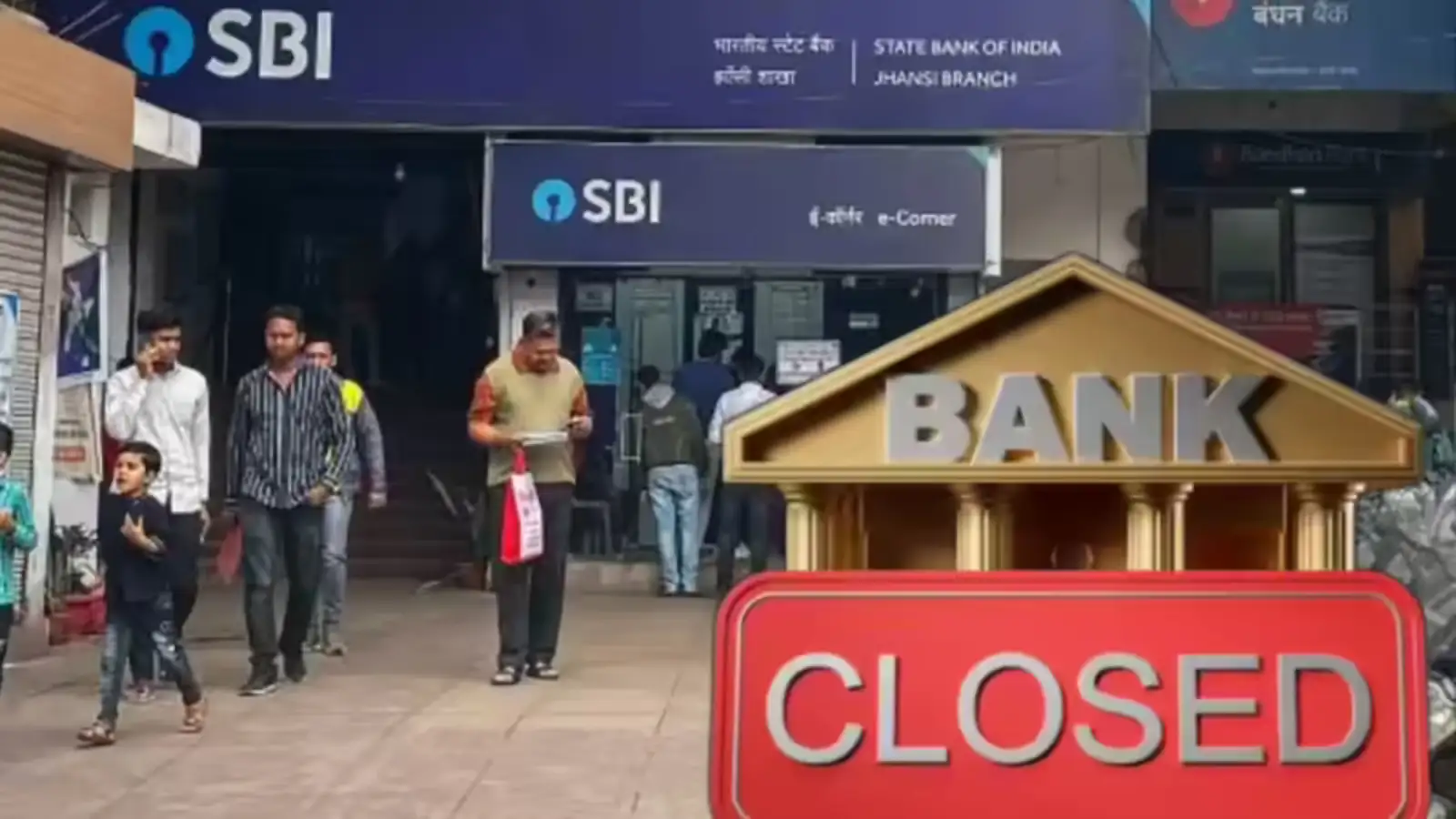
The timing of the strike has compounded its impact. Banks were already shut on January 23 for Basant Panchami, January 24 as it was the fourth Saturday, January 25 due to Sunday, and January 26 for Republic Day. As a result, customers are likely to experience interruptions in branch-level services for five consecutive days.
The UFBU, which represents nine major bank unions, had held conciliation meetings with the chief labour commissioner on January 22 and 23. However, union leaders said the talks failed to yield any firm commitment from the government, prompting them to proceed with the strike.
“Despite detailed discussions during the conciliation proceedings, there was no assurance on our demand. Hence, we have been compelled to proceed with the strike action,” said C H Venkatachalam, general secretary of the All India Bank Employees Association (AIBEA), a UFBU member, speaking to PTI.
Union leaders have stressed that the nationwide bank strike is not meant to inconvenience customers but to push for a healthier and more sustainable banking work environment.
Who is on strike?
The strike has been called by the United Forum of Bank Unions, an umbrella body of nine unions representing officers and employees of public sector banks.
What is the main demand?
The unions are seeking the implementation of a five-day work week, which would make all Saturdays official holidays for public sector banks.
Why now?
Union representatives say the proposal for Saturday holidays was agreed upon during the 12th Bipartite Settlement with the Indian Banks’ Association in March 2024, but the government notification is still awaited.
Which banks are affected?
Branch-level services at public sector banks such as State Bank of India, Punjab National Bank and Bank of Baroda are likely to be impacted.
What services may be disrupted?
Cash deposits, withdrawals, cheque clearances and routine administrative work may see delays due to reduced staffing.
Are private banks affected?
Major private sector banks including HDFC Bank, ICICI Bank and Axis Bank are expected to function normally, as their employees are not part of the strike.
What about digital banking?
UPI, mobile banking and internet banking services are expected to remain operational. However, ATM cash availability could be affected in some areas due to logistical constraints.
What do unions say about customers?
“This movement is not against customers, but for a sustainable, humane, and efficient banking system. A rested banker serves the nation better,” said L Chandrasekhar, general secretary of the National Confederation of Bank Employees.
How are authorities responding?
An urgent meeting chaired by the secretary of the Department of Financial Services was held with senior officials from public sector banks and the IBA to ensure continuity of essential services.
What have banks advised customers?
Public sector banks, including SBI, have informed stock exchanges about the possible disruption. SBI stated, “While the bank has made necessary arrangements to ensure normal functioning in its branches and offices on the day of strike, it is likely that work may be impacted.”
As the nationwide bank strike continues, customers are advised to rely on digital channels where possible and plan branch visits after normal operations resume.
The timing of the strike has compounded its impact. Banks were already shut on January 23 for Basant Panchami, January 24 as it was the fourth Saturday, January 25 due to Sunday, and January 26 for Republic Day. As a result, customers are likely to experience interruptions in branch-level services for five consecutive days.
The UFBU, which represents nine major bank unions, had held conciliation meetings with the chief labour commissioner on January 22 and 23. However, union leaders said the talks failed to yield any firm commitment from the government, prompting them to proceed with the strike.
“Despite detailed discussions during the conciliation proceedings, there was no assurance on our demand. Hence, we have been compelled to proceed with the strike action,” said C H Venkatachalam, general secretary of the All India Bank Employees Association (AIBEA), a UFBU member, speaking to PTI.
Union leaders have stressed that the nationwide bank strike is not meant to inconvenience customers but to push for a healthier and more sustainable banking work environment.
Nationwide bank strike: 10 key things to know
Who is on strike?
The strike has been called by the United Forum of Bank Unions, an umbrella body of nine unions representing officers and employees of public sector banks. What is the main demand?
The unions are seeking the implementation of a five-day work week, which would make all Saturdays official holidays for public sector banks. Why now?
Union representatives say the proposal for Saturday holidays was agreed upon during the 12th Bipartite Settlement with the Indian Banks’ Association in March 2024, but the government notification is still awaited. Which banks are affected?
Branch-level services at public sector banks such as State Bank of India, Punjab National Bank and Bank of Baroda are likely to be impacted.What services may be disrupted?
Cash deposits, withdrawals, cheque clearances and routine administrative work may see delays due to reduced staffing. Are private banks affected?
Major private sector banks including HDFC Bank, ICICI Bank and Axis Bank are expected to function normally, as their employees are not part of the strike. What about digital banking?
UPI, mobile banking and internet banking services are expected to remain operational. However, ATM cash availability could be affected in some areas due to logistical constraints. What do unions say about customers?
“This movement is not against customers, but for a sustainable, humane, and efficient banking system. A rested banker serves the nation better,” said L Chandrasekhar, general secretary of the National Confederation of Bank Employees. How are authorities responding?
An urgent meeting chaired by the secretary of the Department of Financial Services was held with senior officials from public sector banks and the IBA to ensure continuity of essential services.What have banks advised customers?
Public sector banks, including SBI, have informed stock exchanges about the possible disruption. SBI stated, “While the bank has made necessary arrangements to ensure normal functioning in its branches and offices on the day of strike, it is likely that work may be impacted.” As the nationwide bank strike continues, customers are advised to rely on digital channels where possible and plan branch visits after normal operations resume.
Next Story