
Car Insurance Renewal: What Happens If You Miss The Deadline And Risk Your NCB?

Renewing car insurance on time is one of those routine tasks that is easy to postpone until the last moment. However, allowing a policy to expire can leave a vehicle without active insurance protection and create additional complications when cover is restored. The No Claim Bonus (NCB), built up through claim-free years, also needs attention. Knowing how policy expiry affects coverage, NCB and renewal can help motorists avoid an unwanted break in protection and potentially higher costs.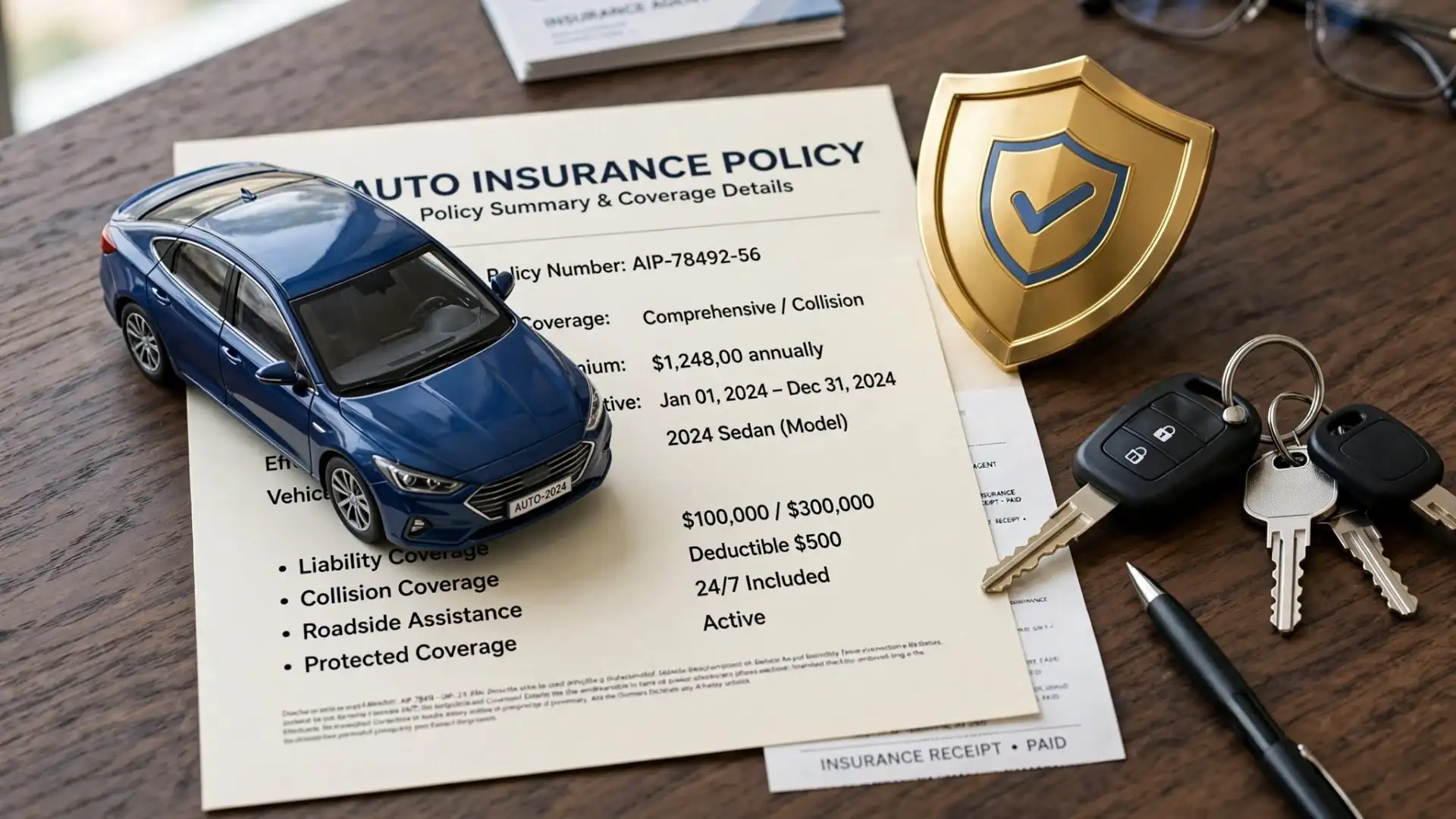
This can become particularly costly if the vehicle is involved in an accident during the uninsured period. Expenses related to damage to the insured car may have to be borne by the owner, depending on the circumstances and the cover that was in force.
Third-party motor insurance is also mandatory for vehicles being driven on Indian roads. Driving without valid third-party cover can therefore lead to legal and financial consequences.
According to insurance experts, renewing before the expiry date is generally the simplest way to avoid these complications and maintain continuity of cover.
The NCB discount can increase with consecutive claim-free years. Under the standard structure, it begins at 20% after the first claim-free year and can rise to 50% after five consecutive claim-free years.
That makes NCB particularly valuable for motorists who have avoided making claims over several years. A higher discount can reduce the premium payable on the own-damage portion of the policy at renewal.
However, making a claim can affect the accumulated bonus. Depending on the circumstances and policy terms, the NCB may be reduced or become unavailable at the next renewal.
An expired policy does not mean that the accumulated NCB is automatically lost on the following day. There is a 90-day period within which the policyholder can renew the comprehensive motor insurance policy and retain the accrued NCB, subject to the applicable conditions.
This distinction is important. The NCB retention period should not be confused with an extension of insurance coverage.
If the policy has expired, the vehicle is not protected by that expired policy simply because the NCB remains available for a limited period.
For this reason, motorists should arrange renewal as soon as they realise that their policy has lapsed instead of waiting until the end of the 90-day period.
When a policy has expired, the insurer may require an inspection of the vehicle before issuing a new policy. The exact process can depend on the insurer and the circumstances surrounding the renewal.
There is also a practical risk during the gap. If the car is damaged, stolen or involved in an accident after the old policy has expired, the owner cannot expect the previous policy to cover that event.
The financial impact can be significant, particularly when the incident involves extensive vehicle damage or third-party liability.
Beginning early gives vehicle owners enough time to review their existing policy and compare available options. It can also prevent last-minute decisions based purely on the premium quoted.
Before renewing, motorists should check the Insured Declared Value (IDV), deductibles, coverage limits, exclusions and add-ons.
The IDV is especially important for own-damage insurance because it represents the insured value assigned to the vehicle. A policyholder should understand the chosen IDV instead of selecting a policy solely because it has a lower premium.
The benefit belongs to the policyholder rather than being permanently tied to a particular car. Therefore, eligible NCB can generally be carried over when a policyholder changes insurers or replaces the vehicle, subject to the required documentation and applicable rules.
The policyholder may need to provide proof of the accumulated NCB while purchasing or renewing the new policy.
This can be particularly useful for motorists who have built up a substantial discount over several claim-free years. Switching insurers for better coverage does not automatically mean giving up that benefit.
First, check whether the NCB percentage shown is correct. A mismatch could result in the policyholder paying more than necessary.
Next, review the IDV and deductibles. These can influence both the premium and the financial protection available in the event of a claim.
Add-ons should also be selected according to actual requirements rather than simply being added to the policy. Features such as roadside assistance, zero depreciation cover or engine protection may be useful in specific circumstances, but their value depends on the vehicle and the owner's needs.
Motorists should also check policy exclusions and understand what is not covered.
The insurer may ask for a vehicle inspection before providing the renewed policy. The owner should also check whether the accumulated NCB remains within the applicable retention period.
Driving the vehicle during an insurance gap can expose the owner to unnecessary risk. If an accident occurs before the new policy becomes active, the resulting financial consequences may fall on the vehicle owner.
According to insurance professionals, policyholders should therefore check their NCB carefully every time they renew or switch insurers.
Keeping policy documents and previous renewal details can also make it easier to establish the NCB entitlement when changing insurers or purchasing another vehicle.
Ultimately, renewing car insurance before expiry remains the most straightforward way to maintain continuous protection and safeguard an accumulated NCB. Motorists should also use renewal as an opportunity to reassess their coverage rather than treating it as a routine payment.
A few minutes spent checking the policy, NCB, IDV, deductibles and add-ons can help ensure that the renewed cover matches the vehicle owner's needs.
Disclaimer: This content is for informational purposes only and should not be considered insurance, legal or financial advice. Policy terms and applicable regulations may change. Policyholders should check the latest terms before making insurance-related decisions.
Image Courtesy: Meta AI
Why Timely Car Insurance Renewal Matters
A car insurance policy provides protection only during its valid period. Once the policy expires, the owner cannot rely on the old policy for incidents that take place afterwards.This can become particularly costly if the vehicle is involved in an accident during the uninsured period. Expenses related to damage to the insured car may have to be borne by the owner, depending on the circumstances and the cover that was in force.
Third-party motor insurance is also mandatory for vehicles being driven on Indian roads. Driving without valid third-party cover can therefore lead to legal and financial consequences.
According to insurance experts, renewing before the expiry date is generally the simplest way to avoid these complications and maintain continuity of cover.
What Is No Claim Bonus?
The No Claim Bonus is a reward for maintaining a claim-free record during the policy period. For eligible motor insurance policies, it is generally offered as a discount on the own-damage premium.The NCB discount can increase with consecutive claim-free years. Under the standard structure, it begins at 20% after the first claim-free year and can rise to 50% after five consecutive claim-free years.
That makes NCB particularly valuable for motorists who have avoided making claims over several years. A higher discount can reduce the premium payable on the own-damage portion of the policy at renewal.
However, making a claim can affect the accumulated bonus. Depending on the circumstances and policy terms, the NCB may be reduced or become unavailable at the next renewal.
Does A Policy Lapse Mean Immediate Loss Of NCB?
Not necessarily.An expired policy does not mean that the accumulated NCB is automatically lost on the following day. There is a 90-day period within which the policyholder can renew the comprehensive motor insurance policy and retain the accrued NCB, subject to the applicable conditions.
This distinction is important. The NCB retention period should not be confused with an extension of insurance coverage.
If the policy has expired, the vehicle is not protected by that expired policy simply because the NCB remains available for a limited period.
For this reason, motorists should arrange renewal as soon as they realise that their policy has lapsed instead of waiting until the end of the 90-day period.
What Happens After The Policy Expires?
Renewing an insurance policy before its expiry is usually more straightforward than restoring cover after a lapse.When a policy has expired, the insurer may require an inspection of the vehicle before issuing a new policy. The exact process can depend on the insurer and the circumstances surrounding the renewal.
There is also a practical risk during the gap. If the car is damaged, stolen or involved in an accident after the old policy has expired, the owner cannot expect the previous policy to cover that event.
The financial impact can be significant, particularly when the incident involves extensive vehicle damage or third-party liability.
How Early Should You Renew Car Insurance?
Motorists should not wait for the final day to start the renewal process.Beginning early gives vehicle owners enough time to review their existing policy and compare available options. It can also prevent last-minute decisions based purely on the premium quoted.
Before renewing, motorists should check the Insured Declared Value (IDV), deductibles, coverage limits, exclusions and add-ons.
The IDV is especially important for own-damage insurance because it represents the insured value assigned to the vehicle. A policyholder should understand the chosen IDV instead of selecting a policy solely because it has a lower premium.
Can You Keep NCB When Changing Insurers?
Changing insurers does not necessarily mean losing an accumulated NCB.The benefit belongs to the policyholder rather than being permanently tied to a particular car. Therefore, eligible NCB can generally be carried over when a policyholder changes insurers or replaces the vehicle, subject to the required documentation and applicable rules.
The policyholder may need to provide proof of the accumulated NCB while purchasing or renewing the new policy.
This can be particularly useful for motorists who have built up a substantial discount over several claim-free years. Switching insurers for better coverage does not automatically mean giving up that benefit.
What Should You Check Before Renewal?
A renewal quote should be examined beyond its headline premium.First, check whether the NCB percentage shown is correct. A mismatch could result in the policyholder paying more than necessary.
Next, review the IDV and deductibles. These can influence both the premium and the financial protection available in the event of a claim.
Add-ons should also be selected according to actual requirements rather than simply being added to the policy. Features such as roadside assistance, zero depreciation cover or engine protection may be useful in specific circumstances, but their value depends on the vehicle and the owner's needs.
Motorists should also check policy exclusions and understand what is not covered.
What If You Have Already Missed The Deadline?
If the car insurance policy has already expired, the safest approach is to arrange renewal promptly and avoid assuming that the old cover remains active.The insurer may ask for a vehicle inspection before providing the renewed policy. The owner should also check whether the accumulated NCB remains within the applicable retention period.
Driving the vehicle during an insurance gap can expose the owner to unnecessary risk. If an accident occurs before the new policy becomes active, the resulting financial consequences may fall on the vehicle owner.
You may also like
- 'One nation, one time': Govt notifies rules to make IST common time reference
- Chief Minister Mohan Yadav Visits Flood-Hit Chitrakoot, To Hold Meet Over Flood Situation After Heavy Rain In MP's Satna | VIDEO
- 15-Year-Old Vaibhav Sooryavanshi Captains East Zone After Ishan Kishan Suffers Injury In Duleep Trophy 2026 Semi-Final
- VIDEO: Man Accidentally Boards Ladies' Compartment Of Mumbai Local; Women Stop Him From Jumping Off Moving Train
- CJP Threatens Sit-In At Delhi Police Headquarters Over Pending Student Demands
Why NCB Should Not Be Ignored
The No Claim Bonus is more than just a figure shown on a renewal document. For a motorist with several consecutive claim-free years, it can represent a sizeable discount on the own-damage premium.According to insurance professionals, policyholders should therefore check their NCB carefully every time they renew or switch insurers.
Keeping policy documents and previous renewal details can also make it easier to establish the NCB entitlement when changing insurers or purchasing another vehicle.
Ultimately, renewing car insurance before expiry remains the most straightforward way to maintain continuous protection and safeguard an accumulated NCB. Motorists should also use renewal as an opportunity to reassess their coverage rather than treating it as a routine payment.
A few minutes spent checking the policy, NCB, IDV, deductibles and add-ons can help ensure that the renewed cover matches the vehicle owner's needs.
Disclaimer: This content is for informational purposes only and should not be considered insurance, legal or financial advice. Policy terms and applicable regulations may change. Policyholders should check the latest terms before making insurance-related decisions.
Image Courtesy: Meta AI






Loving Newspoint? Download the app now
