
Does a bigger mutual fund mean lower returns? Rajeev Thakkar asks AI to analyse fund size


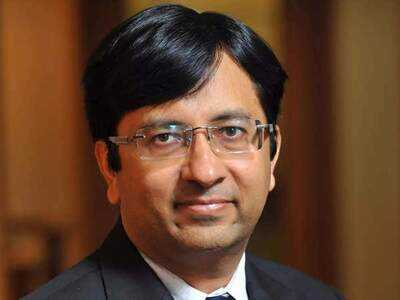
Does a mutual fund’s growing asset size affect its ability to generate returns, particularly in equity categories such as small-cap, mid-cap, flexi-cap and large-cap funds? Rajeev Thakkar, CIO and Director of PPFAS Asset Management, turned to artificial intelligence (AI) models.
Speaking at the PPFAS Mutual Fund’s 13th Unitholders' Meet on Saturday, Thakkar said he asked Opus 5.5 and Google's Gemini Neon to examine whether fund size affects performance, using high-effort reasoning. Clarifying that the response was generated by AI and not his own assessment, he shared the conclusions with investors.
https://x.com/PPFAS/status/2124108169450594374?a=GYRdCvF-oNSSPf2rG2g&s=20
Also Read | India does not have FANGs or MANGOes, but has WITCH companies, says PPFAS Mutual Fund’s Rajeev Thakkar
According to the AI-generated responses, fund size matters for small-cap funds, but its impact on large-cap and flexi-cap funds is very small. In fact, the models suggested that larger funds in these categories had performed better.
"The size matters for small-cap funds. The impact of size on large-cap funds and flexi-cap funds is very minuscule. In fact, larger funds have actually performed better," Thakkar said while sharing the findings.
The AI models also highlighted expense ratios as an important factor. Larger funds typically have lower expense ratios, which can work in investors' favour. Therefore, investors should not look at the absolute size of a fund in isolation while assessing its performance.
Another factor highlighted in the AI-generated response was the pace at which a fund's assets under management (AUM) are growing, rather than its absolute AUM. Thakkar also referred to an IIM working paper that examined the relationship between fund size and performance. He clarified that the study was not commissioned by PPFAS and that he had come across it while exploring the subject.
Sharing the broad takeaway from the AI responses, Thakkar said fund size does not matter much for large-cap and flexi-cap funds.
Thakkar also addressed questions about PPFAS Mutual Fund's relatively selective approach towards small-cap and mid-cap stocks. He said the fund house has nothing against these market segments but will invest when valuations are reasonable and opportunities emerge.
"Nothing against small and midcaps. We will buy when the valuation is right, when we get the opportunity," he said.
He added that some of the companies held by the fund house, including REITs and natural gas businesses, fall within the mid-cap segment.
Thakkar cautioned investors against evaluating small-cap returns without considering the entry point and the period over which performance is measured. Small-cap returns can look attractive when investments are made at the right time, but there can also be extended periods when performance remains weak.
He also pointed out that the small-cap premium globally has been declining. Citing the US market, he said a significant portion of the S&P 500's returns had been driven by its seven largest companies, illustrating how market leadership can change across cycles.
Also Read | Chasing hot themes, hypergrowth or multibaggers? Why PPFAS' Rajeev Thakkar prefers fundamentals
The broader message, he said, was that fund managers should remain selective and avoid investing in smaller companies merely to increase exposure to the small-cap segment.
(Disclaimer: Recommendations, suggestions, views and opinions given by the experts are their own. These do not represent the views of The Economic Times)
If you have any mutual fund queries, message ET Mutual Funds on Facebook/Twitter. We will get them answered by our panel of experts. Do share your questions at ETMFqueries@timesinternet.in along with your age, risk profile, and Twitter handle
Speaking at the PPFAS Mutual Fund’s 13th Unitholders' Meet on Saturday, Thakkar said he asked Opus 5.5 and Google's Gemini Neon to examine whether fund size affects performance, using high-effort reasoning. Clarifying that the response was generated by AI and not his own assessment, he shared the conclusions with investors.
https://x.com/PPFAS/status/2124108169450594374?a=GYRdCvF-oNSSPf2rG2g&s=20
Also Read | India does not have FANGs or MANGOes, but has WITCH companies, says PPFAS Mutual Fund’s Rajeev Thakkar
According to the AI-generated responses, fund size matters for small-cap funds, but its impact on large-cap and flexi-cap funds is very small. In fact, the models suggested that larger funds in these categories had performed better.
"The size matters for small-cap funds. The impact of size on large-cap funds and flexi-cap funds is very minuscule. In fact, larger funds have actually performed better," Thakkar said while sharing the findings.
The AI models also highlighted expense ratios as an important factor. Larger funds typically have lower expense ratios, which can work in investors' favour. Therefore, investors should not look at the absolute size of a fund in isolation while assessing its performance.
Another factor highlighted in the AI-generated response was the pace at which a fund's assets under management (AUM) are growing, rather than its absolute AUM. Thakkar also referred to an IIM working paper that examined the relationship between fund size and performance. He clarified that the study was not commissioned by PPFAS and that he had come across it while exploring the subject.
Sharing the broad takeaway from the AI responses, Thakkar said fund size does not matter much for large-cap and flexi-cap funds.
Thakkar also addressed questions about PPFAS Mutual Fund's relatively selective approach towards small-cap and mid-cap stocks. He said the fund house has nothing against these market segments but will invest when valuations are reasonable and opportunities emerge.
"Nothing against small and midcaps. We will buy when the valuation is right, when we get the opportunity," he said.
He added that some of the companies held by the fund house, including REITs and natural gas businesses, fall within the mid-cap segment.
Thakkar cautioned investors against evaluating small-cap returns without considering the entry point and the period over which performance is measured. Small-cap returns can look attractive when investments are made at the right time, but there can also be extended periods when performance remains weak.
He also pointed out that the small-cap premium globally has been declining. Citing the US market, he said a significant portion of the S&P 500's returns had been driven by its seven largest companies, illustrating how market leadership can change across cycles.
Also Read | Chasing hot themes, hypergrowth or multibaggers? Why PPFAS' Rajeev Thakkar prefers fundamentals
The broader message, he said, was that fund managers should remain selective and avoid investing in smaller companies merely to increase exposure to the small-cap segment.
(Disclaimer: Recommendations, suggestions, views and opinions given by the experts are their own. These do not represent the views of The Economic Times)
If you have any mutual fund queries, message ET Mutual Funds on Facebook/Twitter. We will get them answered by our panel of experts. Do share your questions at
Next Story