
How Much Cash Can You Keep At Home? Know The Rules On Source, Tax And Bank Deposits

Keeping some cash at home remains a common practice for emergencies, household expenses and unexpected needs. But when the amount becomes substantial, many people wonder whether there is a maximum limit prescribed under income tax rules. The important point is that the law does not specify a general ceiling for cash kept at home. Instead, the source of the money, its connection with declared income and the availability of supporting records become crucial if the cash is ever questioned.
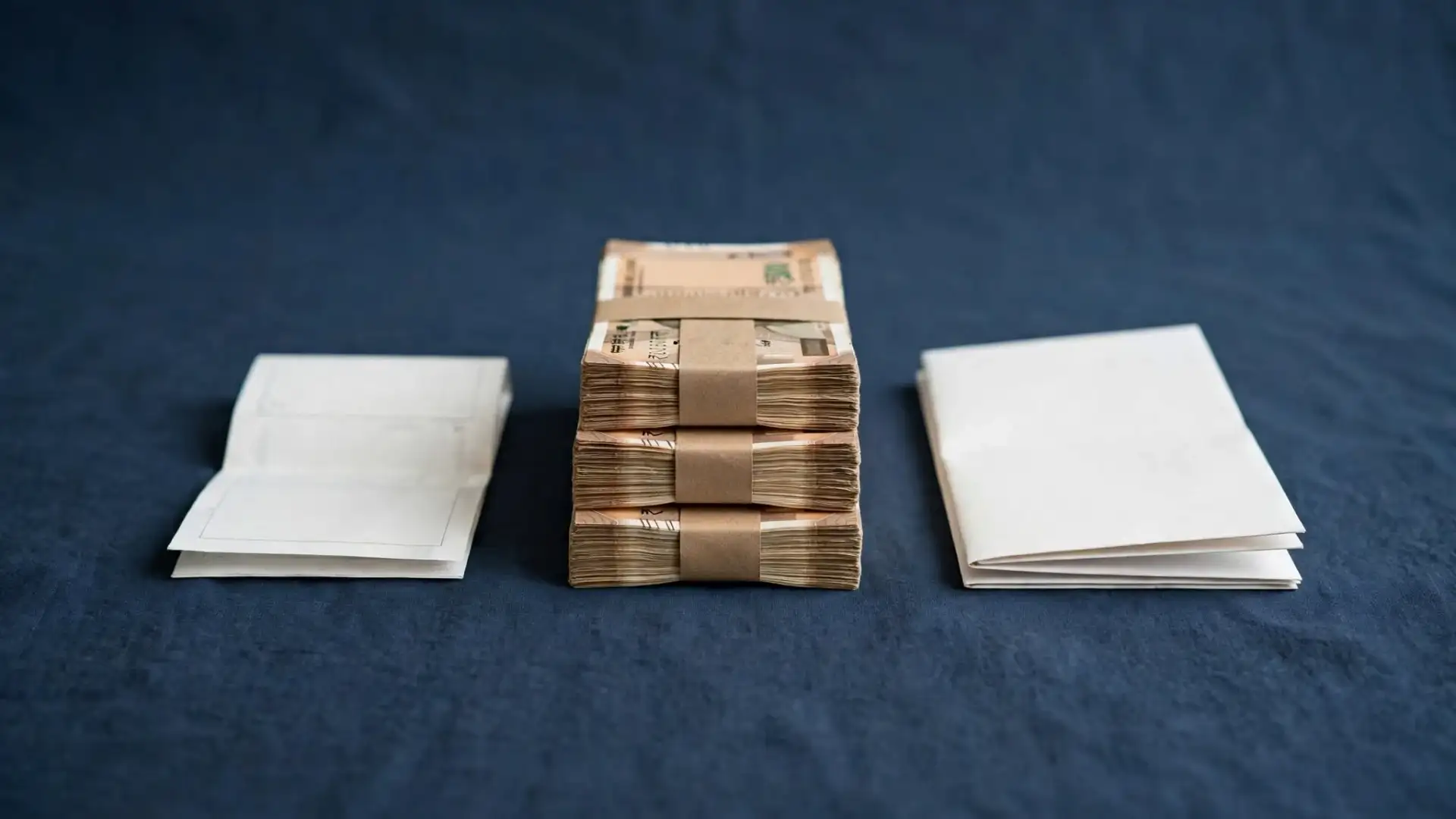
There Is No Fixed Limit On Cash Kept At Home
There is no prescribed upper limit on the amount of cash an individual can keep at home. In other words, the rules do not state that a person can keep only ₹1 lakh, ₹5 lakh or ₹10 lakh in physical cash.This means that even a substantially higher amount can be kept at home, provided the money has a legitimate and explainable source.
However, the absence of a fixed limit does not mean that the source of the cash is irrelevant. According to tax experts, the ability to establish where the money came from is far more important than simply looking at the amount kept at home.
A large cash holding can become problematic if the individual cannot satisfactorily explain its origin or provide supporting evidence.
The Source Of Every Rupee Matters
If you decide to keep a significant amount of cash at home, you should be able to establish how you acquired it.The money could have come from legitimate earnings, previous savings, business receipts, withdrawals from a bank account or other documented financial transactions. Whatever the source, maintaining evidence can make it easier to answer questions about the cash.
For instance, if a person withdraws money from their bank account and subsequently keeps it at home, the relevant bank records can help establish where the cash originated.
Similarly, people who receive cash through business activities should maintain appropriate records of those transactions.
The basic principle is straightforward: having cash is not, by itself, the issue. Being unable to explain its source can create complications.
Your Cash Holdings Should Be Consistent With Your Income
Another important consideration is whether the amount of cash held at home can reasonably be connected to your declared financial position.A person may have several legitimate sources of income apart from salary. These can include interest from savings, business earnings, investment income, rental income and other receipts. Once taxable income from different sources is considered, the relevant tax obligations must also be met.
If a person is found to have a large cash balance that cannot be reconciled with their declared income or available records, questions may arise about the origin of the money.
According to experts, maintaining proper financial documentation is particularly important when cash holdings are substantial.
What Happens If The Source Cannot Be Explained?
The situation can become more serious when a person cannot satisfactorily establish the source of cash discovered during an investigation.Under the provisions dealing with unexplained money, an amount whose nature and source cannot be properly explained may be treated as taxable income. Section 69A of the Income Tax Act is relevant in cases involving unexplained money and other valuables.
This is why simply saying that the money has been saved over several years may not always be enough if there is no supporting record to establish the claim.
Where the source is legitimate, documentation can play an important role in demonstrating how the money was accumulated.
Tax Must Be Paid On Taxable Income
Cash kept at home does not exist outside the tax system. The relevant question is whether the income from which that cash was accumulated was taxable and properly accounted for.For example, if someone earns taxable income and retains part of it in cash, the applicable tax liability still has to be met. Keeping the money at home rather than in a bank account does not remove the obligation to report taxable income.
This is why income records should be maintained carefully.
Salary records, bank statements, business documents, investment statements, property-related records and other relevant paperwork can help establish a person's overall financial position.
Keep Records Of Different Income Sources
A person's financial records should not focus only on their salary.Interest earned on savings, income from a business, investment-related earnings, property income and other taxable receipts may also form part of the overall income picture. Depending on the nature of the income, the applicable tax treatment can differ.
Maintaining documents for these different sources can therefore be useful if the cash kept at home is ever questioned.
The more substantial the cash holding, the more important it becomes to maintain a clear record of its origin and accumulation.
The ₹10 Lakh Cash Deposit Rule Is Not A Home Cash Limit
One of the most common points of confusion concerns the ₹10 lakh cash deposit threshold.The ₹10 lakh figure mentioned in the rules relates to cash deposited into a bank account during a financial year. It should not be interpreted as the maximum amount of cash that a person can keep at home.
The threshold applies to aggregate cash deposits during the year rather than simply one isolated deposit. Therefore, someone who makes several cash deposits that collectively cross the applicable threshold may need to account for the source of the funds.
This distinction is important because a bank deposit rule and a household cash-holding rule are not the same thing.
Large Cash Deposits May Require An Explanation
Depositing a substantial amount of cash into a bank account does not automatically mean that the money is illegal or that tax will immediately be imposed on the entire deposit.However, when cash deposits cross the relevant reporting threshold, the source of the funds becomes an important consideration.
If the money came from a legitimate and documented source, the individual should be able to provide an appropriate explanation and supporting records.
According to experts, maintaining a proper trail of cash withdrawals, receipts, income and deposits is one of the simplest ways to avoid unnecessary complications.
Documentation Can Protect You During An Investigation
People who regularly deal with cash should make an effort to retain relevant financial records instead of relying only on verbal explanations.Bank withdrawal statements can establish when money was withdrawn. Business records can support cash receipts. Income documents can help connect earnings with savings. Property or investment records may also be relevant where the cash originated from a particular transaction.
Such documentation becomes especially useful if an investigation takes place and the individual is asked to establish the source of the cash.
The key is consistency between the cash available, the income reported and the records maintained.
Cash At Home Is Not The Same As Unaccounted Cash
It is important not to confuse these two concepts.You may also like
- Rs 20,700 crore, 326 km more: India completes its Dedicated Freight Corridor network as PM Modi inaugurates three new sections; now fully operational across 2,843 km with 443 trains daily as of now
- Indian healthcare providers scale AI pilots into practice: Report
- SBI ATM Rules Changing October 1: Free Transactions Cut for Salary Account Holders
- India's startup pipeline expands to 110 Cheetahs in 2026: ASK-Hurun
- PC Jeweller falls 5% after sharp 3-day rally. Here's why
Keeping cash at home is not prohibited simply because it is physical currency. The concern arises when the amount cannot be properly explained or appears inconsistent with the person's declared financial position.
Therefore, there is no need to assume that every large cash holding is automatically unlawful. At the same time, keeping a large amount without records can create avoidable difficulties if authorities ask questions about it.
For anyone holding substantial cash, maintaining proper financial records and ensuring that taxable income is correctly reported are sensible precautions.
Keep The Source Clear And Records Updated
There is no single number that can be treated as the universal maximum amount of cash allowed inside a home. Instead, the circumstances surrounding the money matter.If you keep cash at home, make sure its source is legitimate, maintain relevant documentation and ensure that your financial records are consistent with your declared income.
The ₹10 lakh cash deposit threshold should also not be mistaken for a limit on household cash holdings. Different rules apply to cash deposits and other cash transactions.
Ultimately, the ability to explain the source of the money is central to avoiding tax-related complications when a substantial amount of cash is involved.
Disclaimer: This content is for informational purposes only and should not be treated as tax, legal or financial advice. Readers should verify the applicable rules before making decisions involving cash holdings or tax matters.
Image Courtesy: Meta AI






Loving Newspoint? Download the app now
