
Missed Gold Loan EMIs? Know When Your Pledged Jewellery Could Face Auction and How to Protect It

Missing gold loan instalments can create financial pressure, particularly when family jewellery has been pledged as security. However, a payment default does not automatically mean the lender will immediately auction the gold.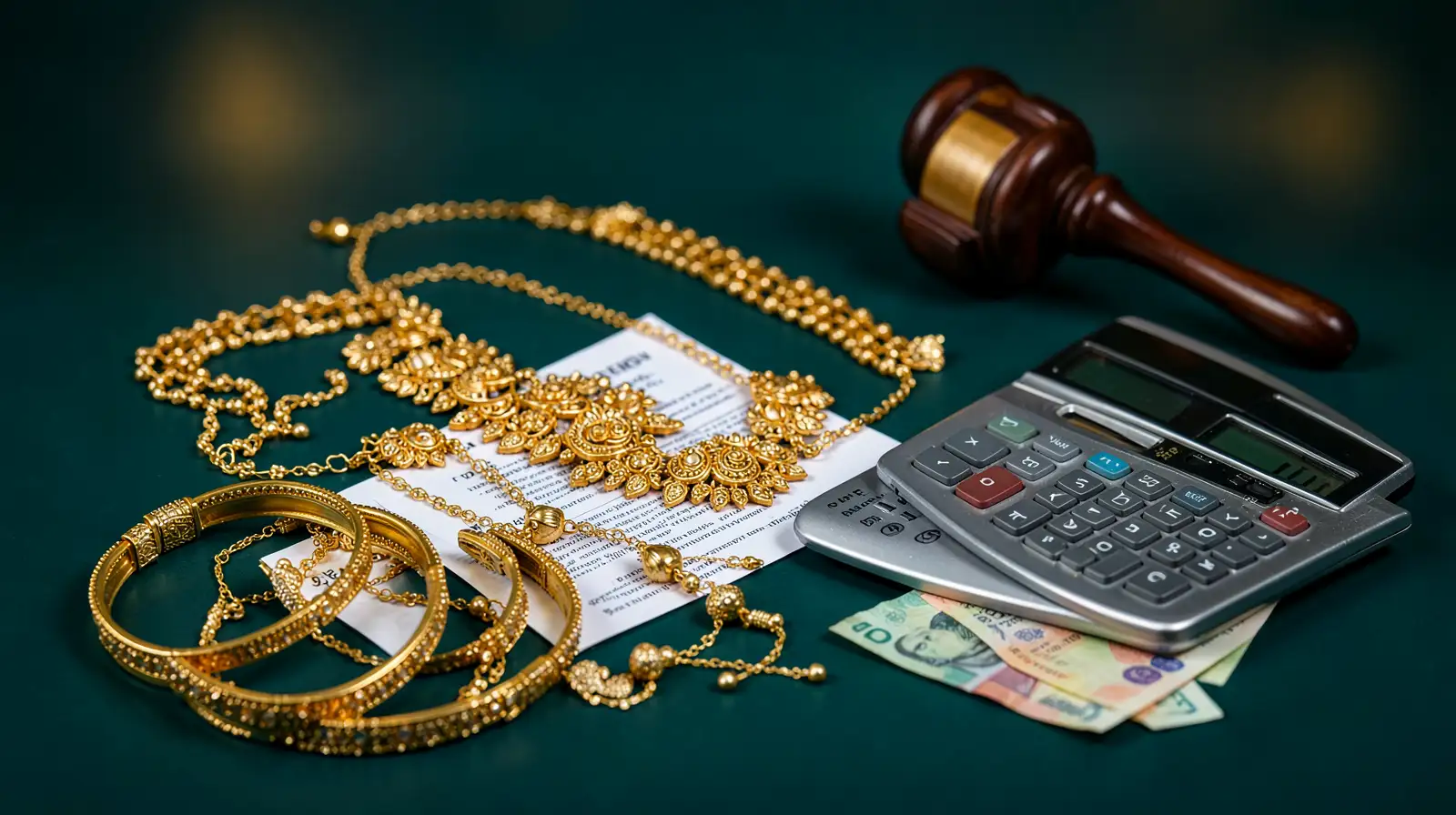
The consequences depend on the loan agreement, the duration of the default and the lender's recovery procedures. Understanding the process, responding to notices and contacting the lender early can help borrowers assess their options before their pledged jewellery is sold.
The loan agreement, applicable regulatory requirements and the lender's recovery policy determine how a default is handled. Missed payments may result in overdue charges, reminders and demands for repayment, with further action possible if the outstanding amount remains unpaid.
The 90-day overdue threshold is particularly important in the context of loan classification. Under the general Reserve Bank of India (RBI) framework, a loan account can ordinarily be classified as a non-performing asset (NPA) when principal or interest remains overdue for more than 90 days, subject to the applicable classification rules.
However, NPA classification and the auction of pledged gold are separate matters. Crossing the 90-day threshold does not, by itself, mean that the jewellery will be auctioned immediately. The lender must follow the applicable requirements and its contractual recovery process.
Borrowers should also understand how overdue periods are calculated. If an older instalment remains unpaid while subsequent payments are made, the earlier default may continue to determine how long the account has been overdue. Paying a more recent instalment does not necessarily clear the oldest outstanding amount.
Anyone facing repayment difficulties should check the loan statement, identify the earliest unpaid instalment and contact the lender to establish the exact outstanding balance.
Nevertheless, the process generally involves several stages.
Borrowers should check whether any additional charges have been added to the account and ask for a statement showing the total amount required to bring the loan up to date.
As the overdue period increases, the possibility of further recovery action becomes more significant. Borrowers should not treat reminder messages as the only indication of their account status; obtaining written confirmation from the lender is a more reliable way to understand the position.
The period between the final notice and the proposed auction can differ according to the lender's policy and the requirements governing the loan. Borrowers should therefore avoid relying on a general estimate of how many months they have before their gold becomes vulnerable to sale.
The lender must follow the relevant notice and auction requirements rather than treating the pledged jewellery as property it can sell without procedure.
If the proceeds are insufficient to settle the outstanding amount, the treatment of the remaining dues will depend on the loan terms and applicable law.
The process is intended to provide an opportunity for eligible bidders to purchase the jewellery under disclosed conditions. Borrowers should check the auction notice for the valuation, reserve price, bidding procedure and other relevant details.
The reserve price is especially important because it establishes the minimum price at which the gold may be offered for sale, subject to the applicable rules.
For example, suppose a borrower has pledged jewellery valued at ₹3 lakh and the outstanding loan, including applicable charges, is ₹2.2 lakh. If a reserve price of 90% of the relevant valuation applies, the starting reserve price would be ₹2.7 lakh.
If the jewellery is ultimately sold for ₹2.7 lakh, the difference between the sale proceeds and the outstanding dues would be ₹50,000, before considering any further adjustments required under the applicable terms. Any surplus due to the borrower must be returned according to the governing rules and the lender's obligations.
The example is illustrative; actual valuation methods, reserve-price requirements and settlement timelines may differ depending on the applicable regulatory framework and loan arrangement.
Ask the lender for the total outstanding amount, including interest and applicable charges, and whether the loan can be regularised through payment of overdue instalments. If full repayment is not immediately possible, discuss whether any repayment arrangement is available under the lender's policy.
Any agreed repayment schedule or extension should be documented in writing. Borrowers should also request written confirmation of the amount needed to release the pledged jewellery and the deadline for making the payment.
Where an auction notice has already been issued, read it carefully and seek clarification about the final date for payment. If the lender appears not to have followed the applicable notice or auction requirements, consider seeking advice from a qualified legal professional.
The opportunity to repay and recover the pledged gold may remain available until the auction is completed, depending on the applicable terms and circumstances. Once the jewellery has been sold, reclaiming the same items may no longer be possible, although the borrower may retain rights concerning the auction process or settlement of proceeds.
The most practical approach is to act early, maintain written records of communications and avoid assuming that a missed EMI automatically results in the immediate loss of jewellery.
Disclaimer: This article is intended for informational purposes only and should not be treated as financial or legal advice. Gold loan terms, default procedures, notice requirements and auction rules may vary according to the lender, loan agreement and applicable regulations. Borrowers should consult their lender and, where necessary, a qualified financial or legal professional before making decisions about repayment or pledged jewellery.
The consequences depend on the loan agreement, the duration of the default and the lender's recovery procedures. Understanding the process, responding to notices and contacting the lender early can help borrowers assess their options before their pledged jewellery is sold.
Is There a Fixed Number of Missed EMIs Before Gold Is Auctioned?
There is no single, universal number of missed EMIs that automatically triggers the auction of pledged jewellery. Borrowers should not assume that missing two, three or six instalments will lead to the same outcome with every lender.The loan agreement, applicable regulatory requirements and the lender's recovery policy determine how a default is handled. Missed payments may result in overdue charges, reminders and demands for repayment, with further action possible if the outstanding amount remains unpaid.
The 90-day overdue threshold is particularly important in the context of loan classification. Under the general Reserve Bank of India (RBI) framework, a loan account can ordinarily be classified as a non-performing asset (NPA) when principal or interest remains overdue for more than 90 days, subject to the applicable classification rules.
However, NPA classification and the auction of pledged gold are separate matters. Crossing the 90-day threshold does not, by itself, mean that the jewellery will be auctioned immediately. The lender must follow the applicable requirements and its contractual recovery process.
Borrowers should also understand how overdue periods are calculated. If an older instalment remains unpaid while subsequent payments are made, the earlier default may continue to determine how long the account has been overdue. Paying a more recent instalment does not necessarily clear the oldest outstanding amount.
Anyone facing repayment difficulties should check the loan statement, identify the earliest unpaid instalment and contact the lender to establish the exact outstanding balance.
How Does the Gold Loan Recovery Process Work?
The recovery process can vary between banks and other lending institutions. There is no single day-by-day schedule that applies identically to every gold loan, so borrowers should consult their loan agreement and the lender's current policy.Nevertheless, the process generally involves several stages.
Initial overdue period: Reminders and additional charges
After an EMI is missed, the lender may send reminders through SMS, telephone calls, email or its mobile application. Late payment fees or penal charges may also apply, depending on the agreement and applicable rules.Borrowers should check whether any additional charges have been added to the account and ask for a statement showing the total amount required to bring the loan up to date.
Continued default: Repayment demands
If the outstanding amount remains unpaid, the lender may escalate its recovery efforts and issue written reminders or a demand notice. Depending on the agreement and circumstances, it may also demand repayment of the outstanding loan.As the overdue period increases, the possibility of further recovery action becomes more significant. Borrowers should not treat reminder messages as the only indication of their account status; obtaining written confirmation from the lender is a more reliable way to understand the position.
Final notice and warning of auction
If repayment is still not made, the lender may issue a notice warning that the pledged jewellery could be auctioned. The applicable notice requirements and the time allowed to repay should be checked carefully.The period between the final notice and the proposed auction can differ according to the lender's policy and the requirements governing the loan. Borrowers should therefore avoid relying on a general estimate of how many months they have before their gold becomes vulnerable to sale.
Public notice and auction
If the default remains unresolved, the lender may proceed towards an auction in accordance with the applicable rules and its disclosed procedures. Auction notices may specify details such as the date, venue, reserve price and conditions for bidding.The lender must follow the relevant notice and auction requirements rather than treating the pledged jewellery as property it can sell without procedure.
Adjustment of auction proceeds
After the jewellery is sold, the proceeds are adjusted against the outstanding loan and applicable charges. If the sale generates more money than the amount owed, the surplus is payable to the borrower in accordance with the applicable rules.If the proceeds are insufficient to settle the outstanding amount, the treatment of the remaining dues will depend on the loan terms and applicable law.
How Is Pledged Gold Valued and Sold at Auction?
Gold loan auctions are generally conducted through a formal process under the lender's applicable policy. Depending on the arrangements, the lender may conduct the auction itself or appoint an auctioneer.The process is intended to provide an opportunity for eligible bidders to purchase the jewellery under disclosed conditions. Borrowers should check the auction notice for the valuation, reserve price, bidding procedure and other relevant details.
The reserve price is especially important because it establishes the minimum price at which the gold may be offered for sale, subject to the applicable rules.
For example, suppose a borrower has pledged jewellery valued at ₹3 lakh and the outstanding loan, including applicable charges, is ₹2.2 lakh. If a reserve price of 90% of the relevant valuation applies, the starting reserve price would be ₹2.7 lakh.
If the jewellery is ultimately sold for ₹2.7 lakh, the difference between the sale proceeds and the outstanding dues would be ₹50,000, before considering any further adjustments required under the applicable terms. Any surplus due to the borrower must be returned according to the governing rules and the lender's obligations.
The example is illustrative; actual valuation methods, reserve-price requirements and settlement timelines may differ depending on the applicable regulatory framework and loan arrangement.
Can You Recover Your Gold Before the Auction?
Borrowers should contact the lender as soon as they realise they may be unable to meet their repayment obligations. Waiting until an auction notice arrives can leave less time to explore available options.Ask the lender for the total outstanding amount, including interest and applicable charges, and whether the loan can be regularised through payment of overdue instalments. If full repayment is not immediately possible, discuss whether any repayment arrangement is available under the lender's policy.
Any agreed repayment schedule or extension should be documented in writing. Borrowers should also request written confirmation of the amount needed to release the pledged jewellery and the deadline for making the payment.
Where an auction notice has already been issued, read it carefully and seek clarification about the final date for payment. If the lender appears not to have followed the applicable notice or auction requirements, consider seeking advice from a qualified legal professional.
The opportunity to repay and recover the pledged gold may remain available until the auction is completed, depending on the applicable terms and circumstances. Once the jewellery has been sold, reclaiming the same items may no longer be possible, although the borrower may retain rights concerning the auction process or settlement of proceeds.
The most practical approach is to act early, maintain written records of communications and avoid assuming that a missed EMI automatically results in the immediate loss of jewellery.
Disclaimer: This article is intended for informational purposes only and should not be treated as financial or legal advice. Gold loan terms, default procedures, notice requirements and auction rules may vary according to the lender, loan agreement and applicable regulations. Borrowers should consult their lender and, where necessary, a qualified financial or legal professional before making decisions about repayment or pledged jewellery.
Next Story