
Post Office MIS: Can You Invest Rs 15 Lakh and Earn Rs 9,250 Every Month? Check the Rules

Investors looking for predictable returns often consider government-backed small savings schemes instead of market-linked products. The Post Office Monthly Income Scheme (MIS) is one option that provides regular interest payments without direct exposure to stock market movements.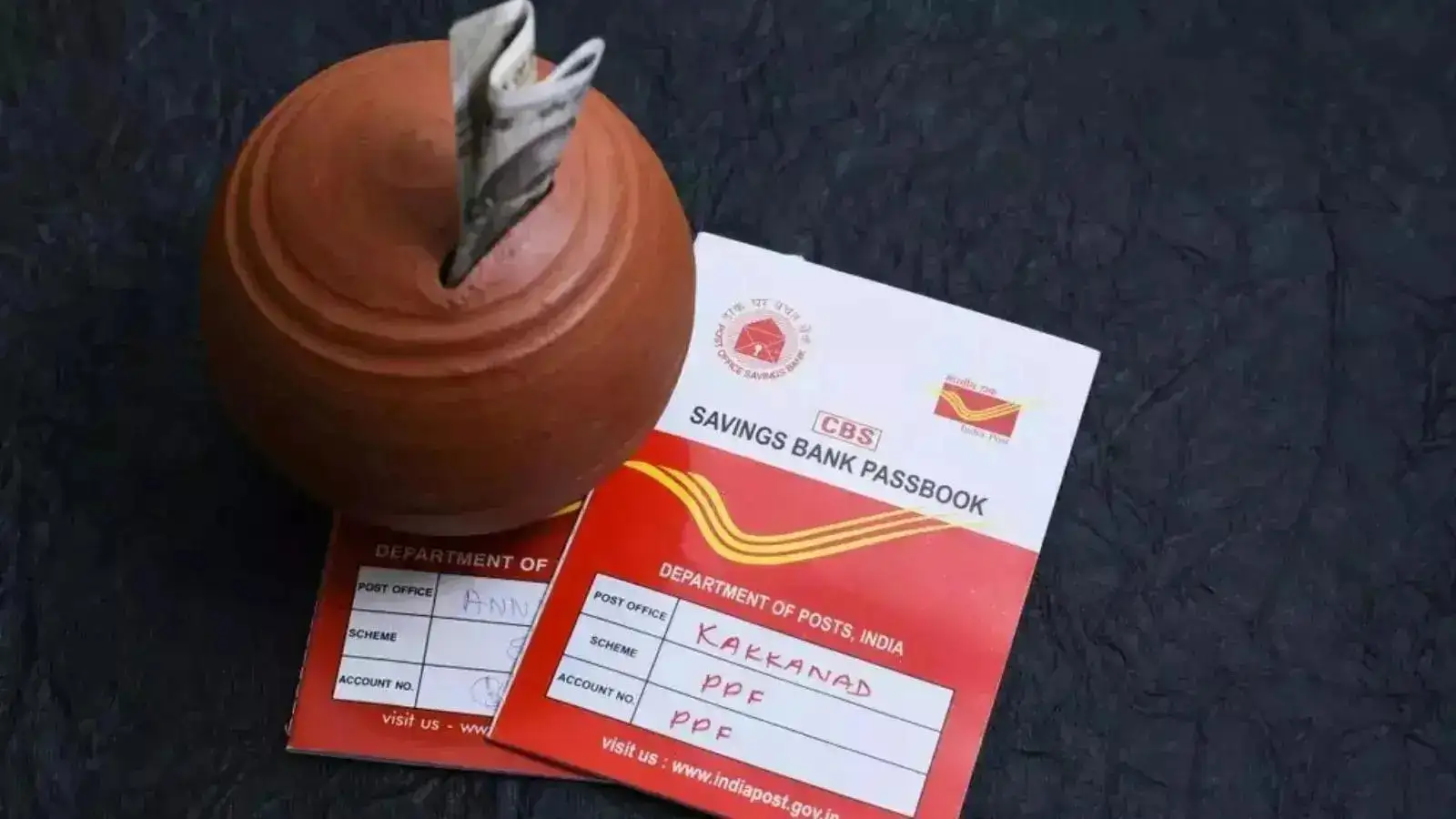
However, investing Rs 15 lakh requires an understanding of account limits, joint ownership and withdrawal conditions. The scheme also has tax implications that can influence the actual returns.
The scheme currently offers an annual interest rate of 7.4%, with payments made every month. An important feature is that the interest rate applicable when the account is opened remains unchanged throughout the five-year tenure.
Investors can start with a minimum deposit of Rs 1,000. Additional investments must be made in multiples of Rs 1,000, subject to the prescribed maximum investment limit.
Unlike market-linked investments, the monthly interest payable under the scheme is predetermined at the time of account opening. This makes it easier for investors to estimate their regular income and plan household expenses.
However, the scheme is primarily intended to generate periodic income. It is not designed to deliver capital appreciation through rising investment values.
The maximum investment limit for an individual account holder is Rs 9 lakh. For a joint account, the combined investment ceiling is Rs 15 lakh. Such an account can have up to three adult holders.
This distinction is important for individuals planning to invest a substantial amount in the scheme. A person cannot simply open multiple individual MIS accounts to increase their personal investment limit.
The prescribed ceiling applies to the investor's total eligible holdings across accounts rather than separately to every account opened.
Joint account holders should also understand how the investment is attributed to each individual. Their respective shares must remain within the applicable individual investment ceiling.
Consequently, investors should check the ownership arrangement and existing MIS deposits of all joint holders before committing Rs 15 lakh.
The estimated interest calculation is as follows:
The original deposit is returned when the account matures after five years.
One point worth remembering is that unclaimed monthly interest does not automatically become part of the principal or earn additional interest under the scheme. Investors should therefore consider how they intend to use or manage these regular payments.
1. Understand the individual and joint investment limits
The maximum permissible deposit is Rs 9 lakh for a single-holder account and Rs 15 lakh for a joint account.
The joint investment limit does not mean that every account holder can independently invest Rs 15 lakh. Individual ownership shares and existing deposits must be considered while checking eligibility.
2. Multiple accounts cannot increase the investment ceiling
Opening several MIS accounts is not a way to bypass the prescribed investment restrictions.
The individual investment ceiling applies to the combined eligible deposits of an investor. Therefore, splitting a large amount across different accounts does not automatically make the additional investment permissible.
Investors should calculate their existing holdings before making another deposit.
3. The investment comes with a five-year maturity period
The Post Office MIS has a fixed tenure of five years. Investors generally receive their deposited principal back at maturity.
However, those who may require immediate access to their money should pay particular attention to the premature closure conditions.
The account cannot be closed during the first year. This means investors should avoid putting money into the scheme if they expect to need the entire amount at short notice.
4. Premature withdrawal can reduce your principal
Early closure is permitted after the first year, but deductions apply depending on how long the account has remained active.
The applicable deductions are:
Investors should also check the prevailing rules before withdrawing because scheme conditions may be revised through government notifications.
5. Monthly interest is subject to income tax
The interest earned through the Post Office Monthly Income Scheme is taxable according to the investor's applicable income tax slab.
The scheme does not qualify for deductions under Section 80C of the Income Tax Act. Therefore, investors should not assume that depositing money in MIS will provide an additional income tax deduction.
The effective post-tax return can differ significantly depending on an individual's taxable income and applicable tax rate.
However, investors should distinguish between interest income and the growth of their original investment.
The scheme pays interest periodically, while the principal remains invested until maturity unless the account is closed prematurely. The monthly interest does not get automatically reinvested or compounded within the MIS account.
This is an important consideration for people whose primary objective is to build wealth over a longer period.
For instance, someone seeking regular support for household expenses may value the monthly payments more than capital growth. On the other hand, an investor focused on increasing the overall value of savings may need to compare MIS with other investment options.
According to financial planning principles, an investment should be assessed against its intended purpose rather than its advertised interest rate alone.
Retired individuals, households with regular monthly expenses and investors looking for a fixed-income component in their savings may find its payment structure useful.
However, it may not be suitable for everyone.
People who need liquidity, expect substantial expenses within the next few years or are primarily seeking long-term capital appreciation should examine other options as well.
The five-year commitment and premature withdrawal deductions make it important to keep sufficient money accessible outside the scheme.
Investors should also consider whether the monthly interest, after accounting for income tax, meets their financial requirements.
The following considerations can help avoid problems later:
A financial adviser can help assess whether the scheme fits an individual's income requirements, liquidity needs and broader financial objectives.
Disclaimer: This article is intended for informational purposes only and should not be considered financial or investment advice. Interest rates, investment limits, taxation rules and withdrawal conditions may change. Investors should verify the latest scheme guidelines before making any investment decision.
However, investing Rs 15 lakh requires an understanding of account limits, joint ownership and withdrawal conditions. The scheme also has tax implications that can influence the actual returns.
How Does the Post Office Monthly Income Scheme Work?
The Post Office Monthly Income Scheme is designed for individuals who prefer a regular income from their savings rather than depending on market movements. It provides monthly interest payments over a fixed investment period of five years.The scheme currently offers an annual interest rate of 7.4%, with payments made every month. An important feature is that the interest rate applicable when the account is opened remains unchanged throughout the five-year tenure.
Investors can start with a minimum deposit of Rs 1,000. Additional investments must be made in multiples of Rs 1,000, subject to the prescribed maximum investment limit.
Unlike market-linked investments, the monthly interest payable under the scheme is predetermined at the time of account opening. This makes it easier for investors to estimate their regular income and plan household expenses.
However, the scheme is primarily intended to generate periodic income. It is not designed to deliver capital appreciation through rising investment values.
Can You Invest Rs 15 Lakh in Post Office MIS?
Yes, an investment of Rs 15 lakh is permitted, but it requires a joint account.The maximum investment limit for an individual account holder is Rs 9 lakh. For a joint account, the combined investment ceiling is Rs 15 lakh. Such an account can have up to three adult holders.
This distinction is important for individuals planning to invest a substantial amount in the scheme. A person cannot simply open multiple individual MIS accounts to increase their personal investment limit.
The prescribed ceiling applies to the investor's total eligible holdings across accounts rather than separately to every account opened.
Joint account holders should also understand how the investment is attributed to each individual. Their respective shares must remain within the applicable individual investment ceiling.
Consequently, investors should check the ownership arrangement and existing MIS deposits of all joint holders before committing Rs 15 lakh.
How Much Monthly Income Can a Rs 15 Lakh Deposit Generate?
At the current annual interest rate of 7.4%, a joint investment of Rs 15 lakh can generate a substantial regular income.The estimated interest calculation is as follows:
- Total investment: Rs 15,00,000
- Annual interest rate: 7.4%
- Annual interest income: Rs 1,11,000
- Monthly interest payment: Rs 9,250
- Total interest over five years: Rs 5,55,000
- Principal returned at maturity: Rs 15,00,000
The original deposit is returned when the account matures after five years.
One point worth remembering is that unclaimed monthly interest does not automatically become part of the principal or earn additional interest under the scheme. Investors should therefore consider how they intend to use or manage these regular payments.
Five Important Rules to Understand Before Investing
Although the monthly income can appear attractive, investors should examine the scheme's conditions before opening an account.1. Understand the individual and joint investment limits
The maximum permissible deposit is Rs 9 lakh for a single-holder account and Rs 15 lakh for a joint account.
The joint investment limit does not mean that every account holder can independently invest Rs 15 lakh. Individual ownership shares and existing deposits must be considered while checking eligibility.
2. Multiple accounts cannot increase the investment ceiling
Opening several MIS accounts is not a way to bypass the prescribed investment restrictions.
The individual investment ceiling applies to the combined eligible deposits of an investor. Therefore, splitting a large amount across different accounts does not automatically make the additional investment permissible.
Investors should calculate their existing holdings before making another deposit.
3. The investment comes with a five-year maturity period
The Post Office MIS has a fixed tenure of five years. Investors generally receive their deposited principal back at maturity.
However, those who may require immediate access to their money should pay particular attention to the premature closure conditions.
The account cannot be closed during the first year. This means investors should avoid putting money into the scheme if they expect to need the entire amount at short notice.
4. Premature withdrawal can reduce your principal
Early closure is permitted after the first year, but deductions apply depending on how long the account has remained active.
The applicable deductions are:
- After one year but before three years: 2% deduction from the deposited amount.
- After three years but before five years: 1% deduction from the deposited amount.
Investors should also check the prevailing rules before withdrawing because scheme conditions may be revised through government notifications.
5. Monthly interest is subject to income tax
The interest earned through the Post Office Monthly Income Scheme is taxable according to the investor's applicable income tax slab.
The scheme does not qualify for deductions under Section 80C of the Income Tax Act. Therefore, investors should not assume that depositing money in MIS will provide an additional income tax deduction.
The effective post-tax return can differ significantly depending on an individual's taxable income and applicable tax rate.
Why the Monthly Interest Should Not Be Confused With Total Investment Returns
A regular payment of Rs 9,250 may provide useful financial support, particularly for households that need a predictable monthly income.However, investors should distinguish between interest income and the growth of their original investment.
The scheme pays interest periodically, while the principal remains invested until maturity unless the account is closed prematurely. The monthly interest does not get automatically reinvested or compounded within the MIS account.
This is an important consideration for people whose primary objective is to build wealth over a longer period.
For instance, someone seeking regular support for household expenses may value the monthly payments more than capital growth. On the other hand, an investor focused on increasing the overall value of savings may need to compare MIS with other investment options.
According to financial planning principles, an investment should be assessed against its intended purpose rather than its advertised interest rate alone.
Who Should Consider Investing in Post Office MIS?
The scheme may appeal to individuals who prioritise predictable income and prefer to avoid the uncertainty associated with market-linked investments.Retired individuals, households with regular monthly expenses and investors looking for a fixed-income component in their savings may find its payment structure useful.
However, it may not be suitable for everyone.
People who need liquidity, expect substantial expenses within the next few years or are primarily seeking long-term capital appreciation should examine other options as well.
The five-year commitment and premature withdrawal deductions make it important to keep sufficient money accessible outside the scheme.
Investors should also consider whether the monthly interest, after accounting for income tax, meets their financial requirements.
What to Check Before Depositing Rs 15 Lakh
Before opening a Post Office MIS account, investors should review their existing savings, monthly income requirements and future financial commitments.The following considerations can help avoid problems later:
- Investment eligibility: Verify that the proposed deposit complies with individual and joint account limits.
- Monthly income requirements: Calculate whether the expected interest payment is sufficient for regular expenses.
- Liquidity needs: Keep emergency funds separate from money committed to the five-year scheme.
- Tax liability: Estimate the post-tax interest income based on the applicable income tax slab.
- Premature closure conditions: Understand the deductions that apply if the investment needs to be withdrawn early.
- Long-term objectives: Decide whether regular income or capital appreciation is the primary investment goal.
A financial adviser can help assess whether the scheme fits an individual's income requirements, liquidity needs and broader financial objectives.
Disclaimer: This article is intended for informational purposes only and should not be considered financial or investment advice. Interest rates, investment limits, taxation rules and withdrawal conditions may change. Investors should verify the latest scheme guidelines before making any investment decision.
Next Story