
Post Office MIS: Invest Rs 9 Lakh And Earn Rs 5,550 Every Month For Five Years, Check The Tax Rules

Investors looking for predictable returns often consider government-backed savings schemes instead of market-linked products. The Post Office Monthly Income Scheme (POMIS) is one such option, offering a fixed interest payout every month over a five-year investment period.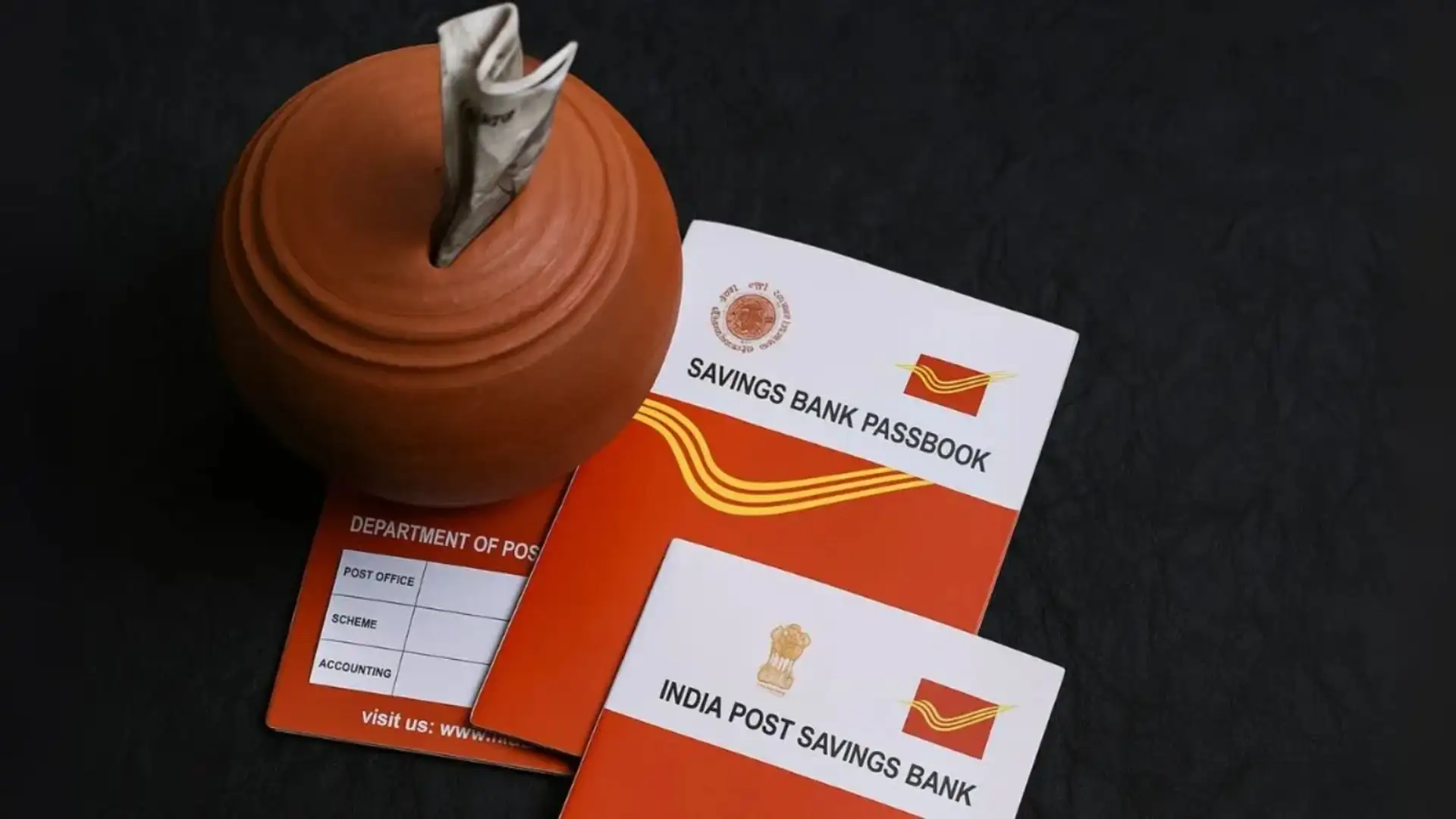
With an annual interest rate of 7.4%, a maximum eligible deposit of Rs 9 lakh can generate Rs 5,550 per month. However, before opening an account, investors should understand how the interest is paid, what happens to unclaimed earnings and whether the returns attract income tax.
Investors deposit a lump sum for a fixed period of five years. The scheme pays interest every month, allowing account holders to receive a predictable amount without waiting for the investment to mature.
The minimum investment starts at Rs 1,000, while the maximum deposit limit for an individual account is Rs 9 lakh. The applicable investment limits and account conditions should be checked before opening an account.
The scheme may be worth considering for retirees, senior citizens and individuals who prefer a regular cash flow. Since the interest rate is fixed for the applicable investment period, investors can calculate their expected monthly earnings in advance.
However, POMIS should not be confused with a conventional fixed deposit. Its interest is distributed monthly rather than being accumulated and compounded with the original investment.
Here is an illustration of the potential earnings:
Annual interest
Rs 66,600
Total interest over five years
Rs 3,33,000
Original deposit
Rs 9,00,000
Total amount received over five yearsRs 12,33,000
Illustration assumes the 7.4% rate applies throughout the five-year tenure and all monthly interest payments are received. Tax is not deducted from these figures.
This means the investor receives Rs 5,550 every month for the entire five-year period, provided the applicable scheme conditions are met.
Over 60 months, the total interest works out to Rs 3.33 lakh. The original deposit remains separate and is repayable at maturity, subject to the scheme's rules.
It is important to remember that the monthly payout is interest income, not an additional return generated through compounding.
If an account holder leaves the interest unclaimed, the amount does not get added to the original deposit to generate further earnings. Instead, it remains unproductive and does not earn additional interest under the scheme.
This is different from certain fixed deposit options where interest can be accumulated and compounded, depending on the selected payout arrangement.
To make the most of the monthly income facility, investors can arrange for the interest to be credited to a linked Post Office savings account. The money can then be withdrawn or used for regular expenses.
For example, someone receiving Rs 5,550 every month could use the amount towards household bills, medical expenses or other recurring financial commitments.
According to financial planners, investors should decide how they intend to use these payouts before choosing the scheme. Those who do not need immediate income may want to compare POMIS with other savings products that offer accumulation or reinvestment options.
The interest earned through the scheme is taxable under the applicable income tax rules. It must be included in the investor's total income for the relevant financial year and taxed according to the applicable tax regime and income tax slab.
An important point is that the tax liability does not depend on whether the investor actually withdraws the monthly interest.
For instance, if an account holder earns Rs 66,600 in interest during a financial year but leaves the entire amount in the account, the earnings do not become tax-free. The interest is still treated as income earned during that year.
Investors should therefore account for the tax implications while calculating the actual returns from the scheme.
Another limitation concerns Section 80C of the Income Tax Act. Deposits made under POMIS do not qualify for tax deductions under this section. Consequently, investors should not assume that putting money into the scheme will reduce their taxable income.
Its fixed monthly payouts may be useful for retirees and households that need an additional source of regular income. However, the absence of automatic interest reinvestment and the tax treatment of earnings are important considerations.
Investors should also compare the scheme's tenure, withdrawal conditions, prevailing interest rate and investment limits with other available savings options.
Ultimately, the suitability of POMIS depends on whether regular monthly income is more important than long-term compounding or tax-saving benefits. Understanding these differences can help investors make a more informed decision before committing their savings.
Disclaimer: This article is for informational purposes only and should not be considered financial, investment or tax advice. Interest rates and scheme conditions may change. Investors should verify the latest rules with India Post and consult a qualified financial or tax professional before investing.
With an annual interest rate of 7.4%, a maximum eligible deposit of Rs 9 lakh can generate Rs 5,550 per month. However, before opening an account, investors should understand how the interest is paid, what happens to unclaimed earnings and whether the returns attract income tax.
How Does The Post Office Monthly Income Scheme Work?
POMIS is a small savings scheme operated through India Post. Its main attraction is the provision of regular interest income rather than wealth creation through market-linked returns.Investors deposit a lump sum for a fixed period of five years. The scheme pays interest every month, allowing account holders to receive a predictable amount without waiting for the investment to mature.
The minimum investment starts at Rs 1,000, while the maximum deposit limit for an individual account is Rs 9 lakh. The applicable investment limits and account conditions should be checked before opening an account.
The scheme may be worth considering for retirees, senior citizens and individuals who prefer a regular cash flow. Since the interest rate is fixed for the applicable investment period, investors can calculate their expected monthly earnings in advance.
However, POMIS should not be confused with a conventional fixed deposit. Its interest is distributed monthly rather than being accumulated and compounded with the original investment.
Rs 9 Lakh Investment : How Much Monthly Interest Can You Earn?
The monthly payout depends on the amount deposited and the applicable annual interest rate. At an interest rate of 7.4%, an investment of Rs 9 lakh can generate a fixed monthly income.Here is an illustration of the potential earnings:
- Total investment: Rs 9,00,000
- Annual interest rate: 7.4%
- Total interest per year: Rs 66,600
- Monthly interest: Rs 5,550
- Investment tenure: Five years
Rs 5,550
On a Rs 9 lakh deposit at 7.4% per annumAnnual interest
Rs 66,600
Total interest over five years
Rs 3,33,000
Original deposit
Rs 9,00,000
Total amount received over five yearsRs 12,33,000
Illustration assumes the 7.4% rate applies throughout the five-year tenure and all monthly interest payments are received. Tax is not deducted from these figures.
This means the investor receives Rs 5,550 every month for the entire five-year period, provided the applicable scheme conditions are met.
Over 60 months, the total interest works out to Rs 3.33 lakh. The original deposit remains separate and is repayable at maturity, subject to the scheme's rules.
It is important to remember that the monthly payout is interest income, not an additional return generated through compounding.
What Happens If You Do Not Withdraw The Monthly Interest?
One aspect investors should understand is that POMIS does not automatically reinvest unpaid monthly interest.If an account holder leaves the interest unclaimed, the amount does not get added to the original deposit to generate further earnings. Instead, it remains unproductive and does not earn additional interest under the scheme.
This is different from certain fixed deposit options where interest can be accumulated and compounded, depending on the selected payout arrangement.
To make the most of the monthly income facility, investors can arrange for the interest to be credited to a linked Post Office savings account. The money can then be withdrawn or used for regular expenses.
For example, someone receiving Rs 5,550 every month could use the amount towards household bills, medical expenses or other recurring financial commitments.
According to financial planners, investors should decide how they intend to use these payouts before choosing the scheme. Those who do not need immediate income may want to compare POMIS with other savings products that offer accumulation or reinvestment options.
Is Post Office MIS Interest Taxable?
The government-backed nature of POMIS does not mean that its interest income is exempt from income tax.The interest earned through the scheme is taxable under the applicable income tax rules. It must be included in the investor's total income for the relevant financial year and taxed according to the applicable tax regime and income tax slab.
An important point is that the tax liability does not depend on whether the investor actually withdraws the monthly interest.
For instance, if an account holder earns Rs 66,600 in interest during a financial year but leaves the entire amount in the account, the earnings do not become tax-free. The interest is still treated as income earned during that year.
Investors should therefore account for the tax implications while calculating the actual returns from the scheme.
Another limitation concerns Section 80C of the Income Tax Act. Deposits made under POMIS do not qualify for tax deductions under this section. Consequently, investors should not assume that putting money into the scheme will reduce their taxable income.
Is POMIS Suitable For Your Financial Goals?
The Post Office Monthly Income Scheme can be considered by individuals who prioritise predictable income and capital protection through a government-backed savings product.Its fixed monthly payouts may be useful for retirees and households that need an additional source of regular income. However, the absence of automatic interest reinvestment and the tax treatment of earnings are important considerations.
Investors should also compare the scheme's tenure, withdrawal conditions, prevailing interest rate and investment limits with other available savings options.
Ultimately, the suitability of POMIS depends on whether regular monthly income is more important than long-term compounding or tax-saving benefits. Understanding these differences can help investors make a more informed decision before committing their savings.
Disclaimer: This article is for informational purposes only and should not be considered financial, investment or tax advice. Interest rates and scheme conditions may change. Investors should verify the latest rules with India Post and consult a qualified financial or tax professional before investing.
Next Story