
Red Sea hit, Hormuz choked: How Saudi Arabia has kept its oil exports moving


Saudi Arabia has ramped up crude exports through the Strait of Hormuz after attacks on its East-West oil pipeline disrupted a key alternative route for the Kingdom’s exports.
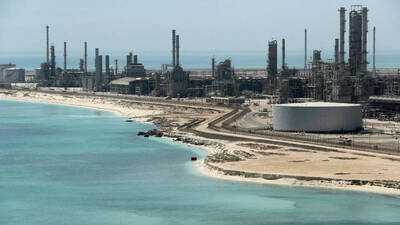
Saudi Aramco loaded about 14 million barrels of crude on seven very large crude carriers (VLCCs) inside the Mideast Gulf on Sunday, according to TankerTrackers.com data. Satellite images seen by Reuters also appeared to show seven tankers near Saudi Arabia's Ras Tanura port on the same day.
The pipeline attacks forced Saudi Arabia to shut its East-West oil pipeline on September 13, halting crude loadings at the kingdom's Yanbu oil port on the Red Sea. Since September 16, there have been no visible oil loadings from Yanbu.
Following the disruption, Aramco cancelled some crude cargo sales to European clients while increasing sales to Asia of crude loaded at its eastern ports inside the Strait of Hormuz.
Saudi shipments show signs of recovery
The rise in Gulf loadings adds to signs of a partial recovery in Saudi crude shipments. In a note cited by Reuters, JP Morgan analysts said Saudi oil was moving through the Strait of Hormuz averaged 2.9 million barrels per day over the previous six days, up from just 700,000 bpd in August.
Kpler data showed that 22 tankers, mostly VLCCs, carrying 42 million barrels of crude exited the Strait of Hormuz in the week of September 13. Saudi Arabia and Iraq each accounted for 43% of the volume.
Saudi Arabia has also sold about 60 million barrels of crude from its Ras Tanura port inside the Strait of Hormuz for loading through ship-to-ship transfers at Oman's Sohar port this month and next, trade sources told Reuters last week.
The increase in shipments came as expectations of higher Saudi supplies weighed on oil prices on Monday, pushing the Brent benchmark below $100 a barrel for the first time since September 9.
Hormuz traffic remains below normal While Saudi crude shipments have increased, overall traffic through the Strait of Hormuz remains sharply lower as tensions in the Gulf continue, with the US and Iran in stalemate.
Shipping data showed that 17 commodity vessels transited the strait over the weekend, down from 37 a week earlier.
Visible traffic through the strait, which handled a fifth of the world's oil and liquefied natural gas before the war, has fallen to a trickle. Middle Eastern producers, however, continue to export oil on tankers travelling with their transponders switched off.
Among trackable ships, five vessels exited the strait on Sunday, while two smaller oil tankers entered the Gulf, according to provisional data from analytics firm Kpler.
The vessels that exited included the very large crude carrier Pinios, two tankers carrying refined oil products and two empty carriers for bulk goods and gas.
At the Bab el-Mandeb Strait at the southern end of the Red Sea, 51 vessels made the crossing, with 33 exiting over the weekend. These included an Aframax-sized tanker carrying about 700,000 barrels of Saudi crude, according to Kpler data.
That was down from 57 vessels during the previous weekend.
Meanwhile, chaos in the Middle East has continued to disrupt global oil supplies for over six months now, with no peaceful resolution in sight.
Saudi Aramco loaded about 14 million barrels of crude on seven very large crude carriers (VLCCs) inside the Mideast Gulf on Sunday, according to TankerTrackers.com data. Satellite images seen by Reuters also appeared to show seven tankers near Saudi Arabia's Ras Tanura port on the same day.
The pipeline attacks forced Saudi Arabia to shut its East-West oil pipeline on September 13, halting crude loadings at the kingdom's Yanbu oil port on the Red Sea. Since September 16, there have been no visible oil loadings from Yanbu.
Following the disruption, Aramco cancelled some crude cargo sales to European clients while increasing sales to Asia of crude loaded at its eastern ports inside the Strait of Hormuz.
Saudi shipments show signs of recovery
The rise in Gulf loadings adds to signs of a partial recovery in Saudi crude shipments. In a note cited by Reuters, JP Morgan analysts said Saudi oil was moving through the Strait of Hormuz averaged 2.9 million barrels per day over the previous six days, up from just 700,000 bpd in August.
Kpler data showed that 22 tankers, mostly VLCCs, carrying 42 million barrels of crude exited the Strait of Hormuz in the week of September 13. Saudi Arabia and Iraq each accounted for 43% of the volume.
Saudi Arabia has also sold about 60 million barrels of crude from its Ras Tanura port inside the Strait of Hormuz for loading through ship-to-ship transfers at Oman's Sohar port this month and next, trade sources told Reuters last week.
The increase in shipments came as expectations of higher Saudi supplies weighed on oil prices on Monday, pushing the Brent benchmark below $100 a barrel for the first time since September 9.
Hormuz traffic remains below normal While Saudi crude shipments have increased, overall traffic through the Strait of Hormuz remains sharply lower as tensions in the Gulf continue, with the US and Iran in stalemate.
Shipping data showed that 17 commodity vessels transited the strait over the weekend, down from 37 a week earlier.
Visible traffic through the strait, which handled a fifth of the world's oil and liquefied natural gas before the war, has fallen to a trickle. Middle Eastern producers, however, continue to export oil on tankers travelling with their transponders switched off.
Among trackable ships, five vessels exited the strait on Sunday, while two smaller oil tankers entered the Gulf, according to provisional data from analytics firm Kpler.
The vessels that exited included the very large crude carrier Pinios, two tankers carrying refined oil products and two empty carriers for bulk goods and gas.
At the Bab el-Mandeb Strait at the southern end of the Red Sea, 51 vessels made the crossing, with 33 exiting over the weekend. These included an Aframax-sized tanker carrying about 700,000 barrels of Saudi crude, according to Kpler data.
That was down from 57 vessels during the previous weekend.
Meanwhile, chaos in the Middle East has continued to disrupt global oil supplies for over six months now, with no peaceful resolution in sight.
Next Story