
Travelling Abroad From India? How To Split Your Holiday Budget Between Cash, Forex Cards And Credit Cards

An international holiday requires careful financial planning, particularly when it comes to managing money in a foreign country. Flight tickets and accommodation may account for a substantial portion of the budget, but payment choices during the trip can also influence overall spending.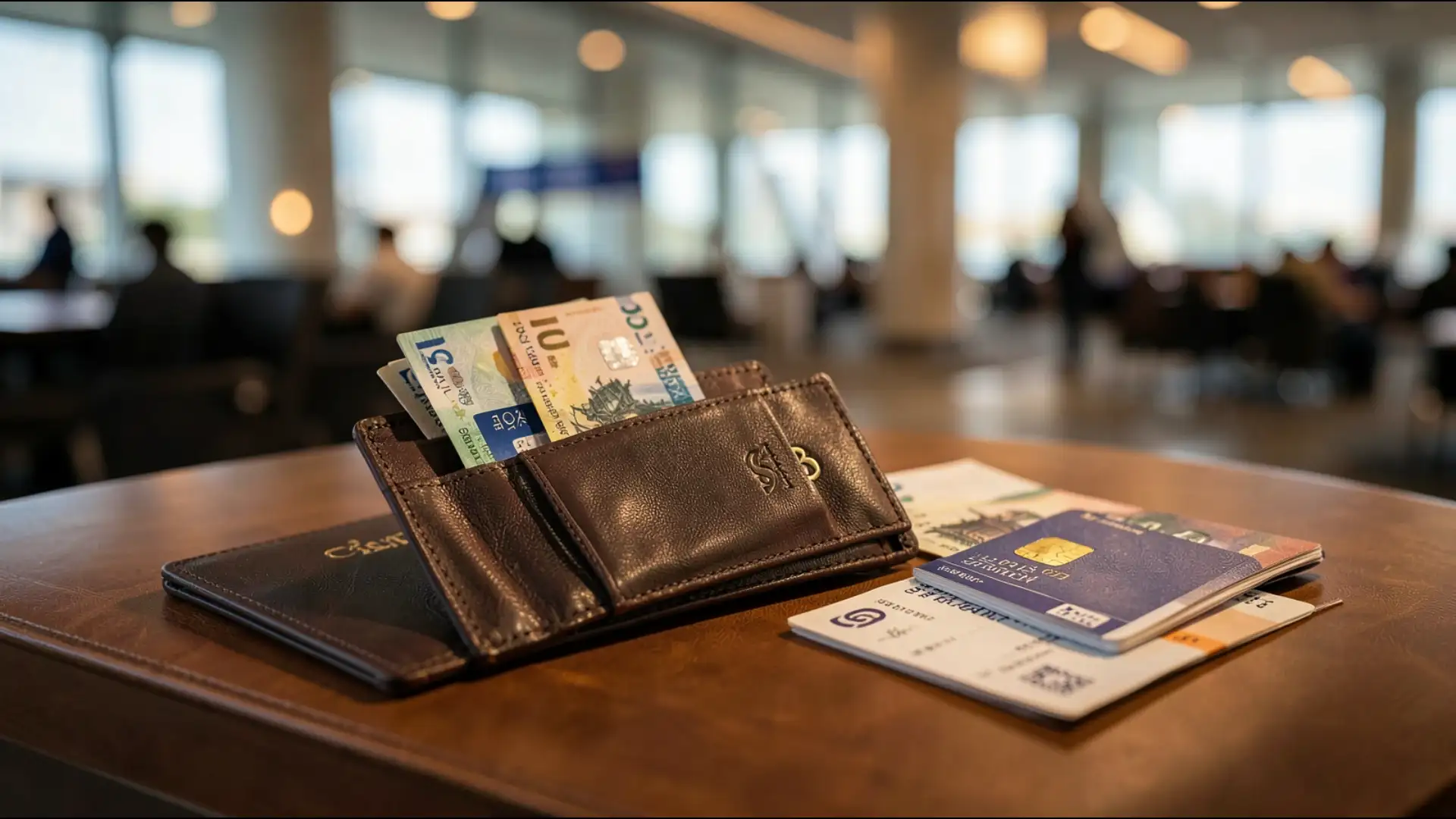
Indian travellers need to consider whether to carry foreign currency, use a prepaid forex card or pay through an international credit card. A well-planned combination of these options can help manage expenses while providing access to funds if a payment method becomes unavailable.
Sai Shankar, Chief Business Officer at Niyo Forex, suggests an indicative allocation that can help travellers organise their money before departure.
According to his recommendation, the travel budget could be divided as follows:
For instance, a holiday in a country where cash is frequently used may require a larger physical currency reserve. In destinations with widespread contactless payment facilities, electronic payment options may be more convenient.
Keeping a separate emergency reserve can also help prevent an unexpected payment problem from disrupting the entire trip.
A prepaid forex card allows travellers to load foreign currency before leaving India. Depending on the card, users may be able to maintain balances in several currencies, making it useful for trips involving multiple countries.
One potential advantage is the ability to purchase foreign currency in advance at an available exchange rate. This can help travellers plan their spending against a preloaded balance.
However, forex cards may involve issuance charges, loading fees, currency conversion costs and ATM withdrawal fees. Charges for converting unused foreign currency back into another currency may also apply.
An international credit card, meanwhile, allows the cardholder to make payments against an available credit limit. An international debit card deducts transactions from the linked bank account.
Some cards offer zero foreign exchange markup, which can reduce the additional cost associated with overseas transactions. However, the exchange rate and other applicable charges still need to be considered.
According to Shankar, both prepaid forex cards and international credit or debit cards can offer zero forex markup. Therefore, travellers should compare the complete fee structure rather than assume that one type of card is automatically cheaper.
Travellers should examine the following charges before selecting a payment option.
A lower markup can help reduce costs when making frequent overseas purchases.
The rate offered by the card issuer or forex provider may differ from the prevailing market rate. Travellers should therefore compare the actual conversion rate alongside other charges.
Some providers may also impose fees when unused balances are withdrawn or converted after the trip. These expenses should be included in the overall cost comparison.
A card that offers free withdrawals within a specified limit may be more economical for travellers who expect to need cash frequently.
Some overseas merchants may also impose a surcharge on card transactions. Travellers should check whether such charges apply before completing a payment.
Cards offering zero forex markup and no annual fees may provide better value for certain users. However, benefits such as reward points and airport lounge access may be subject to eligibility requirements or spending conditions.
However, the cost depends on the payment card, the bank issuing it and the ATM operator.
A prepaid forex card may impose a fixed withdrawal fee, while certain international debit cards may offer reduced charges or free withdrawals within specific limits. Overseas ATM operators can levy separate fees regardless of the card's benefits.
Credit card cash withdrawals generally require greater caution.
Such transactions are usually treated as cash advances and may attract a withdrawal fee, foreign exchange markup and interest from the date of the transaction. They generally do not qualify for the usual interest-free period available on purchases.
Before withdrawing money abroad, travellers should review their card's ATM limits, applicable charges and any free-withdrawal allowances.
Another important consideration is Dynamic Currency Conversion (DCC).
When paying at an overseas merchant or withdrawing money from an ATM, travellers may be offered the option of converting the transaction into Indian rupees rather than the local currency.
This conversion may involve an unfavourable exchange rate or additional charges. Choosing to pay in the local currency is generally preferable, although the final cost will still depend on the card issuer's conversion terms.
A card may become unavailable because of loss, theft, technical problems, security restrictions or a declined transaction. If the traveller has no alternative source of funds, even routine expenses can become challenging.
Shankar recommends maintaining multiple independent payment options.
Travellers can carry a reasonable amount of physical cash, use a primary forex or international card for regular transactions and keep a separate backup card for emergencies.
The backup card should ideally be stored separately from the primary payment card. This can help reduce the risk of losing access to both at the same time.
Before departure, travellers should also take a few practical precautions:
A prepaid forex card may suit those who prefer loading currency in advance, while an international credit or debit card can offer flexibility for everyday transactions. Physical cash remains useful for smaller payments and situations where electronic facilities are unavailable.
The most suitable combination depends on the destination, spending habits and the terms of the available cards.
Ultimately, comparing exchange rates and fees before departure, carrying more than one payment option and avoiding unnecessary ATM withdrawals can help Indian travellers manage overseas expenses more efficiently.
Disclaimer: This article is for informational purposes only and should not be considered financial advice. Foreign exchange rates, card fees, ATM charges and payment conditions vary across issuers, providers and destinations. Travellers should review the applicable terms and conditions of their forex cards, credit cards and debit cards before making financial decisions.
Indian travellers need to consider whether to carry foreign currency, use a prepaid forex card or pay through an international credit card. A well-planned combination of these options can help manage expenses while providing access to funds if a payment method becomes unavailable.
How Should You Divide Your International Travel Budget?
There is no single payment strategy that works for every overseas trip. The amount of cash and card-based funds a traveller needs depends on the destination, duration of the holiday, planned activities and availability of electronic payment facilities.Sai Shankar, Chief Business Officer at Niyo Forex, suggests an indicative allocation that can help travellers organise their money before departure.
According to his recommendation, the travel budget could be divided as follows:
- Physical cash: 10-20% of the total budget for smaller purchases, tips, local transport and establishments that do not accept cards.
- Cards: 60-70% of the budget for routine transactions, including accommodation, shopping and restaurant payments. This allocation can be distributed between prepaid forex cards and international credit or debit cards.
- Emergency reserve: 10-20% kept separately to deal with unexpected expenses, declined transactions or payment disruptions.
For instance, a holiday in a country where cash is frequently used may require a larger physical currency reserve. In destinations with widespread contactless payment facilities, electronic payment options may be more convenient.
Keeping a separate emergency reserve can also help prevent an unexpected payment problem from disrupting the entire trip.
Forex Card Vs Credit Card : Which Is More Cost-Effective?
Choosing between a prepaid forex card and an international credit or debit card requires more than comparing advertised foreign exchange markups.A prepaid forex card allows travellers to load foreign currency before leaving India. Depending on the card, users may be able to maintain balances in several currencies, making it useful for trips involving multiple countries.
One potential advantage is the ability to purchase foreign currency in advance at an available exchange rate. This can help travellers plan their spending against a preloaded balance.
However, forex cards may involve issuance charges, loading fees, currency conversion costs and ATM withdrawal fees. Charges for converting unused foreign currency back into another currency may also apply.
An international credit card, meanwhile, allows the cardholder to make payments against an available credit limit. An international debit card deducts transactions from the linked bank account.
Some cards offer zero foreign exchange markup, which can reduce the additional cost associated with overseas transactions. However, the exchange rate and other applicable charges still need to be considered.
According to Shankar, both prepaid forex cards and international credit or debit cards can offer zero forex markup. Therefore, travellers should compare the complete fee structure rather than assume that one type of card is automatically cheaper.
5 International Card Charges To Check Before Travelling
The advertised foreign exchange markup is only one component of the total cost of using a card abroad.Travellers should examine the following charges before selecting a payment option.
1. Foreign Exchange Markup
This is the additional fee charged by the card issuer for international transactions over the applicable currency conversion rate.A lower markup can help reduce costs when making frequent overseas purchases.
2. Currency Conversion Rate
Even when a card advertises zero forex markup, the exchange rate applied to the transaction matters.The rate offered by the card issuer or forex provider may differ from the prevailing market rate. Travellers should therefore compare the actual conversion rate alongside other charges.
3. Forex Card Loading And Unloading Fees
Prepaid forex cards may involve charges when foreign currency is loaded onto the card.Some providers may also impose fees when unused balances are withdrawn or converted after the trip. These expenses should be included in the overall cost comparison.
4. ATM Withdrawal Charges
Foreign ATM withdrawals can attract fees from the card issuer and the overseas ATM operator.A card that offers free withdrawals within a specified limit may be more economical for travellers who expect to need cash frequently.
5. Annual Fees And Merchant Surcharges
Joining and annual fees can affect the value of a card, particularly for people who travel internationally only occasionally.Some overseas merchants may also impose a surcharge on card transactions. Travellers should check whether such charges apply before completing a payment.
Cards offering zero forex markup and no annual fees may provide better value for certain users. However, benefits such as reward points and airport lounge access may be subject to eligibility requirements or spending conditions.
Is Using An Overseas ATM A Cheaper Way To Get Foreign Currency?
Withdrawing cash from an international ATM can be convenient when travellers run short of physical currency.However, the cost depends on the payment card, the bank issuing it and the ATM operator.
A prepaid forex card may impose a fixed withdrawal fee, while certain international debit cards may offer reduced charges or free withdrawals within specific limits. Overseas ATM operators can levy separate fees regardless of the card's benefits.
Credit card cash withdrawals generally require greater caution.
Such transactions are usually treated as cash advances and may attract a withdrawal fee, foreign exchange markup and interest from the date of the transaction. They generally do not qualify for the usual interest-free period available on purchases.
Before withdrawing money abroad, travellers should review their card's ATM limits, applicable charges and any free-withdrawal allowances.
Another important consideration is Dynamic Currency Conversion (DCC).
When paying at an overseas merchant or withdrawing money from an ATM, travellers may be offered the option of converting the transaction into Indian rupees rather than the local currency.
This conversion may involve an unfavourable exchange rate or additional charges. Choosing to pay in the local currency is generally preferable, although the final cost will still depend on the card issuer's conversion terms.
Why Travellers Should Carry More Than One Payment Option
Depending entirely on a single forex card or credit card can create difficulties during an overseas holiday.A card may become unavailable because of loss, theft, technical problems, security restrictions or a declined transaction. If the traveller has no alternative source of funds, even routine expenses can become challenging.
Shankar recommends maintaining multiple independent payment options.
Travellers can carry a reasonable amount of physical cash, use a primary forex or international card for regular transactions and keep a separate backup card for emergencies.
The backup card should ideally be stored separately from the primary payment card. This can help reduce the risk of losing access to both at the same time.
Before departure, travellers should also take a few practical precautions:
- Save the card issuer's international customer support number.
- Enable transaction alerts to monitor overseas spending.
- Check whether international transactions are activated.
- Understand the card's ATM withdrawal limits.
- Review the procedure for blocking a lost or stolen card.
- Keep emergency funds accessible through a separate payment method.
Smart Money Planning Can Make Overseas Travel Easier
Managing foreign currency is an important part of preparing for an international holiday. Travellers who compare card charges, plan their cash requirements and maintain a separate emergency reserve can make more informed payment decisions.A prepaid forex card may suit those who prefer loading currency in advance, while an international credit or debit card can offer flexibility for everyday transactions. Physical cash remains useful for smaller payments and situations where electronic facilities are unavailable.
The most suitable combination depends on the destination, spending habits and the terms of the available cards.
Ultimately, comparing exchange rates and fees before departure, carrying more than one payment option and avoiding unnecessary ATM withdrawals can help Indian travellers manage overseas expenses more efficiently.
Disclaimer: This article is for informational purposes only and should not be considered financial advice. Foreign exchange rates, card fees, ATM charges and payment conditions vary across issuers, providers and destinations. Travellers should review the applicable terms and conditions of their forex cards, credit cards and debit cards before making financial decisions.
Next Story