
UPI MDR From October 15, 2026: 7 Transactions Where You Won’t Pay MDR

The proposed implementation of MDR, or Merchant Discount Rate , on UPI transactions has raised questions about which payments will attract the charge. However, MDR will not apply to every UPI payment. From October 15, 2026, the new framework will cover only select merchant transactions.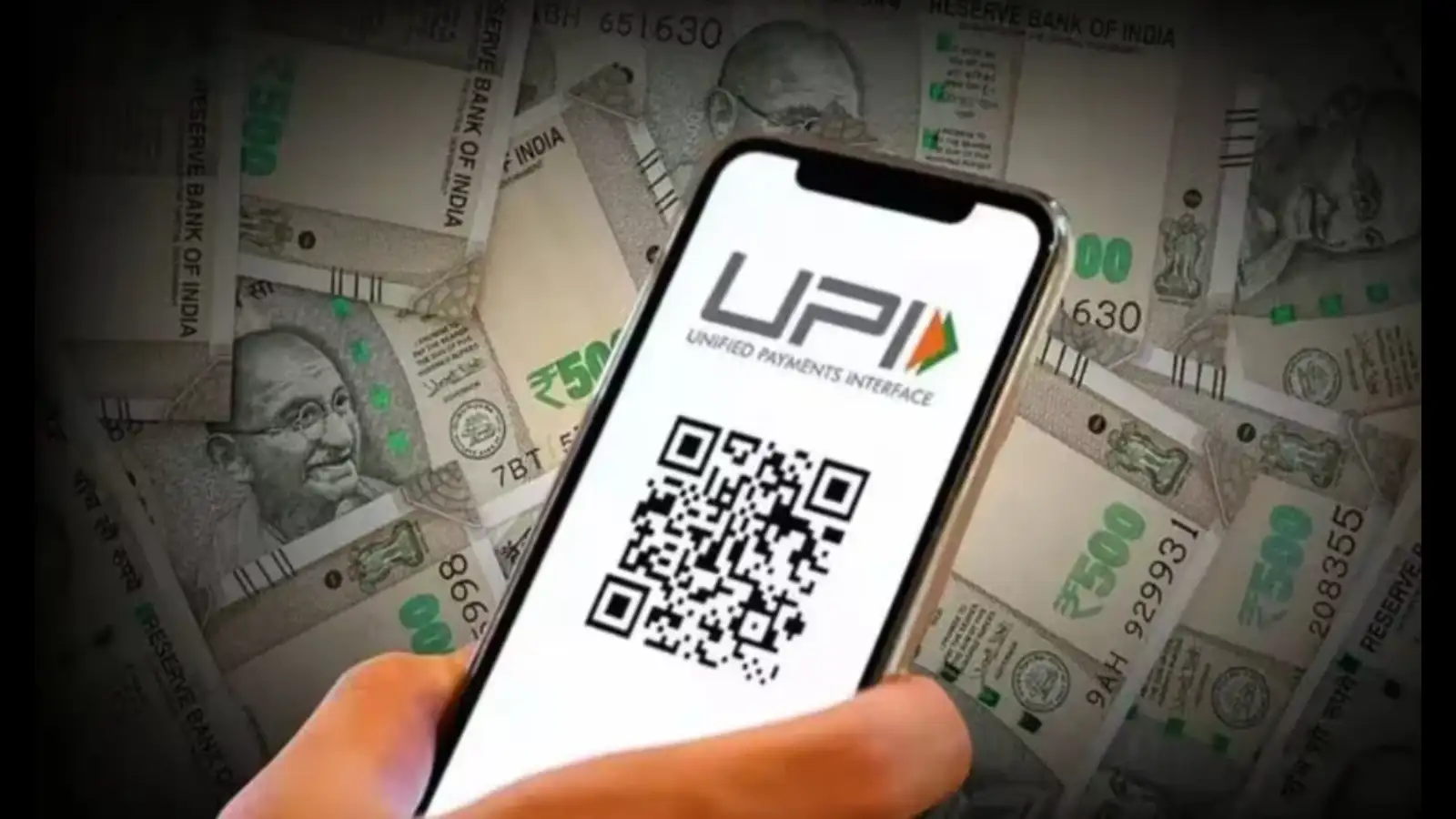
Here are seven types of UPI transactions where MDR will not be applicable.
So, sending money from one person's bank account to another through UPI will not attract a separate MDR charge.
Merchants classified under the P2PM category who receive up to ₹1 lakh per month through UPI QR will be subject to zero MDR on their transactions.
However, there is an important difference. MDR may apply to certain merchant transactions above ₹2,000, but the charge will be borne by the merchant rather than the customer.
Customers will not have to pay a separate MDR charge for using UPI AutoPay.
Customers making small payments for these services will therefore not have to pay an additional MDR charge.
UPI platforms will also not be allowed to impose separate platform fees or hidden charges. For the general public, UPI usage will continue without any monthly quota or fixed limit on free transactions.
Here are seven types of UPI transactions where MDR will not be applicable.
1. Sending Money To Friends And Family
When you use UPI to send money directly to a friend, relative or family member's bank account, it is treated as a Person-to-Person (P2P) transaction. MDR will not apply to such transfers.So, sending money from one person's bank account to another through UPI will not attract a separate MDR charge.
2. Receiving Money In Your Bank Account
Receiving money from another person through UPI will also remain free of MDR. Whether you are sending or receiving money in an individual capacity, MDR will not be charged on these transactions.3. QR Payments To Small Shopkeepers
Small merchants, including roadside and street vendors, can also get the benefit of zero MDR under the new arrangement.Merchants classified under the P2PM category who receive up to ₹1 lakh per month through UPI QR will be subject to zero MDR on their transactions.
4. Purchases Up To ₹2,000
If you make a UPI payment of up to ₹2,000 to a merchant, MDR will not be applicable. This means everyday purchases within this amount will not result in a separate MDR charge for the customer.5. Purchases Above ₹2,000
UPI payments above ₹2,000 will also not result in an MDR charge being directly collected from the customer.You may also like
- Post Office Scheme: You will get Rs 9,250 as interest every month, do this
- ₹1 cr foreign asset limit under FAST-DS 2026: Details
- India on track for up to 7 pc GDP growth in FY27: Report
- PF rules have changed; will employees' salaries be reduced? Find out
- Nestle India slips 3% after FSSAI initiates legal action
However, there is an important difference. MDR may apply to certain merchant transactions above ₹2,000, but the charge will be borne by the merchant rather than the customer.
6. UPI AutoPay Payments
UPI AutoPay transactions will also remain exempt from MDR. This includes recurring payments such as monthly subscriptions, bills and other regular automatic payments.Customers will not have to pay a separate MDR charge for using UPI AutoPay.
7. Small Payments In Essential Sectors
UPI payments of up to ₹2,000 in essential and low-margin sectors such as railways, telecom, insurance, petrol and diesel, and agricultural inputs will not attract MDR.Customers making small payments for these services will therefore not have to pay an additional MDR charge.
What Does MDR Mean For UPI Users?
MDR does not mean customers will have to pay an out-of-pocket charge every time they use UPI. Banks have been instructed to ensure that merchants do not pass the MDR cost on to customers.UPI platforms will also not be allowed to impose separate platform fees or hidden charges. For the general public, UPI usage will continue without any monthly quota or fixed limit on free transactions.






Loving Newspoint? Download the app now
