
Why Are Restaurant Bills Getting Bigger? Here's What's Driving Food Prices

A meal at your favourite restaurant may now cost considerably more than it did a few years ago. Whether you order a simple dal-chawal, a traditional thali or a paneer dish, eating out is becoming increasingly expensive. While higher menu prices may appear to be a business decision, several rising costs contribute to the change.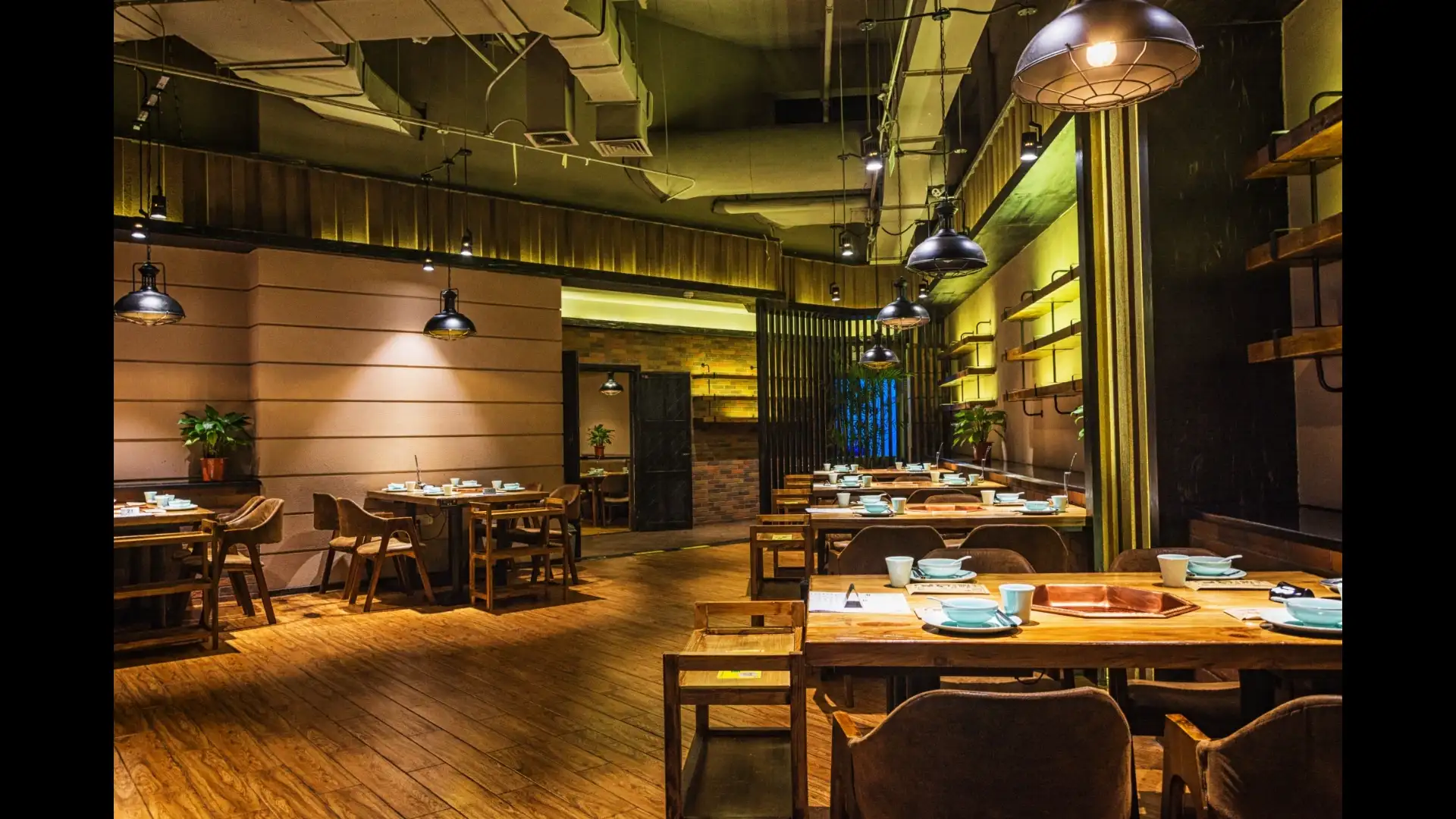
From everyday cooking ingredients to kitchen operations and staff expenses, restaurants have to manage multiple financial pressures. Here are four major reasons behind the rising cost of dining out.
When wholesale prices increase, restaurants have to spend more to prepare the same dishes. Even a basic meal can become more expensive to make when the cost of its main ingredients rises.
Restaurants may absorb some of these increases initially, but prolonged price rises can eventually reflect in the menu.
An increase in LPG prices, diesel costs or transportation charges adds to daily operating expenses. These costs can affect everything from a small neighbourhood eatery to a large hotel kitchen.
Restaurants often adjust their food prices to manage these additional expenses.
However, better-quality ingredients can come at a higher price. Restaurant owners must balance food quality with affordability, particularly when market rates keep changing.
Cutting ingredient costs may affect the taste or consistency of dishes. As a result, some restaurants choose to increase menu prices rather than compromise on the quality of their food.
Cleaning supplies, equipment repairs, maintenance and other everyday requirements add to the overall expenditure.
When these costs increase, restaurants have fewer options to maintain their existing prices. Passing on part of the additional expense through higher menu rates becomes one way to keep the business running.
For restaurant owners, balancing affordable menus with consistent food quality and sustainable operations is becoming increasingly challenging. For customers, this means even an ordinary meal outside the home may now require a bigger budget.
From everyday cooking ingredients to kitchen operations and staff expenses, restaurants have to manage multiple financial pressures. Here are four major reasons behind the rising cost of dining out.
1. Rising Prices of Everyday Ingredients
Food ingredients account for a significant share of restaurant expenses . Cooking oil, rice, flour, lentils, vegetables and spices are purchased regularly, often in large quantities.When wholesale prices increase, restaurants have to spend more to prepare the same dishes. Even a basic meal can become more expensive to make when the cost of its main ingredients rises.
Restaurants may absorb some of these increases initially, but prolonged price rises can eventually reflect in the menu.
2. Higher Fuel and Transportation Costs
Running a restaurant also depends on a steady supply of fuel and ingredients. Commercial LPG cylinders are essential for cooking, while transport vehicles bring vegetables, grains and other supplies from markets and warehouses.An increase in LPG prices, diesel costs or transportation charges adds to daily operating expenses. These costs can affect everything from a small neighbourhood eatery to a large hotel kitchen.
Restaurants often adjust their food prices to manage these additional expenses.
3. Maintaining Food Quality Comes at a Price
Customers expect restaurants to maintain consistent taste, freshness and food quality. Meeting these expectations means sourcing good-quality ingredients, including fresh vegetables, cooking oil, rice and spices.However, better-quality ingredients can come at a higher price. Restaurant owners must balance food quality with affordability, particularly when market rates keep changing.
Cutting ingredient costs may affect the taste or consistency of dishes. As a result, some restaurants choose to increase menu prices rather than compromise on the quality of their food.
4. Staff Salaries, Rent and Electricity Bills
The cost of running a restaurant goes well beyond its kitchen. Salaries for chefs, waiters, cleaners and other employees form a regular expense. Restaurants also pay rent, electricity and water bills.Cleaning supplies, equipment repairs, maintenance and other everyday requirements add to the overall expenditure.
When these costs increase, restaurants have fewer options to maintain their existing prices. Passing on part of the additional expense through higher menu rates becomes one way to keep the business running.
Why Restaurant Bills Keep Increasing
The rising cost of dining out is not linked to a single factor. Food inflation , fuel prices, transportation, ingredient quality and everyday business expenses all play a role.For restaurant owners, balancing affordable menus with consistent food quality and sustainable operations is becoming increasingly challenging. For customers, this means even an ordinary meal outside the home may now require a bigger budget.
Next Story