
Will LPG Remain Available? Government Issues Major Statement Amid Fuel Shortage Concerns

Concerns regarding fuel availability have been rising across India in recent days as tensions continue to escalate in West Asia. Social media platforms have been flooded with rumours suggesting possible shortages of petrol, diesel and LPG cylinders due to the ongoing Iran-Israel conflict and global uncertainty surrounding energy supplies.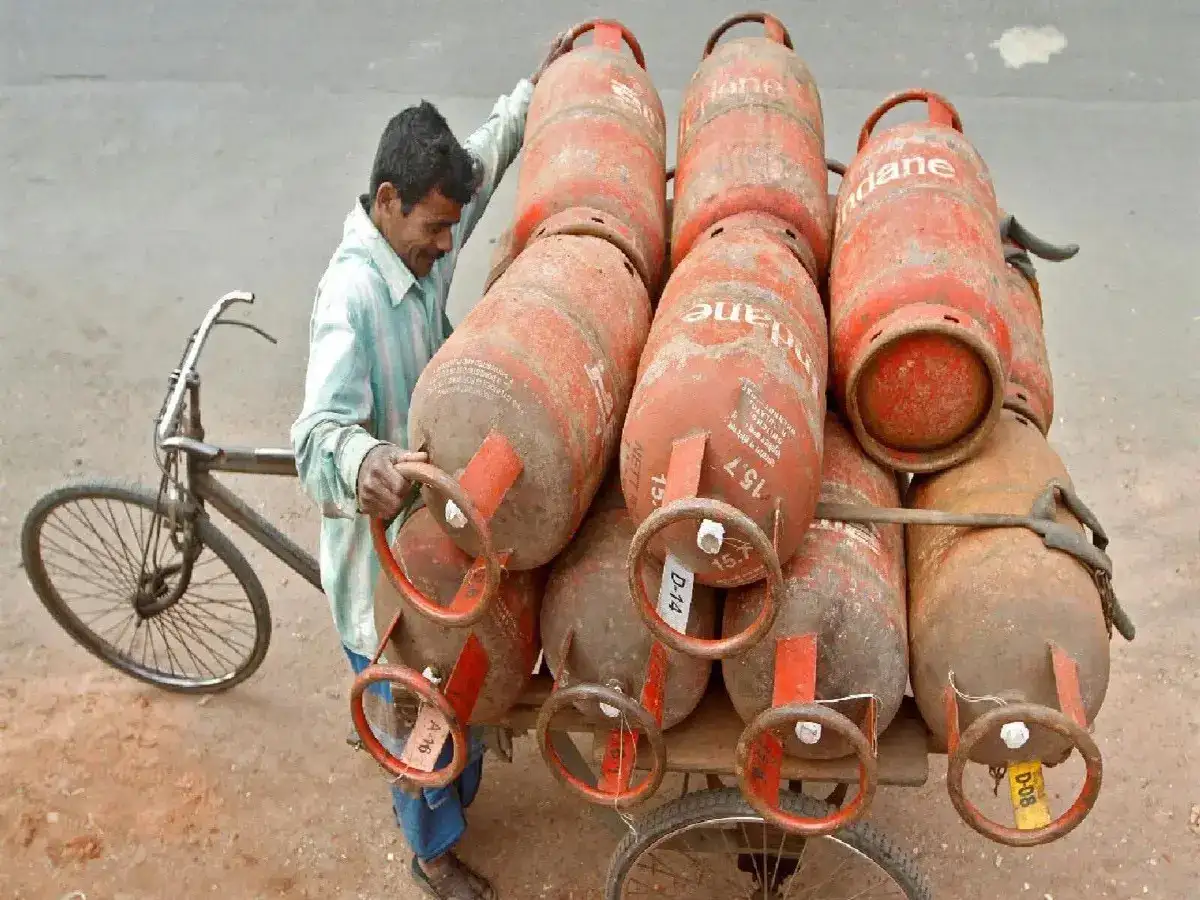
These reports have created anxiety among consumers, leading many households to rush for additional LPG bookings and fuel purchases. However, the central government has now issued a strong clarification, reassuring citizens that there is currently no shortage of cooking gas, petrol or diesel anywhere in the country.
Officials have confirmed that India possesses sufficient fuel reserves and that there are no plans to introduce fuel rationing at present. The government has also urged people not to panic or engage in unnecessary bulk purchasing.
The government’s statement comes at a time when many consumers were worried that disruptions in global oil supply routes could impact domestic fuel availability. Rumours circulating online suggested restrictions at petrol pumps and shortages of LPG cylinders in several areas.
However, officials emphasised that these reports are inaccurate and that supplies across the country continue to function normally.
The ministry also clarified that India maintains adequate stocks of crude oil, liquefied natural gas and LPG to meet current demand levels comfortably.
In addition, approximately 190,000 smaller 5-kg cylinders were reportedly sold during the same period. Authorities believe that this unusual rise in demand is primarily driven by panic buying rather than actual supply shortages.
Many households are reportedly ordering additional cylinders out of fear that future supplies could become disrupted due to international developments. Officials have urged consumers to avoid unnecessary stockpiling because such behaviour can place avoidable pressure on distribution systems.
The government maintains that the overall cooking gas supply network continues operating smoothly across the country.
The government highlighted that India continues monitoring international developments closely while taking precautionary measures to maintain stable fuel reserves. Authorities believe these proactive steps will help prevent supply disruptions even if global conditions remain uncertain.
Energy security remains a critical priority, especially during periods of international instability that could potentially impact global crude oil transportation and pricing.
The Ministry of Shipping recently confirmed that two LPG carrier ships have safely crossed the route and are expected to arrive in India by 16 May and 18 May respectively. Officials also revealed that 13 Indian vessels remain active in the region, including 12 LPG carriers and one crude oil carrier.
These updates are intended to reassure the public that shipping operations linked to India’s fuel imports continue despite regional tensions.
Any prolonged disruption in this area could affect global oil markets, but authorities currently maintain that supply lines remain functional.
Additionally, over 700,000 inactive or existing connections have been reactivated. Experts believe this surge reflects consumer concerns about future LPG availability and growing interest in alternative gas options for household use.
PNG is increasingly viewed as a convenient and continuous cooking fuel solution in urban areas where infrastructure is available. The recent increase in demand suggests that many households are exploring multiple energy options amid uncertainty surrounding global fuel markets.
If instability in West Asia continues for an extended period, international crude oil prices could remain volatile. Rising global oil prices often influence domestic fuel costs, including petrol, diesel and LPG rates in India.
However, officials currently insist that the domestic supply situation remains fully under control. Authorities also stated that efforts are underway to further strengthen reserves and maintain adequate stock levels for future requirements.
For now, there has been no change in LPG cylinder prices within the country, offering some relief to consumers already dealing with inflationary pressure.
Officials stressed that unnecessary panic buying may create temporary logistical pressure even when supplies are sufficient. The government maintains that India currently possesses enough reserves to meet national fuel requirements for several months.
Consumers have been advised to continue purchasing fuel and LPG cylinders according to regular needs instead of storing excessive quantities unnecessarily.
The government’s message remains clear — there is currently no immediate threat to LPG availability or fuel supply across the country.
Strong reserve levels, continued imports and active monitoring of global developments have helped authorities maintain stability within the domestic fuel supply chain. Although international tensions continue to influence global energy markets, officials insist that India’s current supply position remains secure.
For consumers, the situation currently remains normal, with no restrictions on LPG cylinders, petrol or diesel distribution. Authorities continue encouraging calm and responsible purchasing behaviour while assuring citizens that the country remains well-prepared to manage fuel demand effectively.
These reports have created anxiety among consumers, leading many households to rush for additional LPG bookings and fuel purchases. However, the central government has now issued a strong clarification, reassuring citizens that there is currently no shortage of cooking gas, petrol or diesel anywhere in the country.
Officials have confirmed that India possesses sufficient fuel reserves and that there are no plans to introduce fuel rationing at present. The government has also urged people not to panic or engage in unnecessary bulk purchasing.
No Plans for LPG or Fuel Rationing
According to officials from the Ministry of Petroleum and Natural Gas, India’s fuel supply situation remains stable despite international tensions. Authorities stated clearly that no instructions or directives related to rationing of LPG cylinders, petrol or diesel have been issued.The government’s statement comes at a time when many consumers were worried that disruptions in global oil supply routes could impact domestic fuel availability. Rumours circulating online suggested restrictions at petrol pumps and shortages of LPG cylinders in several areas.
However, officials emphasised that these reports are inaccurate and that supplies across the country continue to function normally.
The ministry also clarified that India maintains adequate stocks of crude oil, liquefied natural gas and LPG to meet current demand levels comfortably.
Panic Booking Leads to Surge in LPG Demand
One of the most noticeable developments in recent days has been the sudden increase in LPG bookings. According to official data, more than 14 million LPG bookings were recorded within just three days.In addition, approximately 190,000 smaller 5-kg cylinders were reportedly sold during the same period. Authorities believe that this unusual rise in demand is primarily driven by panic buying rather than actual supply shortages.
Many households are reportedly ordering additional cylinders out of fear that future supplies could become disrupted due to international developments. Officials have urged consumers to avoid unnecessary stockpiling because such behaviour can place avoidable pressure on distribution systems.
The government maintains that the overall cooking gas supply network continues operating smoothly across the country.
India Increasing Fuel Imports to Maintain Supply
Despite the challenging geopolitical situation, India is actively working to strengthen its energy supply chain. Officials stated that additional fuel imports are being arranged to ensure uninterrupted availability of LPG and other petroleum products.The government highlighted that India continues monitoring international developments closely while taking precautionary measures to maintain stable fuel reserves. Authorities believe these proactive steps will help prevent supply disruptions even if global conditions remain uncertain.
Energy security remains a critical priority, especially during periods of international instability that could potentially impact global crude oil transportation and pricing.
Strait of Hormuz Remains Under Close Watch
One of the major concerns surrounding global fuel supply involves the Strait of Hormuz, considered one of the world’s most strategically important oil transportation routes.The Ministry of Shipping recently confirmed that two LPG carrier ships have safely crossed the route and are expected to arrive in India by 16 May and 18 May respectively. Officials also revealed that 13 Indian vessels remain active in the region, including 12 LPG carriers and one crude oil carrier.
These updates are intended to reassure the public that shipping operations linked to India’s fuel imports continue despite regional tensions.
Any prolonged disruption in this area could affect global oil markets, but authorities currently maintain that supply lines remain functional.
Rising Interest in PNG Connections
Another interesting development has been the growing demand for PNG, or piped natural gas, connections across India. Since March, nearly 750,000 new PNG connections have reportedly been established.Additionally, over 700,000 inactive or existing connections have been reactivated. Experts believe this surge reflects consumer concerns about future LPG availability and growing interest in alternative gas options for household use.
PNG is increasingly viewed as a convenient and continuous cooking fuel solution in urban areas where infrastructure is available. The recent increase in demand suggests that many households are exploring multiple energy options amid uncertainty surrounding global fuel markets.
International Tensions Could Affect Fuel Prices
While the government has reassured citizens regarding fuel availability, experts continue monitoring the impact of global geopolitical tensions on crude oil prices.If instability in West Asia continues for an extended period, international crude oil prices could remain volatile. Rising global oil prices often influence domestic fuel costs, including petrol, diesel and LPG rates in India.
However, officials currently insist that the domestic supply situation remains fully under control. Authorities also stated that efforts are underway to further strengthen reserves and maintain adequate stock levels for future requirements.
You may also like
- Union Minister Ashwini Vaishnaw virtually lays foundation stone for Sahasra Semiconductor facility amid several industrial projects worth over Rs 400 crore
- Gold prices fall: Check 24k vs 22k vs 18k rates
- Gold, silver tumble up to 4 pc amid stronger dollar, rising crude prices
- TN DA hike: Employees' monthly pay hike explained
- RBI's ECL-RWA pivot to bolster bank capital and credit growth, large lenders best placed, says Ambit Institutional Equities
For now, there has been no change in LPG cylinder prices within the country, offering some relief to consumers already dealing with inflationary pressure.
Government Urges Citizens Not to Believe Rumours
Authorities have strongly appealed to the public to avoid believing unverified social media rumours regarding fuel shortages and rationing.Officials stressed that unnecessary panic buying may create temporary logistical pressure even when supplies are sufficient. The government maintains that India currently possesses enough reserves to meet national fuel requirements for several months.
Consumers have been advised to continue purchasing fuel and LPG cylinders according to regular needs instead of storing excessive quantities unnecessarily.
The government’s message remains clear — there is currently no immediate threat to LPG availability or fuel supply across the country.
Fuel Supply Situation Remains Stable for Now
Amid rising global uncertainty and concerns over energy security, the government’s latest statement aims to restore public confidence regarding LPG and fuel availability in India.Strong reserve levels, continued imports and active monitoring of global developments have helped authorities maintain stability within the domestic fuel supply chain. Although international tensions continue to influence global energy markets, officials insist that India’s current supply position remains secure.
For consumers, the situation currently remains normal, with no restrictions on LPG cylinders, petrol or diesel distribution. Authorities continue encouraging calm and responsible purchasing behaviour while assuring citizens that the country remains well-prepared to manage fuel demand effectively.






More from our partners


Loving Newspoint? Download the app now
