
YES Bank blocks forex cards after cyber attack


Cyber theft and digital crimes are rising sharply in today’s digital age. Scammers are not leaving even large banks. After many such incidentsYES Bank has informed that it had detected an unusual surge in forex transaction declines flagged by its fraud monitoring system, indicating potentially suspicious activity.
YES Bank’s Multi-Currency Prepaid Forex Card, which was issued in partnership with BookMyForex, observed an unusual increase in transaction decline by the bank’s fraud monitoring system, the bank said in a filing to BSE and NSE.
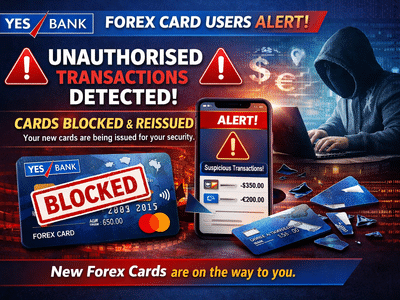
YES Bank said that these unauthorised transactions were attempted on specific BIN numbers only.
These fraudulent transactions were carried out on 15 merchants that are based out of a Latin American country, in the early hours on February 24, 2026, between 3:30 AM and 8:30 AM (IST). The specific country does not mandate two-factor authentication for e-commerce transactions. As a security measure, the bank has subsequently restricted e-commerce transactions from the specific Latin American country, YES Bank said in its press release.
Have affected YES Bank credit cards been blocked and reissued to prevent further misuse?
According to the bbank's internal investigation, transactions totalling about USD 0.28 million were authorised on behalf of 5,000 clients throughout the event period. A total of 688 illegal transaction attempts were rejected as a result of the bank's monitoring and control systems, protecting around USD 0.1 million.
To make sure that the affected clients don't suffer any financial losses, the bank is collaborating with the card network to raise chargebacks, the bank added.
The Reserve Bank of India (RBI) has summoned senior officials of YES Bank following a significant data breach involving the YES Bank-BookMyForex multi-currency forex card, two people aware of the development told ET.
Card data and CVV numbers for multiple individuals were allegedly hacked. According to reports, the central bank has requested a full explanation of how YES Bank's systems were accessed and the chain of events that resulted in the loss of sensitive client data.
Here are some tips that will arm you with protection from any theft attempts, as per the YES Bank website:
To stay safe from financial fraud, it is important to follow a few simple but effective habits in daily life. Avoid signing in to your bank or financial accounts while using public or unsecured Wi-Fi networks, as these connections can be easily compromised by hackers. Make sure to opt for app alerts for every transaction, this helps you to track activity in real time and quickly spot any unauthorised use. You can also reduce your daily withdrawal and purchase limits to minimise potential losses if your card details are misused. Do a regular check on your card statements and transaction history to ensure that every payment is legitimate and immediately report anything suspicious.
YES Bank’s Multi-Currency Prepaid Forex Card, which was issued in partnership with BookMyForex, observed an unusual increase in transaction decline by the bank’s fraud monitoring system, the bank said in a filing to BSE and NSE.
YES Bank said that these unauthorised transactions were attempted on specific BIN numbers only.
These fraudulent transactions were carried out on 15 merchants that are based out of a Latin American country, in the early hours on February 24, 2026, between 3:30 AM and 8:30 AM (IST). The specific country does not mandate two-factor authentication for e-commerce transactions. As a security measure, the bank has subsequently restricted e-commerce transactions from the specific Latin American country, YES Bank said in its press release.
Have affected YES Bank credit cards been blocked and reissued to prevent further misuse?
According to the bbank's internal investigation, transactions totalling about USD 0.28 million were authorised on behalf of 5,000 clients throughout the event period. A total of 688 illegal transaction attempts were rejected as a result of the bank's monitoring and control systems, protecting around USD 0.1 million.
To make sure that the affected clients don't suffer any financial losses, the bank is collaborating with the card network to raise chargebacks, the bank added.
The Reserve Bank of India (RBI) has summoned senior officials of YES Bank following a significant data breach involving the YES Bank-BookMyForex multi-currency forex card, two people aware of the development told ET.
Card data and CVV numbers for multiple individuals were allegedly hacked. According to reports, the central bank has requested a full explanation of how YES Bank's systems were accessed and the chain of events that resulted in the loss of sensitive client data.
Here are some tips that will arm you with protection from any theft attempts, as per the YES Bank website:
To stay safe from financial fraud, it is important to follow a few simple but effective habits in daily life. Avoid signing in to your bank or financial accounts while using public or unsecured Wi-Fi networks, as these connections can be easily compromised by hackers. Make sure to opt for app alerts for every transaction, this helps you to track activity in real time and quickly spot any unauthorised use. You can also reduce your daily withdrawal and purchase limits to minimise potential losses if your card details are misused. Do a regular check on your card statements and transaction history to ensure that every payment is legitimate and immediately report anything suspicious.
Next Story