
BMC Mayoral Post Reserved For General Woman After Lottery, Sparks Shiv Sena (UBT) Protest

In a politically charged development in Mumbai’s civic politics, the Brihanmumbai Municipal Corporation (BMC) mayoral post has been reserved for a woman from the General category following the state’s reservation lottery draw. The decision has triggered controversy and led to a protest walkout by the Uddhav Thackeray-led Shiv Sena (UBT).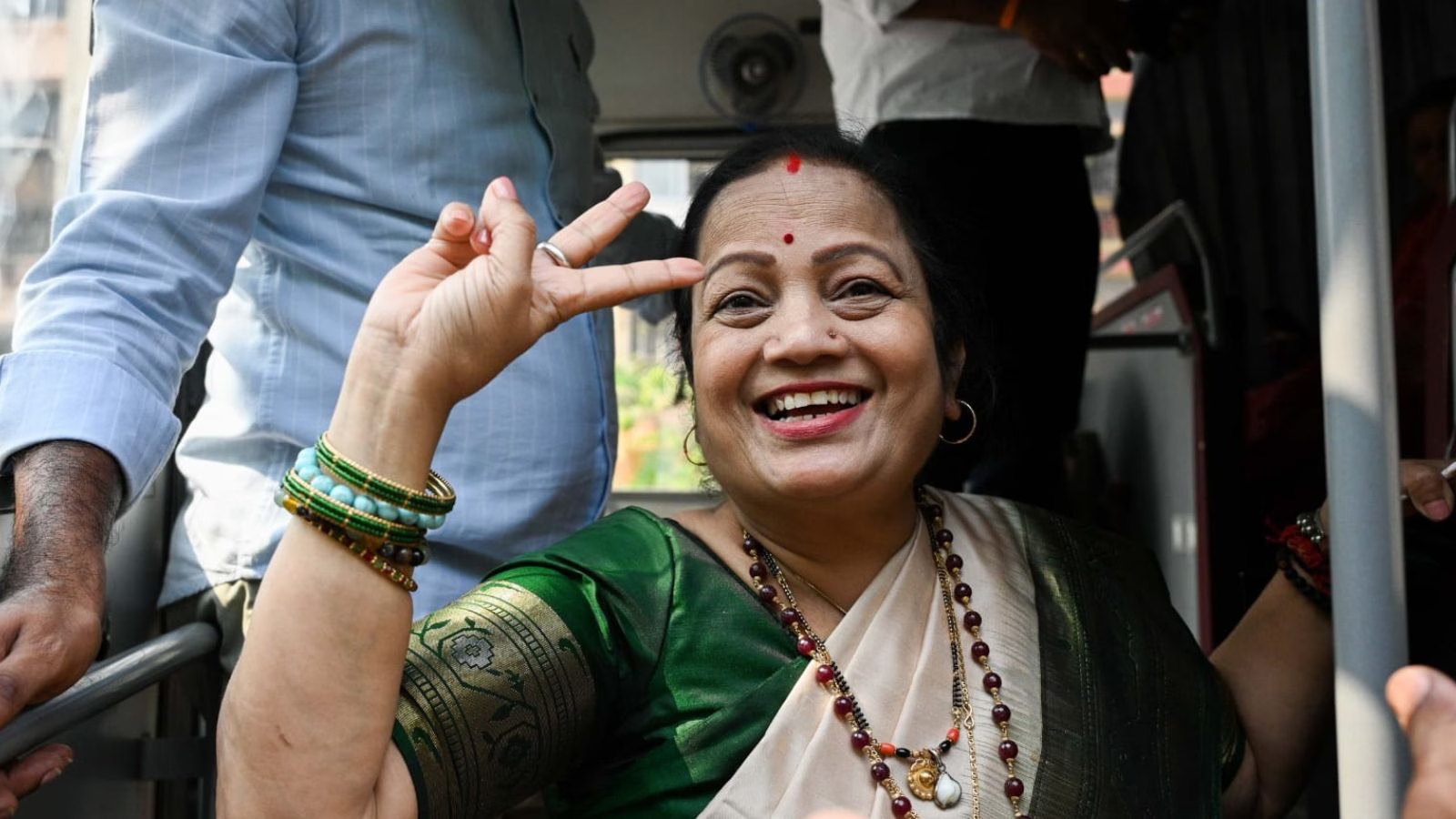
On January 22, 2026, the Maharashtra Urban Development Department conducted the reservation lottery for mayoral posts across 29 municipal corporations, including the BMC, India’s richest civic body. Under the rotational reservation system aimed at ensuring representation across caste and gender categories, the BMC mayor’s post was allotted to the General Women category for this term. As a result, only women candidates from the general category will be eligible to contest the upcoming BMC mayor election.
While the decision guarantees a woman leader at the helm of Mumbai’s civic administration—an outcome welcomed by many as a step towards stronger gender representation—it has also intensified political rivalry. The Shiv Sena (UBT) strongly objected to the reservation outcome, arguing that Mumbai should have been reserved under the Other Backward Classes (OBC) category. Former mayor Kishori Pednekar and other UBT leaders questioned why the OBC category was omitted for the BMC, alleging that the rotational reservation process was skewed in favour of rival political interests.
The UBT’s protest highlights deeper political calculations at play. Political analysts had predicted ahead of the draw that different reservation outcomes - SC, ST, OBC, or General Women - could significantly alter the competitive landscape of the mayoral race. Although the Bharatiya Janata Party (BJP) and its ally, the Shinde-led Shiv Sena, currently hold a majority in the 227-member BMC, the reservation category directly influences which parties’ candidates are eligible to contest the mayor’s post.
The walkout by the UBT underscores a sense of missed opportunity. According to political observers, an OBC reservation could have provided the party with a strategic opening in the mayoral contest. With the BJP-Shinde alliance commanding a numerical advantage, an OBC or SC quota may have helped balance representation for parties with different socio-demographic strengths.
Beyond party rivalries, the outcome serves as a reminder of how reservation policies and lottery mechanisms in local governance can shape political fortunes. The BMC mayor’s post is a high-profile civic leadership position and is often seen as a stepping stone to greater political influence in Maharashtra’s state and national politics. As a result, political negotiations, alliance dynamics, and campaign strategies are now expected to revolve around reservation categories and candidate selection.
Historically, Mumbai has seen several women serve as mayor, including Sulochana M. Modi, the city’s first woman mayor in 1956, and later leaders such as Shubha Raul and Shraddha Jadhav, reflecting a long-standing tradition of women’s leadership in urban governance.
With the reservation now finalised, political parties will shift focus to nominating candidates, shaping campaign narratives, and securing support among BMC corporators ahead of the formal mayoral election. The decision could also have ripple effects on alliance cohesion and future civic priorities, as Mumbai prepares to usher in a new term under its next woman mayor. However, the UBT’s objections indicate that political tensions remain high, suggesting that the road to the mayor’s chair may prove as eventful as the lottery that determined its eligibility.
On January 22, 2026, the Maharashtra Urban Development Department conducted the reservation lottery for mayoral posts across 29 municipal corporations, including the BMC, India’s richest civic body. Under the rotational reservation system aimed at ensuring representation across caste and gender categories, the BMC mayor’s post was allotted to the General Women category for this term. As a result, only women candidates from the general category will be eligible to contest the upcoming BMC mayor election.
While the decision guarantees a woman leader at the helm of Mumbai’s civic administration—an outcome welcomed by many as a step towards stronger gender representation—it has also intensified political rivalry. The Shiv Sena (UBT) strongly objected to the reservation outcome, arguing that Mumbai should have been reserved under the Other Backward Classes (OBC) category. Former mayor Kishori Pednekar and other UBT leaders questioned why the OBC category was omitted for the BMC, alleging that the rotational reservation process was skewed in favour of rival political interests.
The UBT’s protest highlights deeper political calculations at play. Political analysts had predicted ahead of the draw that different reservation outcomes - SC, ST, OBC, or General Women - could significantly alter the competitive landscape of the mayoral race. Although the Bharatiya Janata Party (BJP) and its ally, the Shinde-led Shiv Sena, currently hold a majority in the 227-member BMC, the reservation category directly influences which parties’ candidates are eligible to contest the mayor’s post.
The walkout by the UBT underscores a sense of missed opportunity. According to political observers, an OBC reservation could have provided the party with a strategic opening in the mayoral contest. With the BJP-Shinde alliance commanding a numerical advantage, an OBC or SC quota may have helped balance representation for parties with different socio-demographic strengths.
Beyond party rivalries, the outcome serves as a reminder of how reservation policies and lottery mechanisms in local governance can shape political fortunes. The BMC mayor’s post is a high-profile civic leadership position and is often seen as a stepping stone to greater political influence in Maharashtra’s state and national politics. As a result, political negotiations, alliance dynamics, and campaign strategies are now expected to revolve around reservation categories and candidate selection.
Historically, Mumbai has seen several women serve as mayor, including Sulochana M. Modi, the city’s first woman mayor in 1956, and later leaders such as Shubha Raul and Shraddha Jadhav, reflecting a long-standing tradition of women’s leadership in urban governance.
With the reservation now finalised, political parties will shift focus to nominating candidates, shaping campaign narratives, and securing support among BMC corporators ahead of the formal mayoral election. The decision could also have ripple effects on alliance cohesion and future civic priorities, as Mumbai prepares to usher in a new term under its next woman mayor. However, the UBT’s objections indicate that political tensions remain high, suggesting that the road to the mayor’s chair may prove as eventful as the lottery that determined its eligibility.
Next Story