
Hindi vs Kannada: Auto Drivers in Bengaluru Accused of Charging Higher Fares

The longstanding debate over the use of Hindi versus Kannada in Bengaluru recently took center stage in a social experiment conducted by two social media influencers. The duo set out to observe whether local autorickshaw drivers treated passengers differently based on the language they spoke. One influencer communicated in Hindi, representing the non-Kannada-speaking community, while the other spoke in Kannada. The results revealed the persistence of language-based biases in the city, a reflection of similar issues in other parts of India.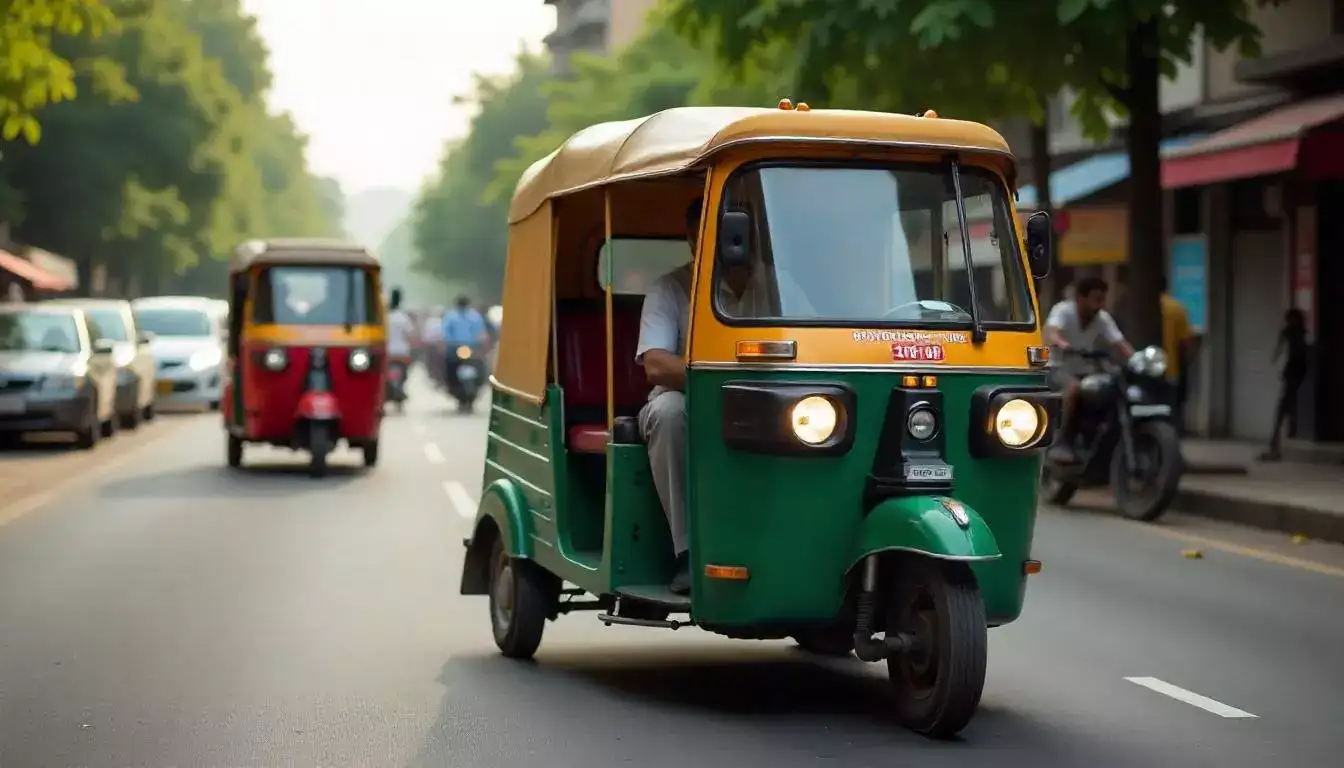
The experiment involved approaching autorickshaw drivers to request rides to popular destinations. In one instance, a driver outright refused to take the Hindi-speaking woman to HSR Layout but readily accepted the ride from her Kannada-speaking counterpart. In another case, a driver initially quoted Rs 300 to the Hindi-speaking woman for a ride to Indiranagar but reduced the fare to Rs 200 when the request was made in Kannada.
While some drivers appeared neutral, like one who charged Rs 200 for a ride to Koramangala regardless of language, others displayed clear bias. One driver ignored the Hindi-speaking influencer but was willing to negotiate with the Kannada-speaking woman.
The video, shared on Instagram by influencer Jinal Modi, quickly went viral, drawing over 50 lakh views. Viewers flooded the comment section with mixed reactions. Many criticized the drivers, accusing them of “normalising racism." One commenter remarked, “Real heights of stupidity and discrimination happen in Bengaluru."
However, not all agreed with the criticism. Some felt such experiments exacerbated regional tensions. A user argued, “This kind of content would do nothing but initiate more hatred." Another questioned the influencers’ intent, wondering, “Why these people glorify regional disparity and discrimination without any shame?"
Others called for empathy and understanding. One viewer highlighted how “love for language" seemed to overshadow virtues like “humanity, humility, kindness, and generosity." Meanwhile, a skeptical commenter doubted the authenticity of the video, stating, “Auto drivers in Bengaluru never discriminate locals or migrants, and they will charge everyone exorbitantly."
The video also sparked discussions about language and identity. One user asserted, “Language enforcement isn’t right," while another suggested, “Kannada people are just insecure about their language."
As the debate rages on, the video serves as a reminder of the complex interplay between regional identity and inclusivity in India’s diverse cities.
The experiment involved approaching autorickshaw drivers to request rides to popular destinations. In one instance, a driver outright refused to take the Hindi-speaking woman to HSR Layout but readily accepted the ride from her Kannada-speaking counterpart. In another case, a driver initially quoted Rs 300 to the Hindi-speaking woman for a ride to Indiranagar but reduced the fare to Rs 200 when the request was made in Kannada.
While some drivers appeared neutral, like one who charged Rs 200 for a ride to Koramangala regardless of language, others displayed clear bias. One driver ignored the Hindi-speaking influencer but was willing to negotiate with the Kannada-speaking woman.
The video, shared on Instagram by influencer Jinal Modi, quickly went viral, drawing over 50 lakh views. Viewers flooded the comment section with mixed reactions. Many criticized the drivers, accusing them of “normalising racism." One commenter remarked, “Real heights of stupidity and discrimination happen in Bengaluru."
However, not all agreed with the criticism. Some felt such experiments exacerbated regional tensions. A user argued, “This kind of content would do nothing but initiate more hatred." Another questioned the influencers’ intent, wondering, “Why these people glorify regional disparity and discrimination without any shame?"
Others called for empathy and understanding. One viewer highlighted how “love for language" seemed to overshadow virtues like “humanity, humility, kindness, and generosity." Meanwhile, a skeptical commenter doubted the authenticity of the video, stating, “Auto drivers in Bengaluru never discriminate locals or migrants, and they will charge everyone exorbitantly."
The video also sparked discussions about language and identity. One user asserted, “Language enforcement isn’t right," while another suggested, “Kannada people are just insecure about their language."
As the debate rages on, the video serves as a reminder of the complex interplay between regional identity and inclusivity in India’s diverse cities.
Next Story