
SAD to regularise all irregular colonies through OTS scheme if voted to power: Sukhbir


Mohali : SAD president Sukhbir Singh Badal on Wednesday announced that if voted to power, the party would introduce a one-time settlement scheme to regularise all irregular colonies on an ‘as is where is’ basis and abolish the no objection certificate (NOC) requirement for the sale of properties in these colonies.
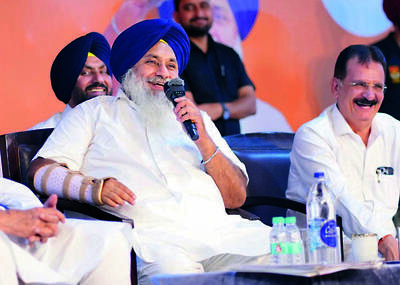
Interacting with representatives of the trade and industry at a meeting organised by SAD Kharar constituency in-charge Ravinder Singh Khera, Badal appealed to the gathering to support Khera as the Kharar MLA, saying he would effectively represent their concerns and demands.
He also announced the creation of a new ‘Build Punjab’ department to ensure that all approvals, including building map sanctions, were granted within one month. Taxes, including development charges, would also be rationalised to provide relief to property buyers and end users.
Addressing the problems faced by residents of unauthorised colonies, Badal said the govt would take over colonies that lacked basic infrastructure, including sewerage and proper roads, and deal directly with their development.
On taxation, he promised to revive the Rahat scheme introduced during the previous SAD govt, under which small shopkeepers would pay a lump sum GST of Rs 1,000 annually without maintaining accounts. He also assured larger traders that they would be allowed to file self-declarations for tax purposes.
“I firmly believe that we should trust our citizens and remove the fear of government authorities from their minds. Only then will they progress and prosper,” he said.
Representatives of various trade associations raised issues concerning high registry rates, infrastructure deficiencies and alleged harassment by tax officials.
Targeting the present and previous state govts, Badal said Punjab needed a chief minister with vision and administrative capabilities. Referring to former CM Capt Amarinder Singh and incumbent Bhagwant Mann , he alleged that both had failed to provide effective leadership. Citing the development of New Chandigarh, he said such projects required decisive leadership and a clear vision.
Interacting with representatives of the trade and industry at a meeting organised by SAD Kharar constituency in-charge Ravinder Singh Khera, Badal appealed to the gathering to support Khera as the Kharar MLA, saying he would effectively represent their concerns and demands.
He also announced the creation of a new ‘Build Punjab’ department to ensure that all approvals, including building map sanctions, were granted within one month. Taxes, including development charges, would also be rationalised to provide relief to property buyers and end users.
Addressing the problems faced by residents of unauthorised colonies, Badal said the govt would take over colonies that lacked basic infrastructure, including sewerage and proper roads, and deal directly with their development.
On taxation, he promised to revive the Rahat scheme introduced during the previous SAD govt, under which small shopkeepers would pay a lump sum GST of Rs 1,000 annually without maintaining accounts. He also assured larger traders that they would be allowed to file self-declarations for tax purposes.
“I firmly believe that we should trust our citizens and remove the fear of government authorities from their minds. Only then will they progress and prosper,” he said.
Representatives of various trade associations raised issues concerning high registry rates, infrastructure deficiencies and alleged harassment by tax officials.
Targeting the present and previous state govts, Badal said Punjab needed a chief minister with vision and administrative capabilities. Referring to former CM Capt Amarinder Singh and incumbent Bhagwant Mann , he alleged that both had failed to provide effective leadership. Citing the development of New Chandigarh, he said such projects required decisive leadership and a clear vision.
Next Story