
How To Tell The Difference Between Cranes And Storks

At first glance, cranes and storks may look almost identical. Both are tall, long-legged birds with graceful movements and wide wingspans. However, when you take a closer look, the difference between crane vs stork becomes quite clear. From their flight patterns to their behaviour, these birds have unique characteristics that set them apart.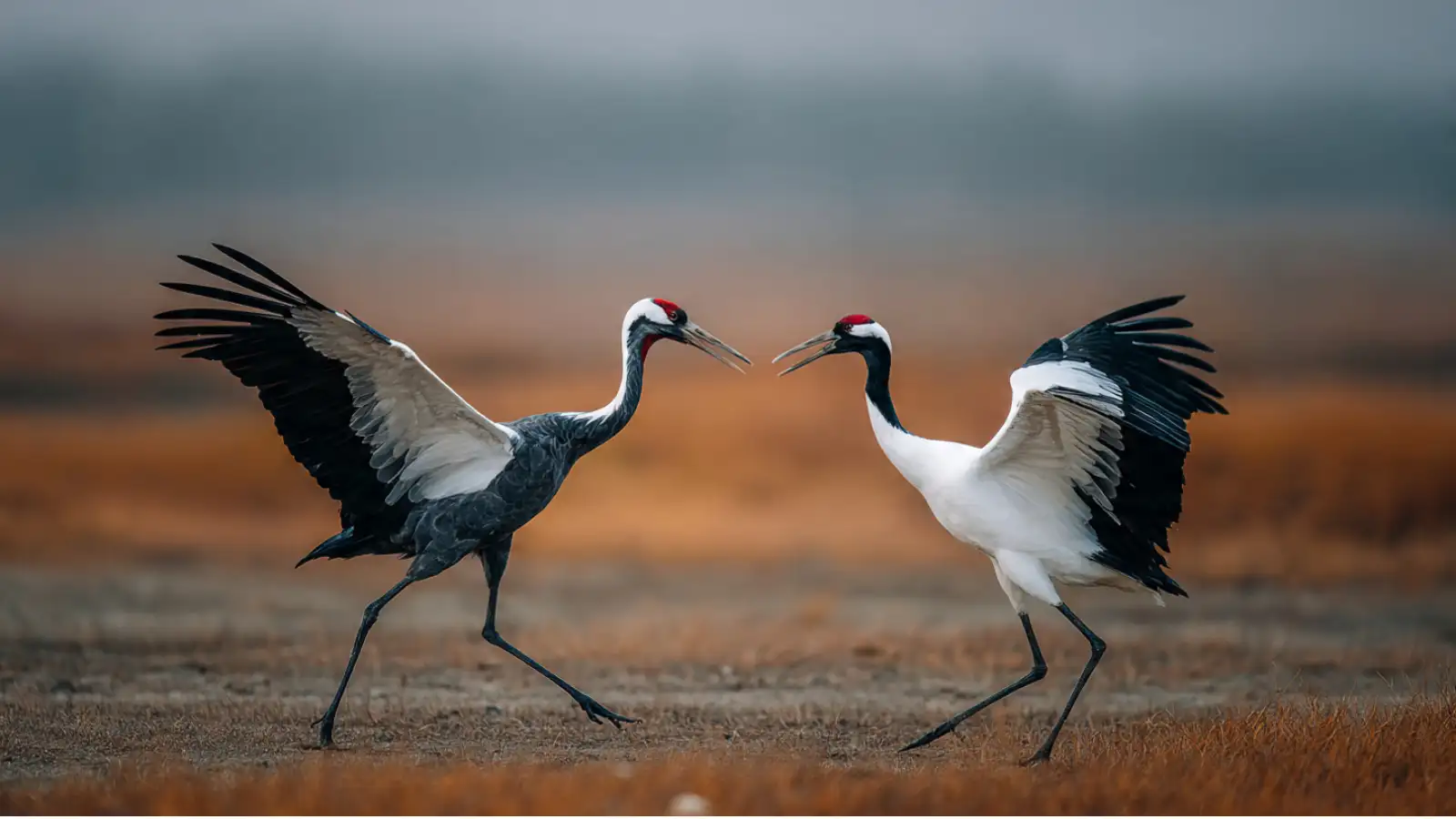
Storks, on the other hand, tend to soar more often. They use warm air currents to glide and conserve energy. While they also fly with their necks extended, their flight appears more relaxed and less rhythmic.
Storks are mostly silent birds. Instead of vocal calls, they communicate by clattering their beaks. This unique behaviour is one of the most interesting bird facts that helps distinguish them.
Storks are more carnivorous and prefer eating fish, frogs, and small reptiles. Their feeding style is more focused on hunting in shallow water.
Read More: How Hummingbirds Perform Incredible Aerial Movements
Storks are generally more solitary or found in smaller groups. They are less interactive compared to cranes and have simpler social behaviours.
Storks, however, often build large nests on trees, rooftops, or tall structures. Their nesting habits are one of the easiest ways to identify them in urban or rural areas.
While cranes and storks may look similar at first, their differences are quite distinct once you know what to look for. From their flight style to their feeding habits, each bird has its own unique traits. Understanding the difference between crane vs stork not only improves your bird identification skills but also deepens your appreciation for nature.
Family and Classification
The most basic difference lies in their classification. Cranes belong to the Gruidae family, while storks are part of the Ciconiidae family. This distinction plays a major role in their physical traits and behaviour. Understanding this is key when learning about bird identification tips .Flight Style and Movement
One of the easiest ways to spot the difference between crane vs stork is by observing how they fly. Cranes fly with their necks stretched straight out and often in flocks that form a V shape. They are also known for their graceful and rhythmic wing beats.Storks, on the other hand, tend to soar more often. They use warm air currents to glide and conserve energy. While they also fly with their necks extended, their flight appears more relaxed and less rhythmic.
You may also like
- Punjab and Sind Bank LBO recruitment 2026: Registration ends today for 1,000 posts; direct link to apply here
- Nigerian airlines pause flight suspension as minister urges talks on fuel costs
- Hajj vs Umrah visas 2026: What Indian pilgrims must know as Saudi Arabia bars visit visas, tightens entry norms
- CRPF Constable recruitment 2026: Registration begins for 9,195 vacancies; direct link to apply here
- JNU's big decision! Now professors' children will also get a 5% quota..
Vocal Sounds
Cranes are known for their loud, bugling calls that can be heard over long distances. These sounds play an important role in communication and bonding.Storks are mostly silent birds. Instead of vocal calls, they communicate by clattering their beaks. This unique behaviour is one of the most interesting bird facts that helps distinguish them.
Feeding Habits
Cranes are omnivores and have a varied diet that includes grains, insects, and small animals. They often forage in fields and wetlands.Storks are more carnivorous and prefer eating fish, frogs, and small reptiles. Their feeding style is more focused on hunting in shallow water.
Read More: How Hummingbirds Perform Incredible Aerial Movements
Social Behaviour
Cranes are highly social birds and are often seen in large flocks, especially during migration. They are also known for their elaborate courtship dances, which are fascinating to watch.Storks are generally more solitary or found in smaller groups. They are less interactive compared to cranes and have simpler social behaviours.
Habitat and Nesting
Cranes prefer wetlands, grasslands, and open fields. They usually build nests on the ground.Storks, however, often build large nests on trees, rooftops, or tall structures. Their nesting habits are one of the easiest ways to identify them in urban or rural areas.
While cranes and storks may look similar at first, their differences are quite distinct once you know what to look for. From their flight style to their feeding habits, each bird has its own unique traits. Understanding the difference between crane vs stork not only improves your bird identification skills but also deepens your appreciation for nature.






More from our partners


Loving Newspoint? Download the app now
