
Hindi Diwas 2026: Why September 14 was chosen and what happened in 1949


Every September 14 , India marks Hindi Diwas . The date is often reduced to a familiar school-book explanation: Hindi was adopted as an official language on this day in 1949.
But the story behind September 14 is far more complicated. The decision was not the result of a straightforward vote to make Hindi the sole language of the country. It emerged after years of disagreement in the Constituent Assembly over a question that went beyond language. At stake was how a newly independent India would balance its linguistic diversity with the need for a common language of administration.
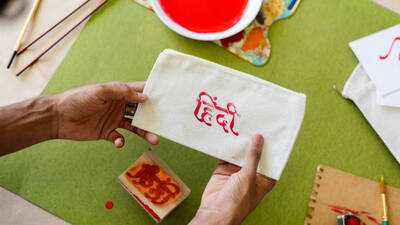
Why September 14 was chosen for Hindi Diwas
September 14 marks the day in 1949 when the Constituent Assembly reached a compromise on the official language of the Union.
The Constitution eventually provided that Hindi in the Devanagari script would be the official language of the Union, while English would continue to be used for a transitional period. The relevant provisions were incorporated into Articles 343 to 351 of the Constitution, which came into force on January 26, 1950.
This is why September 14 is observed as Hindi Diwas every year. The day, therefore, does not simply celebrate Hindi as a language. It recalls a constitutional decision taken at a time when India was trying to define its identity after independence.
The language question was one of the toughest debates before the Constituent Assembly
The language debate was not settled overnight. The Constituent Assembly spent nearly three years grappling with the question of which language should be used for the Union's official work. The disagreement reflected India's linguistic diversity as well as competing political and cultural positions.
One group wanted Hindi in the Devanagari script to become the country's sole national language. Others, particularly representatives from southern India, opposed such an arrangement and argued for a continued role for English.
There was also disagreement over the terminology itself. The Constitution ultimately did not declare Hindi to be India's "national language". Instead, it described Hindi in Devanagari script as the official language of the Union. That distinction is important and is frequently lost in popular discussions around Hindi Diwas.
The Munshi-Ayyangar formula provided the middle ground
The eventual settlement is commonly associated with the Munshi-Ayyangar formula, named after Constituent Assembly members K. M. Munshi and N. Gopalaswami Ayyangar .
The formula attempted to accommodate both sides. Hindi in the Devanagari script was designated as the official language of the Union. At the same time, English was allowed to continue for official purposes for 15 years, during which Hindi's administrative vocabulary was expected to develop.
The compromise also settled the question of numerals by providing for the international form of Indian numerals.
The arrangement became part of the Constitution through Articles 343 to 351.
Why English did not disappear after 15 years
The original constitutional arrangement envisaged a 15-year transition. That period ended in 1965. However, the expectation that English would simply give way to Hindi did not materialise.
The Government of India subsequently continued the use of English for official purposes. This reflected both administrative realities and continuing concerns among non-Hindi-speaking states about the possible dominance of Hindi.
As a result, India's official language framework evolved into a bilingual arrangement in which both Hindi and English continue to play major roles in Union government functioning.
Hindi Diwas is therefore about more than celebrating a language
Hindi Diwas has grown into an occasion for promoting the use of Hindi in government offices, educational institutions and public life.
Government departments and organisations conduct competitions, seminars and literary programmes around the day. Rajbhasha awards are also presented for contributions towards the use and promotion of Hindi in official work and other fields.
The observance has consequently acquired an institutional dimension beyond the historical event of September 14, 1949. But its most interesting aspect remains the constitutional debate that produced the date itself.
September 14 reflects the compromise that shaped India's language policy
The history of Hindi Diwas offers a useful reminder that India's language policy was built through negotiation rather than linguistic uniformity.
The Constituent Assembly had to reconcile competing demands in a country where language was closely linked to culture, identity and regional politics. The September 14 decision represented an attempt to establish Hindi's place in the Union's official functioning without immediately eliminating English or ignoring India's linguistic diversity.
That is what makes September 14 significant. Hindi Diwas is not simply a day marked on the calendar to celebrate Hindi. It commemorates one of the difficult constitutional compromises through which independent India attempted to build a common administrative framework while accommodating a multilingual society.
But the story behind September 14 is far more complicated. The decision was not the result of a straightforward vote to make Hindi the sole language of the country. It emerged after years of disagreement in the Constituent Assembly over a question that went beyond language. At stake was how a newly independent India would balance its linguistic diversity with the need for a common language of administration.
Why September 14 was chosen for Hindi Diwas
September 14 marks the day in 1949 when the Constituent Assembly reached a compromise on the official language of the Union.
The Constitution eventually provided that Hindi in the Devanagari script would be the official language of the Union, while English would continue to be used for a transitional period. The relevant provisions were incorporated into Articles 343 to 351 of the Constitution, which came into force on January 26, 1950.
This is why September 14 is observed as Hindi Diwas every year. The day, therefore, does not simply celebrate Hindi as a language. It recalls a constitutional decision taken at a time when India was trying to define its identity after independence.
The language question was one of the toughest debates before the Constituent Assembly
The language debate was not settled overnight. The Constituent Assembly spent nearly three years grappling with the question of which language should be used for the Union's official work. The disagreement reflected India's linguistic diversity as well as competing political and cultural positions.
One group wanted Hindi in the Devanagari script to become the country's sole national language. Others, particularly representatives from southern India, opposed such an arrangement and argued for a continued role for English.
There was also disagreement over the terminology itself. The Constitution ultimately did not declare Hindi to be India's "national language". Instead, it described Hindi in Devanagari script as the official language of the Union. That distinction is important and is frequently lost in popular discussions around Hindi Diwas.
The Munshi-Ayyangar formula provided the middle ground
The eventual settlement is commonly associated with the Munshi-Ayyangar formula, named after Constituent Assembly members K. M. Munshi and N. Gopalaswami Ayyangar .
The formula attempted to accommodate both sides. Hindi in the Devanagari script was designated as the official language of the Union. At the same time, English was allowed to continue for official purposes for 15 years, during which Hindi's administrative vocabulary was expected to develop.
The compromise also settled the question of numerals by providing for the international form of Indian numerals.
The arrangement became part of the Constitution through Articles 343 to 351.
Why English did not disappear after 15 years
The original constitutional arrangement envisaged a 15-year transition. That period ended in 1965. However, the expectation that English would simply give way to Hindi did not materialise.
The Government of India subsequently continued the use of English for official purposes. This reflected both administrative realities and continuing concerns among non-Hindi-speaking states about the possible dominance of Hindi.
As a result, India's official language framework evolved into a bilingual arrangement in which both Hindi and English continue to play major roles in Union government functioning.
Hindi Diwas is therefore about more than celebrating a language
Hindi Diwas has grown into an occasion for promoting the use of Hindi in government offices, educational institutions and public life.
Government departments and organisations conduct competitions, seminars and literary programmes around the day. Rajbhasha awards are also presented for contributions towards the use and promotion of Hindi in official work and other fields.
The observance has consequently acquired an institutional dimension beyond the historical event of September 14, 1949. But its most interesting aspect remains the constitutional debate that produced the date itself.
September 14 reflects the compromise that shaped India's language policy
The history of Hindi Diwas offers a useful reminder that India's language policy was built through negotiation rather than linguistic uniformity.
The Constituent Assembly had to reconcile competing demands in a country where language was closely linked to culture, identity and regional politics. The September 14 decision represented an attempt to establish Hindi's place in the Union's official functioning without immediately eliminating English or ignoring India's linguistic diversity.
That is what makes September 14 significant. Hindi Diwas is not simply a day marked on the calendar to celebrate Hindi. It commemorates one of the difficult constitutional compromises through which independent India attempted to build a common administrative framework while accommodating a multilingual society.
Next Story