
In 1991, a young forest officer walked unarmed into Veerappan's forest for a surrender; hours later, he was dead, but the villagers never forgot him


Long before Veerappan became one of India's most notorious outlaws, a young Indian Forest Service officer was trying a different way to weaken his hold over the forests.
His name was Pandillapalli Srinivas . Posted in Karnataka's forest areas bordering Tamil Nadu, Srinivas worked not only to track Veerappan and his gang but also to change the conditions that had made it easier for the outlaw to operate. He helped bring roads and drinking water to remote settlements, started a mobile dispensary and helped build homes for families in Gopinatham , Veerappan's native village.
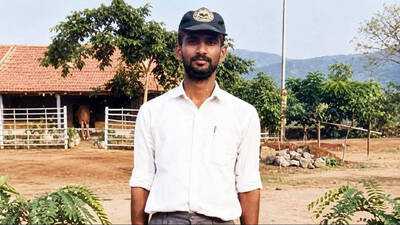
In 1991, when a message came that Veerappan was ready to surrender, Srinivas agreed to meet him. He did not return from that meeting.
Who was P Srinivas?Srinivas was born on September 12, 1954, in Rajahmundry, Andhra Pradesh. He completed his master's degree in Life Sciences from Andhra University in 1976 and received a gold medal, according to a profile published by the Dr MCR HRD Institute. He joined the Indian Forest Service in 1979 and was allotted the Karnataka cadre.
By the time he was posted in the forests of Karnataka, Veerappan had become a major challenge for forest and police authorities.
Srinivas became part of the Special Task Force formed to track the smuggler and his gang.
He tried to win over the villagersSrinivas believed that dealing with Veerappan required more than searching the forest for his gang.
Gopinatham and other settlements in the region had poor access to basic facilities. Srinivas worked on roads, drinking water and healthcare facilities. He also helped construct more than 40 houses for homeless families. Accounts of his work say he used his own salary and borrowed money from friends and relatives for some of these efforts.
He also established a mobile dispensary and learnt basic medical skills to help people in remote areas.
At Gopinatham, he helped build a Mariamman temple, which became another part of his connection with the village. Years later, villagers continued to remember him and his photograph was kept at the temple.
The officer who persuaded gang members to surrenderSrinivas also focused on rehabilitation.
Former forest officer B K Singh, who worked with Srinivas, later recalled that Srinivas had helped persuade a large number of Veerappan's hardcore associates to surrender during 1990-91. According to Singh, the gang was significantly weakened after these surrenders.
One of those who surrendered was Arjuna, Veerappan's younger brother.
Srinivas helped some of the surrendered men obtain legal assistance and tried to help them return to ordinary life.
This approach made him popular among villagers but also increased the threat from Veerappan's gang.
The final meeting with VeerappanIn July 1991, Srinivas's tenure with the Special Task Force ended, but he continued working in the area. On November 9, he received information that Veerappan was willing to surrender if Srinivas came to meet him without police protection and without a weapon.
The official gallantry citation records that Srinivas proceeded to the designated rendezvous. He was accompanied by 11 men, including a smuggler who had become an informer. Srinivas himself was unarmed.
On the morning of November 10, 1991, the group reached the meeting point.
According to the official citation, Veerappan ordered his lieutenant to shoot Srinivas. The forest officer was killed. His body was later found by a search party, without his head.
Srinivas was 37 years old.
The Kirti Chakra came after his deathThe Karnataka government recommended Srinivas for a gallantry award following his death. On January 26, 1992, he was posthumously awarded the Kirti Chakra, one of India's highest peacetime gallantry awards. His mother received the award from the President of India.
His connection with Gopinatham did not end with his death.
In 2022, reports noted that villagers continued to honour him, with his photograph displayed at the temple and a bust being installed in his memory. The Karnataka Forest Department also restored the jeep he had used and displayed it along with other memorabilia at a museum in Kollegal.
Veerappan survived for another 13 yearsThe man Srinivas had tried to persuade to surrender remained at large.
Veerappan was eventually killed in a police operation in October 2004, nearly 13 years after Srinivas's death.
But the legacy of the forest officer is remembered differently in Gopinatham. He is associated not only with the operation against Veerappan but also with roads, homes, healthcare, water facilities and efforts to persuade members of the gang to abandon their lives in the forest.
For students preparing for the civil services, Srinivas's story offers a different picture of what public service can involve. His work combined law enforcement with development and an attempt to build trust among communities living in difficult conditions.
His final mission ended in tragedy, but the people he had served continued to remember him long after he was gone.
His name was Pandillapalli Srinivas . Posted in Karnataka's forest areas bordering Tamil Nadu, Srinivas worked not only to track Veerappan and his gang but also to change the conditions that had made it easier for the outlaw to operate. He helped bring roads and drinking water to remote settlements, started a mobile dispensary and helped build homes for families in Gopinatham , Veerappan's native village.
In 1991, when a message came that Veerappan was ready to surrender, Srinivas agreed to meet him. He did not return from that meeting.
Who was P Srinivas?Srinivas was born on September 12, 1954, in Rajahmundry, Andhra Pradesh. He completed his master's degree in Life Sciences from Andhra University in 1976 and received a gold medal, according to a profile published by the Dr MCR HRD Institute. He joined the Indian Forest Service in 1979 and was allotted the Karnataka cadre.
By the time he was posted in the forests of Karnataka, Veerappan had become a major challenge for forest and police authorities.
Srinivas became part of the Special Task Force formed to track the smuggler and his gang.
He tried to win over the villagersSrinivas believed that dealing with Veerappan required more than searching the forest for his gang.
Gopinatham and other settlements in the region had poor access to basic facilities. Srinivas worked on roads, drinking water and healthcare facilities. He also helped construct more than 40 houses for homeless families. Accounts of his work say he used his own salary and borrowed money from friends and relatives for some of these efforts.
He also established a mobile dispensary and learnt basic medical skills to help people in remote areas.
At Gopinatham, he helped build a Mariamman temple, which became another part of his connection with the village. Years later, villagers continued to remember him and his photograph was kept at the temple.
The officer who persuaded gang members to surrenderSrinivas also focused on rehabilitation.
Former forest officer B K Singh, who worked with Srinivas, later recalled that Srinivas had helped persuade a large number of Veerappan's hardcore associates to surrender during 1990-91. According to Singh, the gang was significantly weakened after these surrenders.
One of those who surrendered was Arjuna, Veerappan's younger brother.
Srinivas helped some of the surrendered men obtain legal assistance and tried to help them return to ordinary life.
This approach made him popular among villagers but also increased the threat from Veerappan's gang.
The final meeting with VeerappanIn July 1991, Srinivas's tenure with the Special Task Force ended, but he continued working in the area. On November 9, he received information that Veerappan was willing to surrender if Srinivas came to meet him without police protection and without a weapon.
The official gallantry citation records that Srinivas proceeded to the designated rendezvous. He was accompanied by 11 men, including a smuggler who had become an informer. Srinivas himself was unarmed.
On the morning of November 10, 1991, the group reached the meeting point.
According to the official citation, Veerappan ordered his lieutenant to shoot Srinivas. The forest officer was killed. His body was later found by a search party, without his head.
Srinivas was 37 years old.
The Kirti Chakra came after his deathThe Karnataka government recommended Srinivas for a gallantry award following his death. On January 26, 1992, he was posthumously awarded the Kirti Chakra, one of India's highest peacetime gallantry awards. His mother received the award from the President of India.
His connection with Gopinatham did not end with his death.
In 2022, reports noted that villagers continued to honour him, with his photograph displayed at the temple and a bust being installed in his memory. The Karnataka Forest Department also restored the jeep he had used and displayed it along with other memorabilia at a museum in Kollegal.
Veerappan survived for another 13 yearsThe man Srinivas had tried to persuade to surrender remained at large.
Veerappan was eventually killed in a police operation in October 2004, nearly 13 years after Srinivas's death.
But the legacy of the forest officer is remembered differently in Gopinatham. He is associated not only with the operation against Veerappan but also with roads, homes, healthcare, water facilities and efforts to persuade members of the gang to abandon their lives in the forest.
For students preparing for the civil services, Srinivas's story offers a different picture of what public service can involve. His work combined law enforcement with development and an attempt to build trust among communities living in difficult conditions.
His final mission ended in tragedy, but the people he had served continued to remember him long after he was gone.
Next Story