
Jamia Millia Islamia Students Boycott Online Classes, Demand Resumption of On-Campus Learning


New Delhi, October 29 (Daily Kiran) : Students from the Centre for West Asian Studies and the Department of Sociology at Jamia Millia Islamia University staged a complete boycott of online classes on Thursday. They cited disruptions to academic progress and research as reasons for their demand to restore in-person classes on campus. This protest marks the 18th day of ongoing demonstrations calling for the reinstatement of the Jamia Millia Islamia Student Union and opposing actions against protesters, including demands for the removal of the university's chief inspector.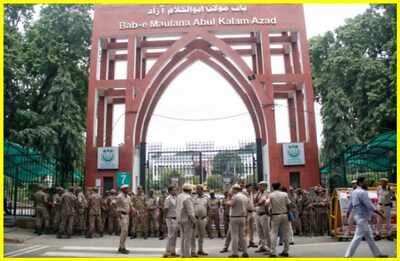 In an official statement, students from the Centre for West Asian Studies expressed their opposition to the university's directive extending online classes until November 24. They also noted that all practical and theoretical examinations for odd semester students would be conducted online due to what the university described as an unsuitable academic environment. The statement emphasized that extending online classes indefinitely without a clear timeline or consultation with students disrupts their academic progress, research efforts, and institutional engagement.Citing the importance of physical access to campus facilities, the Centre for West Asian Studies highlighted that access to the central library, physical archives, specialized journals, and primary reference materials is essential for their coursework and research needs. They argued that these academic resources cannot be effectively replicated or replaced through online platforms. Additionally, many students continue to bear financial burdens related to accommodation, travel, and daily living expenses in Delhi, and they expect the university to fulfill its commitment to providing a conducive educational environment on campus.In solidarity with the student community and to protect their academic rights, students from the Centre announced a full boycott of online classes until normal academic activities and campus access are restored. They clarified that participation in online classes under any attendance requirements or administrative policies would not be considered as voluntary acceptance of the university's directive. In a letter of demands, students from the Centre called for immediate restoration of campus access, a definitive operational schedule, constructive administrative cooperation, a timeline for constitutional drafts, and academic security.Similarly, the Sociology Department's student union rejected the decision to extend online classes until the end of the first semester. Their official statement condemned the arbitrary extension of online education without a clear timeline or meaningful consultation with students, asserting that those wishing to pursue fully online education could opt for distance learning programs. The Sociology Department's union also raised concerns regarding students' housing, food, travel, and other living expenses.They stressed that protesting students should not be viewed as "enemies" of the institution or as threats. The statement suggested that if protesters have become disruptive, the administration should provide them with a timeline for constitutional drafts to resolve the matter. It criticized the use of institutional authority in a manner that effectively punishes the broader student community for demanding accountability. The union declared that students had voluntarily decided to resume their boycott of online classes.They warned that any participation in virtual classes—whether due to attendance requirements, academic uncertainty, or fear of negative consequences from university policies—would not constitute collective acceptance of the administration's decision.
Next Story