
JD Vance defends US immigration policy, says social cohesion must be a priority


US Vice President JD Vance has defended the Trump administration’s immigration approach, saying the system should promote social cohesion while protecting American workers from exploitative hiring practices.
“My goal here is to make it so that we can have a country with some baseline of social cohesion and sense of community,” Vance said in a post on his official X account. “I don't think it's unreasonable for an American citizen to want to share their community with people they have something in common with, and I think our immigration system has to build that.”
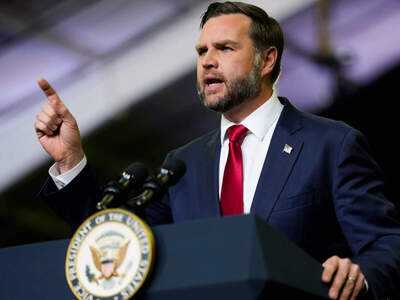
His remarks come amid increased scrutiny of employment-based immigration, including temporary work visas and employer-sponsored green cards, under President Donald Trump's administration.
Vance explains criticism of H-1B hiring
Vance made the comments during a CBS News town hall that aired on October 17, where voters in Michigan questioned him about immigration policy, living costs and other issues. He also addressed criticism of his earlier description of some H-1B visa holders as “foreign indentured servants”.
Vance said his criticism was directed at companies that he believes take advantage of foreign workers, rather than at the workers themselves.
Also read: India slams JD Vance's H-1B remarks, defends Indian workers
“To the extent that my rhetoric has been imperfect here, that's on me,” Vance said, according to a source. He argued that some employers recruit foreign workers while laying off American employees, leaving visa holders vulnerable because losing their jobs can put their ability to remain in the US at risk.
Vance said he did not intend to dehumanise immigrants but maintained that immigration could affect a country's social and cultural character.
What it means for Indian professionals
The comments come as the Trump administration steps up enforcement of employment-based immigration rules. Actions involving employers' labour certification practices have also raised concerns about the green card sponsorship process for foreign workers. For Indian professionals in the US, H-1B employment and permanent residence are closely linked in many cases. Workers may depend on their employers not only for continued employment but also for sponsorship through the green card process.
Also read: H-1B programme ‘completely broken’, says JD Vance; backs its abolition
Losing a job can complicate an H-1B holder's immigration status. Depending on individual circumstances, the worker may need to find another sponsoring employer, change status or make other arrangements within the time allowed under US immigration rules.
Vance's remarks do not announce any new visa restrictions or changes to H-1B eligibility. They instead reflect the administration's stated position that immigration policy should protect American workers and consider the effects of immigration on local communities. US technology companies, meanwhile, continue to rely on international professionals to fill specialised roles, keeping the debate over foreign talent and domestic employment in focus.
“My goal here is to make it so that we can have a country with some baseline of social cohesion and sense of community,” Vance said in a post on his official X account. “I don't think it's unreasonable for an American citizen to want to share their community with people they have something in common with, and I think our immigration system has to build that.”
His remarks come amid increased scrutiny of employment-based immigration, including temporary work visas and employer-sponsored green cards, under President Donald Trump's administration.
Vance explains criticism of H-1B hiring
Vance made the comments during a CBS News town hall that aired on October 17, where voters in Michigan questioned him about immigration policy, living costs and other issues. He also addressed criticism of his earlier description of some H-1B visa holders as “foreign indentured servants”.
Vance said his criticism was directed at companies that he believes take advantage of foreign workers, rather than at the workers themselves.
Also read: India slams JD Vance's H-1B remarks, defends Indian workers
“To the extent that my rhetoric has been imperfect here, that's on me,” Vance said, according to a source. He argued that some employers recruit foreign workers while laying off American employees, leaving visa holders vulnerable because losing their jobs can put their ability to remain in the US at risk.
Vance said he did not intend to dehumanise immigrants but maintained that immigration could affect a country's social and cultural character.
What it means for Indian professionals
The comments come as the Trump administration steps up enforcement of employment-based immigration rules. Actions involving employers' labour certification practices have also raised concerns about the green card sponsorship process for foreign workers. For Indian professionals in the US, H-1B employment and permanent residence are closely linked in many cases. Workers may depend on their employers not only for continued employment but also for sponsorship through the green card process.
Also read: H-1B programme ‘completely broken’, says JD Vance; backs its abolition
Losing a job can complicate an H-1B holder's immigration status. Depending on individual circumstances, the worker may need to find another sponsoring employer, change status or make other arrangements within the time allowed under US immigration rules.
Vance's remarks do not announce any new visa restrictions or changes to H-1B eligibility. They instead reflect the administration's stated position that immigration policy should protect American workers and consider the effects of immigration on local communities. US technology companies, meanwhile, continue to rely on international professionals to fill specialised roles, keeping the debate over foreign talent and domestic employment in focus.
Next Story