
Largest Electricity Source In India And Future Energy Trends

India’s energy sector is at a crucial stage of transformation. With rising industrial growth and increasing household demand, the country requires a reliable and consistent supply of electricity. While renewable energy is expanding rapidly, the largest source of electricity in India continues to be coal.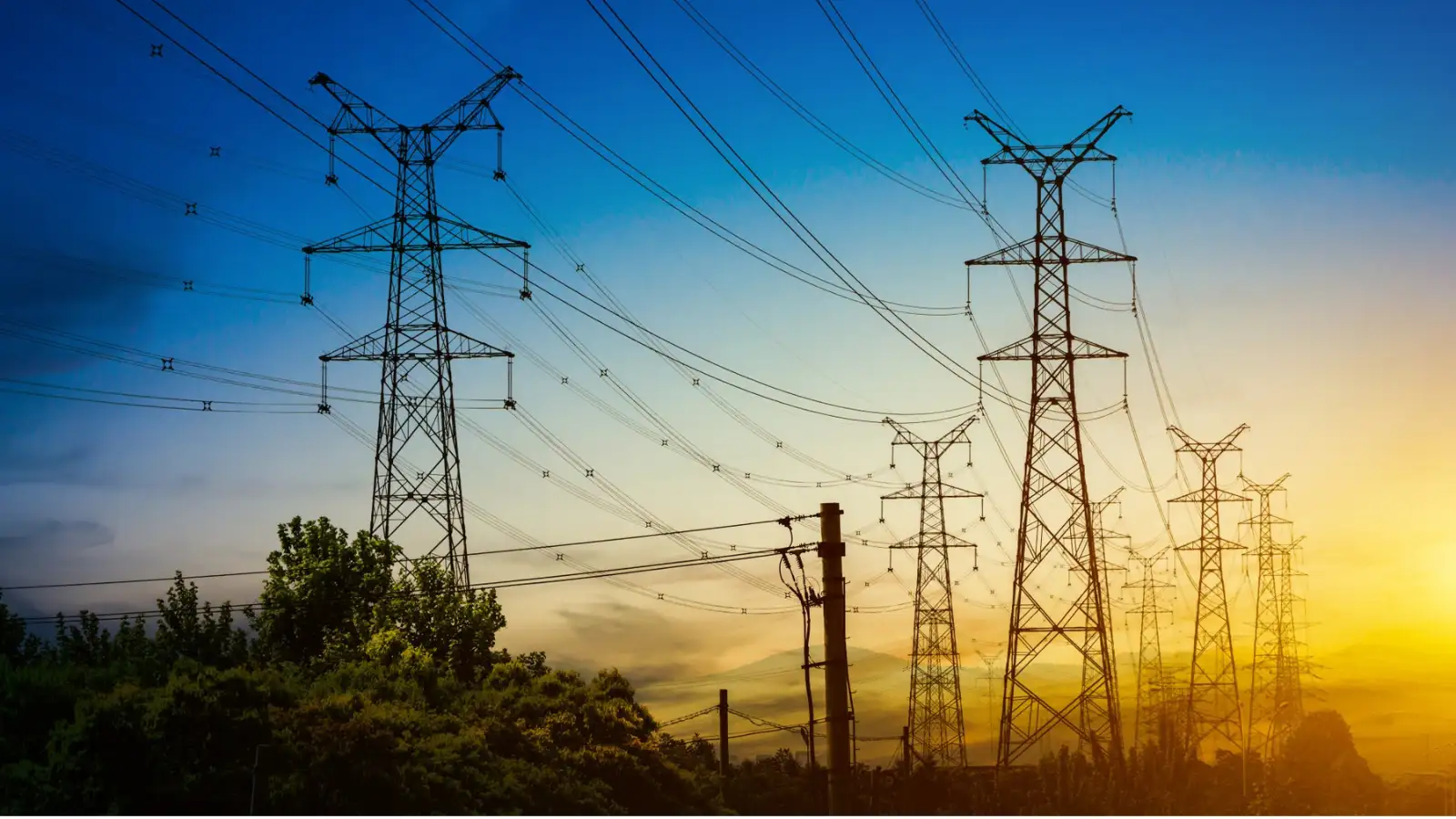
However, there is a clear difference between installed capacity and actual generation. Renewable sources like solar and wind are dependent on weather conditions. This limits their contribution to real-time electricity production, making coal power India essential for consistent supply.
Another factor is cost efficiency. Although renewable energy projects are growing, coal-based plants still offer a stable and relatively affordable solution for large-scale electricity generation. Additionally, coal supports base load demand, which refers to the continuous minimum level of power required throughout the day.
The leading contributor and foundation of thermal power India , providing steady electricity.
Renewable Energy
Includes solar and wind, which are the fastest-growing segments in the power generation sources India .
Hydropower
A stable and clean energy source, especially in northern and north-eastern regions.
Natural Gas
Used for peak demand but limited due to high costs.
Nuclear Energy
Provides clean and reliable power, though its share remains relatively small.
In renewable energy, Rajasthan leads in solar power production due to high solar exposure. Gujarat is a major hub for both wind and solar energy, while Karnataka has successfully integrated multiple renewable sources.
In the coming years, advancements in battery storage and grid technology are expected to increase the share of renewables. This shift will gradually reduce dependence on coal and move India towards a more sustainable energy system.
Largest Source of Electricity in India
As of 2026, coal-based thermal power remains the backbone of the electricity generation India 2026 landscape. Coal contributes nearly 70 to 75 percent of the total electricity generated in the country. Despite strong growth in renewable energy India , coal power continues to dominate due to its ability to provide uninterrupted electricity.Electricity Generation Mix in India
The India energy mix is diverse and includes coal, renewable energy, hydroelectric power, natural gas, and nuclear energy. While India’s total installed capacity has crossed 500 GW, more than half now comes from non-fossil sources such as solar, wind, and hydro.However, there is a clear difference between installed capacity and actual generation. Renewable sources like solar and wind are dependent on weather conditions. This limits their contribution to real-time electricity production, making coal power India essential for consistent supply.
Why Coal Remains the Largest Source
One of the main reasons coal dominates the India electricity sector is its availability. India has one of the largest coal reserves in the world, ensuring energy security and reducing dependence on imports.Another factor is cost efficiency. Although renewable energy projects are growing, coal-based plants still offer a stable and relatively affordable solution for large-scale electricity generation. Additionally, coal supports base load demand, which refers to the continuous minimum level of power required throughout the day.
Top Sources of Electricity in India
Coal PowerThe leading contributor and foundation of thermal power India , providing steady electricity.
Renewable Energy
Includes solar and wind, which are the fastest-growing segments in the power generation sources India .
Hydropower
A stable and clean energy source, especially in northern and north-eastern regions.
Natural Gas
Used for peak demand but limited due to high costs.
Nuclear Energy
Provides clean and reliable power, though its share remains relatively small.
State-wise Power Generation in India
States like Odisha and Chhattisgarh are major centres for coal mining and thermal power production. Uttar Pradesh has large thermal power clusters that contribute significantly to electricity generation.In renewable energy, Rajasthan leads in solar power production due to high solar exposure. Gujarat is a major hub for both wind and solar energy, while Karnataka has successfully integrated multiple renewable sources.
India’s Energy Future
India is following a balanced approach to energy development. While coal will remain the largest source of electricity in India in the near future, the country is making strong progress towards clean energy goals. The target of achieving 500 GW of non-fossil fuel capacity highlights this commitment.In the coming years, advancements in battery storage and grid technology are expected to increase the share of renewables. This shift will gradually reduce dependence on coal and move India towards a more sustainable energy system.
Next Story