
Odisha students' union elections on October 15 after eight-year hiatus; check schedule, rules and eligibility


Students’ union elections will return to colleges and universities across Odisha on October 15, ending an eight-year hiatus in campus polls. Higher Education Minister Suryabanshi Suraj announced the schedule on Monday after a meeting with Chief Minister Mohan Charan Majhi at Lok Seva Bhawan in Bhubaneswar.
The elections, which have remained suspended since 2018, will be conducted in accordance with the recommendations of the Lyngdoh Committee. The state government has said the exercise is intended to provide students with an opportunity to develop leadership skills at the college level.
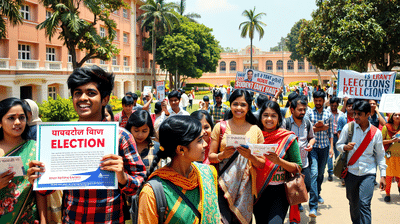
The polls will cover state public universities and government and aided degree colleges for the 2026-27 academic session. The election process will begin with the issuance of notifications on October 7, followed by nominations, scrutiny and withdrawal before polling on October 15 according to media reports.
Odisha students’ union election 2026: Check complete scheduleThe Higher Education Department has laid down a tightly scheduled election process to ensure that the polls are completed without prolonged disruption to academic activities.
The elected representatives will take oath on October 16, with the ceremony scheduled before noon.
Who can contest Odisha students’ union elections?The election guidelines prescribe age, attendance and academic requirements for students seeking to contest.
Undergraduate students enrolled in three-year degree programmes must be between 17 and 22 years of age, while postgraduate candidates can be up to 25 years old as on the date of notification. Candidates must also have at least 75% classroom attendance and should not have academic arrears in the year in which they contest.
Candidates must be regular, full-time students of the concerned institution. Students enrolled through distance education or under the public-private partnership mode will not be eligible to contest. The guidelines also bar candidates with previous criminal records or pending disciplinary proceedings.
A student can contest for an office-bearer post only once and for an executive member post twice.
Campaigning to remain tightly regulatedThe return of campus elections comes with a detailed code of conduct governing both candidates and their supporters.
Candidates have been directed to maintain decorum during campaigning, including on social media. Abusive or objectionable language, personal attacks, defamatory or baseless allegations and false or misleading information are prohibited. The guidelines also specifically prohibit manipulated and AI-generated fake content during the election process.
Printed posters and pamphlets will not be permitted. Candidates can use handmade posters at locations authorised by the institution. Meetings and rallies within campuses will require prior written permission, while campaign activities outside the campus are restricted.
Candidates can spend a maximum of Rs 5,000The government has also imposed a ceiling on campaign expenditure. Each candidate will be permitted to spend a maximum of Rs 5,000 on the election campaign.
Candidates will have to submit their expenditure accounts to the college or university within two weeks of the declaration of results. The institution will subsequently upload the expenditure details on the HIMS Portal.
The guidelines also prohibit candidates from receiving financial support from political parties. Campaign funding will have to come through permitted voluntary contributions, keeping the student election process separate from political-party financing.
Elections to remain separate from political partiesThe Higher Education Department has emphasised that the student elections must remain independent of political parties. The rules also seek to prevent campaigning based on caste or communal considerations, inducements, intimidation and other practices that could influence voters improperly.
The government has directed institutions to follow the prescribed procedures and Supreme Court-related guidelines while ensuring that the election process causes minimum disruption to teaching and learning.
The restoration of students’ union elections marks the return of an electoral process that has been absent from Odisha's campuses since 2018. The previous elections were held in 2017, with the polls subsequently remaining suspended amid campus-related concerns and later the disruption caused by the Covid-19 pandemic.
The elections, which have remained suspended since 2018, will be conducted in accordance with the recommendations of the Lyngdoh Committee. The state government has said the exercise is intended to provide students with an opportunity to develop leadership skills at the college level.
The polls will cover state public universities and government and aided degree colleges for the 2026-27 academic session. The election process will begin with the issuance of notifications on October 7, followed by nominations, scrutiny and withdrawal before polling on October 15 according to media reports.
Odisha students’ union election 2026: Check complete scheduleThe Higher Education Department has laid down a tightly scheduled election process to ensure that the polls are completed without prolonged disruption to academic activities.
The elected representatives will take oath on October 16, with the ceremony scheduled before noon.
Who can contest Odisha students’ union elections?The election guidelines prescribe age, attendance and academic requirements for students seeking to contest.
Undergraduate students enrolled in three-year degree programmes must be between 17 and 22 years of age, while postgraduate candidates can be up to 25 years old as on the date of notification. Candidates must also have at least 75% classroom attendance and should not have academic arrears in the year in which they contest.
Candidates must be regular, full-time students of the concerned institution. Students enrolled through distance education or under the public-private partnership mode will not be eligible to contest. The guidelines also bar candidates with previous criminal records or pending disciplinary proceedings.
A student can contest for an office-bearer post only once and for an executive member post twice.
Campaigning to remain tightly regulatedThe return of campus elections comes with a detailed code of conduct governing both candidates and their supporters.
Candidates have been directed to maintain decorum during campaigning, including on social media. Abusive or objectionable language, personal attacks, defamatory or baseless allegations and false or misleading information are prohibited. The guidelines also specifically prohibit manipulated and AI-generated fake content during the election process.
Printed posters and pamphlets will not be permitted. Candidates can use handmade posters at locations authorised by the institution. Meetings and rallies within campuses will require prior written permission, while campaign activities outside the campus are restricted.
Candidates can spend a maximum of Rs 5,000The government has also imposed a ceiling on campaign expenditure. Each candidate will be permitted to spend a maximum of Rs 5,000 on the election campaign.
Candidates will have to submit their expenditure accounts to the college or university within two weeks of the declaration of results. The institution will subsequently upload the expenditure details on the HIMS Portal.
The guidelines also prohibit candidates from receiving financial support from political parties. Campaign funding will have to come through permitted voluntary contributions, keeping the student election process separate from political-party financing.
Elections to remain separate from political partiesThe Higher Education Department has emphasised that the student elections must remain independent of political parties. The rules also seek to prevent campaigning based on caste or communal considerations, inducements, intimidation and other practices that could influence voters improperly.
The government has directed institutions to follow the prescribed procedures and Supreme Court-related guidelines while ensuring that the election process causes minimum disruption to teaching and learning.
The restoration of students’ union elections marks the return of an electoral process that has been absent from Odisha's campuses since 2018. The previous elections were held in 2017, with the polls subsequently remaining suspended amid campus-related concerns and later the disruption caused by the Covid-19 pandemic.
Next Story