
Discover Why Shivling Is Called The Pyramid Peak Of The Himalayas

The Himalayas feature some of the most breathtaking mountains on Earth, known for their towering heights and dramatic landscapes. Among these remarkable peaks, Shivling Peak has earned a special reputation due to its perfectly shaped summit. Often referred to as the Pyramid Peak of the Himalayas , Shivling stands as one of the most visually striking mountains in India.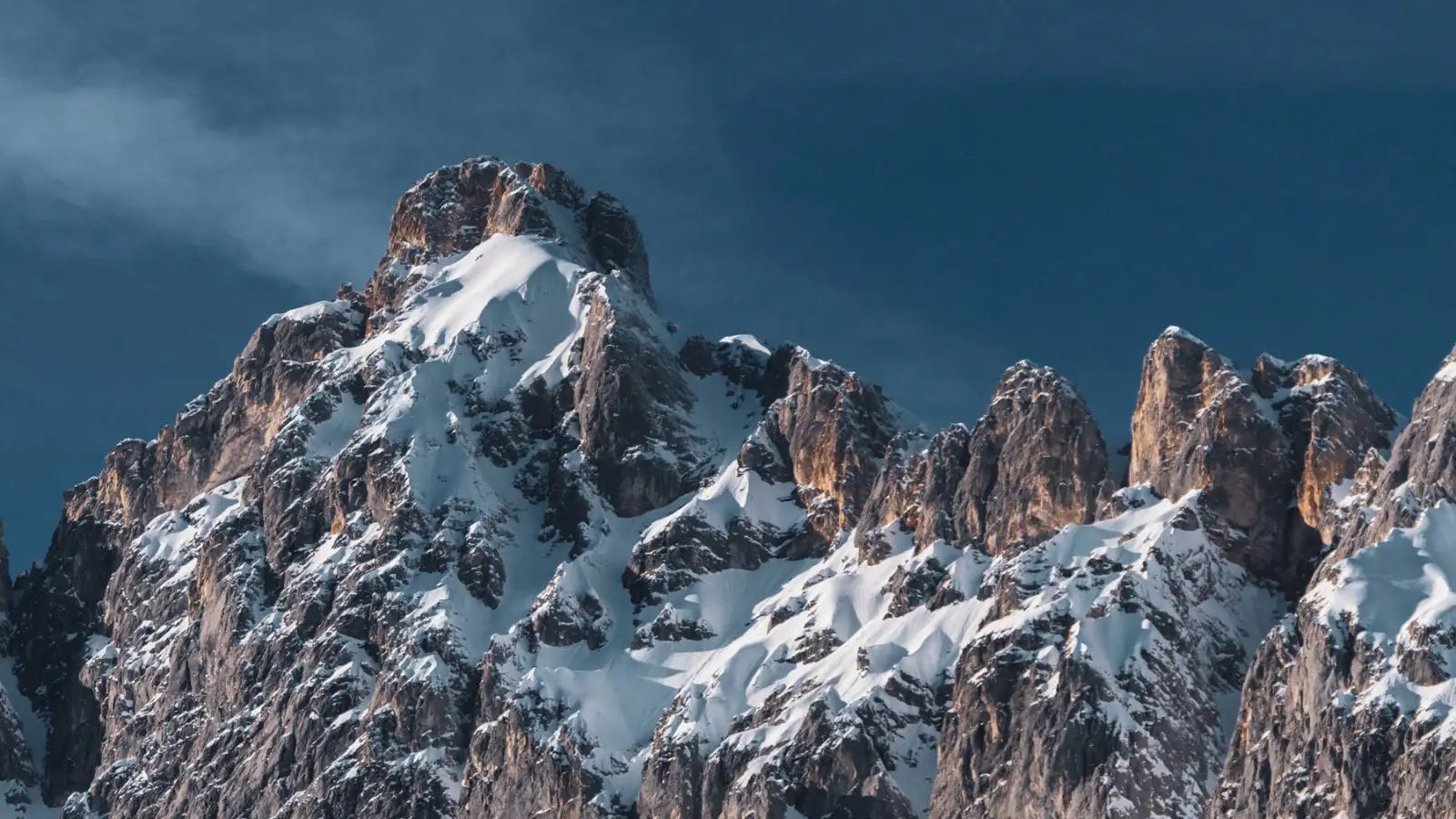
Shivling: The Pyramid Peak of the Himalayas
Shivling Peak rises to an elevation of approximately 6,543 metres above sea level. Its sharply pointed summit and symmetrical slopes create a stunning pyramid-like shape, which is why it is popularly known as the Pyramid Peak of the Himalayas. This unique geometric appearance makes the mountain stand out even among the majestic Himalayan ranges.
Location of Shivling Peak
The famous Shivling Peak is located in the Garhwal Himalayas of Uttarakhand, India, near the sacred Gangotri Glacier. This glacier region is particularly important because it is one of the primary sources of the Ganga River system. The mountain forms part of the Gangotri group of peaks, surrounded by dramatic glaciers and rugged terrain.
Read More: Which Mountain Holds The Title Of The Third Highest Peak In The World
Why Shivling Is Called the Pyramid Peak
The reason behind the nickname Pyramid Peak of the Himalayas lies in its structure. The mountain features steep ridges and smooth, symmetrical faces that form a near-perfect pyramid when viewed from certain angles. Its striking triangular silhouette makes it one of the most recognisable and photographed peaks in the Himalayan region.
Geographic and Cultural Importance
Beyond its impressive appearance, Shivling also holds great cultural significance. The mountain lies close to major pilgrimage routes leading to Gangotri, one of the sacred sites associated with the origin of the Ganga River. Because of this spiritual connection, the surrounding landscape is deeply respected in Hindu tradition.
Fascinating Facts About Shivling Peak
Perfect Symmetry
Shivling’s triangular profile gives it the appearance of a natural pyramid, making it a favourite subject for photographers and explorers.
A Challenging Climb
Although it is not among the tallest Himalayan mountains , its steep rock and ice faces make it a technically demanding climb for mountaineers.
Glacial Surroundings
The peak rises above major glaciers in the Garhwal region, which contribute to important river systems across northern India.
Spiritual Landscape
Its location near sacred pilgrimage routes adds symbolic importance to the mountain’s dramatic beauty.
Shivling Peak truly deserves its title as the Pyramid Peak of the Himalayas, combining natural symmetry, mountaineering challenge, and cultural significance in one extraordinary landmark.
Shivling: The Pyramid Peak of the Himalayas
Shivling Peak rises to an elevation of approximately 6,543 metres above sea level. Its sharply pointed summit and symmetrical slopes create a stunning pyramid-like shape, which is why it is popularly known as the Pyramid Peak of the Himalayas. This unique geometric appearance makes the mountain stand out even among the majestic Himalayan ranges. Location of Shivling Peak
The famous Shivling Peak is located in the Garhwal Himalayas of Uttarakhand, India, near the sacred Gangotri Glacier. This glacier region is particularly important because it is one of the primary sources of the Ganga River system. The mountain forms part of the Gangotri group of peaks, surrounded by dramatic glaciers and rugged terrain.Read More: Which Mountain Holds The Title Of The Third Highest Peak In The World
Why Shivling Is Called the Pyramid Peak
The reason behind the nickname Pyramid Peak of the Himalayas lies in its structure. The mountain features steep ridges and smooth, symmetrical faces that form a near-perfect pyramid when viewed from certain angles. Its striking triangular silhouette makes it one of the most recognisable and photographed peaks in the Himalayan region.Geographic and Cultural Importance
Beyond its impressive appearance, Shivling also holds great cultural significance. The mountain lies close to major pilgrimage routes leading to Gangotri, one of the sacred sites associated with the origin of the Ganga River. Because of this spiritual connection, the surrounding landscape is deeply respected in Hindu tradition. Fascinating Facts About Shivling Peak
Perfect Symmetry
Shivling’s triangular profile gives it the appearance of a natural pyramid, making it a favourite subject for photographers and explorers. A Challenging Climb
Although it is not among the tallest Himalayan mountains , its steep rock and ice faces make it a technically demanding climb for mountaineers. Glacial Surroundings
The peak rises above major glaciers in the Garhwal region, which contribute to important river systems across northern India.Spiritual Landscape
Its location near sacred pilgrimage routes adds symbolic importance to the mountain’s dramatic beauty. Shivling Peak truly deserves its title as the Pyramid Peak of the Himalayas, combining natural symmetry, mountaineering challenge, and cultural significance in one extraordinary landmark.
Next Story