
Spain train crash disrupts Madrid-Andalusia and two other routes; what tourists need to know


Thousands of passengers travelling between Madrid and southern Spain face cancelled trains, disrupted travel plans and uncertainty over onward journeys after the recent crash involving a Renfe AVE train travelling from Madrid towards Seville and an Iryo train, bringing high-speed rail services along the Madrid-Andalusia corridor to a halt. Tourists heading to Seville, Málaga and Córdoba are among those affected, with travellers needing to check train cancellations, arrange alternative transport and review hotel bookings and connecting journeys as railway authorities assess the damage.
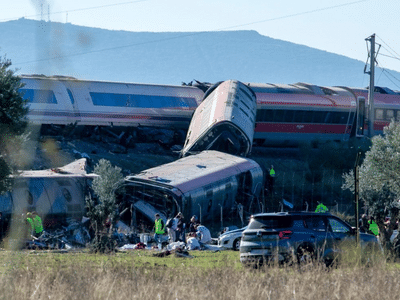
Spain PM, Pedro Sanchez, expressed solidarity with the victims and their families.
Also read: Spain train crash: 30 dead after two high-speed trains collide near Toledo
Which routes are affected?
As TOI reported, the collision has disrupted rail services connecting Madrid with Ciudad Real and Andalusia. This particularly includes the Madrid-Andalusia high-speed railway corridor, including connections serving Seville, Malaga and Cordoba. Services passing through Ciudad Real in Castilla-La Mancha are also affected.
Reuters even mentioned that departures from Madrid-Puerta de Atocha station to destinations on the affected corridor have been disrupted, leaving passengers needing to revise their travel plans. Iryo confirmed the accident and said that all emergency protocols were activated. The company issued the following official statement: “This morning, service 6076, which runs between Madrid and Seville, was involved in an accident near Urda, at kilometre marker 118. Iryo has activated all emergency protocols, working closely with the relevant authorities to manage the situation. As a result, all our services originating from Madrid-Puerta de Atocha and destined for the Southern Corridor have been cancelled. At this time, there is no estimated time for the resumption of service. We will continue to provide updates through our usual channels.”
These connections are popular with international tourists exploring several Spanish cities on one trip. Visitors travelling from Madrid to Seville for its historic landmarks, Cordoba for its famous mosque-cathedral, or Málaga for its Mediterranean coastline may need to delay their journeys or arrange alternative transport.
The full impact on individual services may change as railway authorities assess the damage and update their operating plans.
What should tourists do?
Travellers holding tickets for journeys between Madrid and southern Spain should check their train status directly with Renfe or Iryo before leaving for the station. They should also confirm whether their service has been cancelled, delayed or replaced.
Renfe has said affected passengers can request ticket changes or cancellations without charge. Travellers should check the conditions applicable to their booking and contact the operator if they need to rearrange their journey.
In its official notification, published on X, Renfe has activated the crisis cabinet and the Assistance Plan for Victims of Railway Accidents and their Families (PAVAFF), as well as the support telephone number for victims and families: 900 10 10 20.
The official notice from Iro train on platform X states an update regarding a telephone line set up for the attention of those affected by the incident, providing the contact number 900 001 403. They have put this number at the public's disposal to consult information and receive assistance related to the accident, and they note that they will continue updating the information through their official channels.
The accident occurred on October 28 near Urda, in the province of Toledo, on the high-speed railway line connecting Madrid with Seville. Close to 50 people are reportedly dead, with several others injured as rescue operations continued. The cause of the collision remains under investigation.
Next Story