
US Midterm elections 2026 highlights: Indian-Americans secure key wins; Pia Dandiya enters Congress, Ramaswamy loses


Democrats have won control of both chambers of the US Congress in the November 3, 2026 midterm elections, defeating Republicans in a series of closely watched races and dealing a major setback to President Donald Trump. The results give Democrats the control of the House of Representatives and the Senate for the final two years of Trump's presidency.
The outcome also drew attention to the performance of Indian-American candidates, several of whom secured victories in congressional and state-level races. Four Indian-American Democratic lawmakers retained their seats in the House, while Pia Dandiya won a seat in Florida, marking her entry into Congress.
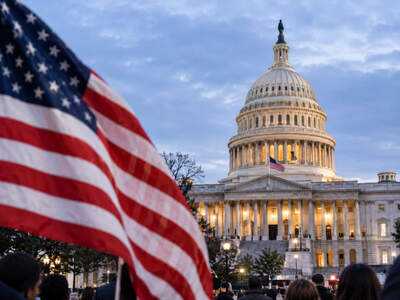
Indian-American candidates have made a strong showing in the 2026 US midterm elections, with four Democratic lawmakers winning re-election to the House of Representatives and Pia Dandiya entering Congress for the first time.
Ami Bera, Ro Khanna, Suhas Subramanyam and Pramila Jayapal have retained their seats, while Dandiya defeated Republican Casey Askar in Florida's 22nd Congressional District. Maryland Lieutenant Governor Aruna Miller also secured another term. However, Republican Vivek Ramaswamy lost the Ohio governor's race to Democrat Amy Acton.
The elections were held on November 3, with all 435 seats in the House of Representatives, 35 Senate seats and 36 governorships among the contests. Several state and local positions were also decided.
Indian-American lawmakers retain House seats
Ami Bera, 61, won an eighth term representing California's 3rd Congressional District, defeating Republican Robb Tucker. A physician by training, Bera first entered Congress in January 2013 and is the longest-serving Indian-American member of the House. He currently serves on the House Foreign Affairs Committee.
Ro Khanna, 50, was re-elected from California's 17th Congressional District, which covers part of Silicon Valley. He will begin his sixth term in January 2027. His parents immigrated to the US from India in the 1970s.
Suhas Subramanyam, 40, retained Virginia's 10th Congressional District, defeating Republican Dave Beckwith. He secured more than 61 per cent of the vote. First elected in 2024, Subramanyam previously served as an adviser to former President Barack Obama.
Pramila Jayapal also secured a sixth term representing Washington's 7th Congressional District. She has been a prominent voice on immigration reform and healthcare. Last month, India's ambassador to the US publicly rebuked her criticism of India's Special Intensive Revision of electoral rolls.
Pia Dandiya enters Congress as Ramaswamy loses
Pia Dandiya, 39, won Florida's 22nd Congressional District with 51.9 per cent of the vote, defeating Republican Casey Askar. A former teacher and high school principal, she was born and raised in Palm Beach County, Florida.
In Maryland, Aruna Miller, a Democrat, won another term as lieutenant governor.
Meanwhile, Vivek Ramaswamy, who received support from President Donald Trump, lost Ohio's gubernatorial election to Democrat Amy Acton. Ramaswamy, whose parents migrated from Kerala, had won the Republican primary in May.
Republican Mahesh Ganorkar also lost his contest for North Carolina's 4th Congressional District to Democratic incumbent Valerie Foushee.
Democrats take control of Congress
The election results also mark a change in control of the US Congress, with Democrats winning majorities in both the House and Senate.
Several other Indian-American candidates, including Amish Shah in Arizona, Nithya Raman in Los Angeles and Pooja Sethi and Sandeep Srivastava in Texas, were also in the contest, with their results still awaited at the time of reporting. The Indian-American community is estimated to have more than five million people in the US, making it the country's second-largest Asian-origin population.
The change gives Democrats the power to challenge the President's legislative agenda, scrutinise his administration and launch congressional investigations. The election results also set the stage for a change in the balance of power in Washington, with the incoming Congress due to take office on January 3, 2027.
The outcome also drew attention to the performance of Indian-American candidates, several of whom secured victories in congressional and state-level races. Four Indian-American Democratic lawmakers retained their seats in the House, while Pia Dandiya won a seat in Florida, marking her entry into Congress.
Indian-American candidates have made a strong showing in the 2026 US midterm elections, with four Democratic lawmakers winning re-election to the House of Representatives and Pia Dandiya entering Congress for the first time.
Ami Bera, Ro Khanna, Suhas Subramanyam and Pramila Jayapal have retained their seats, while Dandiya defeated Republican Casey Askar in Florida's 22nd Congressional District. Maryland Lieutenant Governor Aruna Miller also secured another term. However, Republican Vivek Ramaswamy lost the Ohio governor's race to Democrat Amy Acton.
The elections were held on November 3, with all 435 seats in the House of Representatives, 35 Senate seats and 36 governorships among the contests. Several state and local positions were also decided.
Indian-American lawmakers retain House seats
Ami Bera, 61, won an eighth term representing California's 3rd Congressional District, defeating Republican Robb Tucker. A physician by training, Bera first entered Congress in January 2013 and is the longest-serving Indian-American member of the House. He currently serves on the House Foreign Affairs Committee.
Ro Khanna, 50, was re-elected from California's 17th Congressional District, which covers part of Silicon Valley. He will begin his sixth term in January 2027. His parents immigrated to the US from India in the 1970s.
Suhas Subramanyam, 40, retained Virginia's 10th Congressional District, defeating Republican Dave Beckwith. He secured more than 61 per cent of the vote. First elected in 2024, Subramanyam previously served as an adviser to former President Barack Obama.
Pramila Jayapal also secured a sixth term representing Washington's 7th Congressional District. She has been a prominent voice on immigration reform and healthcare. Last month, India's ambassador to the US publicly rebuked her criticism of India's Special Intensive Revision of electoral rolls.
Pia Dandiya enters Congress as Ramaswamy loses
Pia Dandiya, 39, won Florida's 22nd Congressional District with 51.9 per cent of the vote, defeating Republican Casey Askar. A former teacher and high school principal, she was born and raised in Palm Beach County, Florida.
In Maryland, Aruna Miller, a Democrat, won another term as lieutenant governor.
Meanwhile, Vivek Ramaswamy, who received support from President Donald Trump, lost Ohio's gubernatorial election to Democrat Amy Acton. Ramaswamy, whose parents migrated from Kerala, had won the Republican primary in May.
Republican Mahesh Ganorkar also lost his contest for North Carolina's 4th Congressional District to Democratic incumbent Valerie Foushee.
Democrats take control of Congress
The election results also mark a change in control of the US Congress, with Democrats winning majorities in both the House and Senate.
Several other Indian-American candidates, including Amish Shah in Arizona, Nithya Raman in Los Angeles and Pooja Sethi and Sandeep Srivastava in Texas, were also in the contest, with their results still awaited at the time of reporting. The Indian-American community is estimated to have more than five million people in the US, making it the country's second-largest Asian-origin population.
The change gives Democrats the power to challenge the President's legislative agenda, scrutinise his administration and launch congressional investigations. The election results also set the stage for a change in the balance of power in Washington, with the incoming Congress due to take office on January 3, 2027.
Next Story