
Which Forest Is Called the Forest of Knives? Explore This Sharp Natural Wonder

The Forest of Knives is one of the most fascinating and extreme landscapes on Earth. Known for its razor-sharp rock formations, this natural marvel attracts explorers and nature enthusiasts from across the globe. The Forest of Knives is not made of trees but towering limestone spikes that create a dramatic and almost alien environment.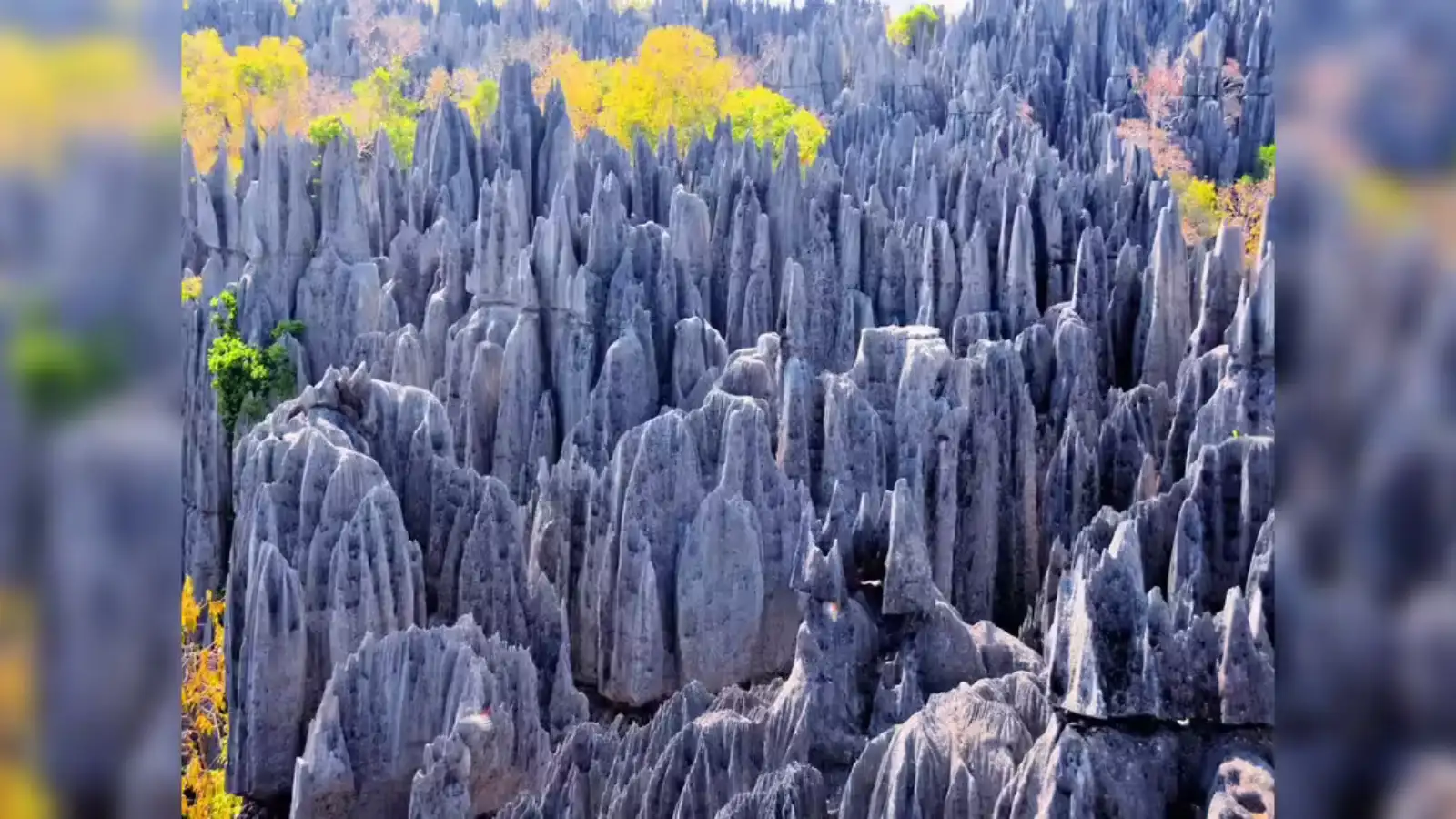
Which Forest Is Known As the Forest of Knives?
The Forest of Knives refers to the breathtaking Tsingy de Bemaraha National Park in Madagascar. Instead of greenery, this “forest” is made up of jagged limestone formations that resemble sharp blades pointing towards the sky.
The name “Tsingy” translates to “a place where one cannot walk barefoot,” perfectly capturing the dangerous and uneven terrain. Formed over millions of years, these needle-like rocks were shaped by continuous rainfall and erosion, making it one of the most unique geological sites in the world. It is also recognised as a UNESCO World Heritage Site due to its rare ecosystem and striking landscape.
A Landscape Unlike Any Other
What makes this place extraordinary is its harsh yet beautiful environment:
Despite its rugged nature, life thrives here in surprising ways.
Rare Wildlife That Defies the Terrain
The Forest of Knives is a biodiversity hotspot filled with species found nowhere else:
This isolated ecosystem acts like a natural sanctuary, protecting wildlife from external threats.
Lesser-Known Facts About the Forest of Knives
Here are some fascinating insights about this unusual landscape:
How the Forest of Knives Was Formed
The formation of this natural wonder is a story millions of years in the making:
1. An Ancient Ocean Floor
Around 200 million years ago, the region lay beneath the sea. Layers of shells, coral, and marine debris accumulated over time.
2. Formation of Limestone
These deposits gradually compressed under pressure, forming thick limestone rock.
3. Uplift of the Land
Tectonic movements pushed the seabed upward, turning it into a plateau above sea level.
4. Erosion Begins
Tropical rains, slightly acidic in nature, began dissolving the softer parts of the limestone.
5. Creation of Sharp Spires
Over time, erosion carved deep cracks and narrow passages, leaving behind sharp, blade-like formations.
6. Hidden Underground World
While the surface sharpened, underground water systems created caves, tunnels, and rivers beneath the rock.
Why the Forest of Knives Matters
The Forest of Knives is not just visually stunning - it is scientifically and environmentally significant:
The Forest of Knives in Madagascar is a true natural masterpiece. With its razor-sharp formations, hidden ecosystems, and rich history, it stands as one of the most extraordinary landscapes on Earth. This remarkable site proves that even the harshest environments can support life and beauty in unexpected ways.
Which Forest Is Known As the Forest of Knives?
The Forest of Knives refers to the breathtaking Tsingy de Bemaraha National Park in Madagascar. Instead of greenery, this “forest” is made up of jagged limestone formations that resemble sharp blades pointing towards the sky.
The name “Tsingy” translates to “a place where one cannot walk barefoot,” perfectly capturing the dangerous and uneven terrain. Formed over millions of years, these needle-like rocks were shaped by continuous rainfall and erosion, making it one of the most unique geological sites in the world. It is also recognised as a UNESCO World Heritage Site due to its rare ecosystem and striking landscape.
A Landscape Unlike Any Other
What makes this place extraordinary is its harsh yet beautiful environment:
- Razor-sharp limestone peaks form dense, maze-like structures
- Narrow pathways and deep crevices make movement extremely challenging
- The terrain looks like a stone forest or a natural fortress
- It remains one of the least accessible places on Earth
Despite its rugged nature, life thrives here in surprising ways.
Rare Wildlife That Defies the Terrain
The Forest of Knives is a biodiversity hotspot filled with species found nowhere else:
- Unique lemurs, including agile sifakas, leap effortlessly across sharp rocks
- Rare birds nest among the limestone towers
- Reptiles and insects have adapted to survive in extreme conditions
- Over 85% of the species here are endemic
This isolated ecosystem acts like a natural sanctuary, protecting wildlife from external threats.
Lesser-Known Facts About the Forest of Knives
Here are some fascinating insights about this unusual landscape:
- The limestone originated from marine life deposits nearly 200 million years ago
- Different layers of the formations support different ecosystems
- Underground caves and rivers exist beneath the sharp surface
- The site became a UNESCO World Heritage Site in 1990
- Natural rock barriers create unique microclimates
- Ancient communities once used its caves for shelter and rituals
- Its extreme terrain once made it nearly impossible for invaders to cross
- Scientists are still discovering new species in the region
- A smaller version, Tsingy de Namoroka National Park, also exists in Madagascar
How the Forest of Knives Was Formed
The formation of this natural wonder is a story millions of years in the making:
1. An Ancient Ocean Floor
Around 200 million years ago, the region lay beneath the sea. Layers of shells, coral, and marine debris accumulated over time.
2. Formation of Limestone
These deposits gradually compressed under pressure, forming thick limestone rock.
3. Uplift of the Land
Tectonic movements pushed the seabed upward, turning it into a plateau above sea level.
4. Erosion Begins
Tropical rains, slightly acidic in nature, began dissolving the softer parts of the limestone.
5. Creation of Sharp Spires
Over time, erosion carved deep cracks and narrow passages, leaving behind sharp, blade-like formations.
6. Hidden Underground World
While the surface sharpened, underground water systems created caves, tunnels, and rivers beneath the rock.
Why the Forest of Knives Matters
The Forest of Knives is not just visually stunning - it is scientifically and environmentally significant:
- It showcases the power of natural erosion over millions of years
- It protects rare and endangered species
- It offers insights into Earth’s geological history
- It remains a symbol of nature’s resilience and adaptability
The Forest of Knives in Madagascar is a true natural masterpiece. With its razor-sharp formations, hidden ecosystems, and rich history, it stands as one of the most extraordinary landscapes on Earth. This remarkable site proves that even the harshest environments can support life and beauty in unexpected ways.
Next Story