
World’s Largest Islands: Top 10 Biggest Islands in the World by Area

The world’s largest islands offer a fascinating glimpse into the planet’s natural diversity, from frozen Arctic landscapes to lush tropical rainforests. These massive landmasses are not just defined by size - they shape ecosystems, influence climate patterns, and hold deep cultural and historical significance. Here’s a closer look at the top 10 biggest islands in the world and what makes each one unique.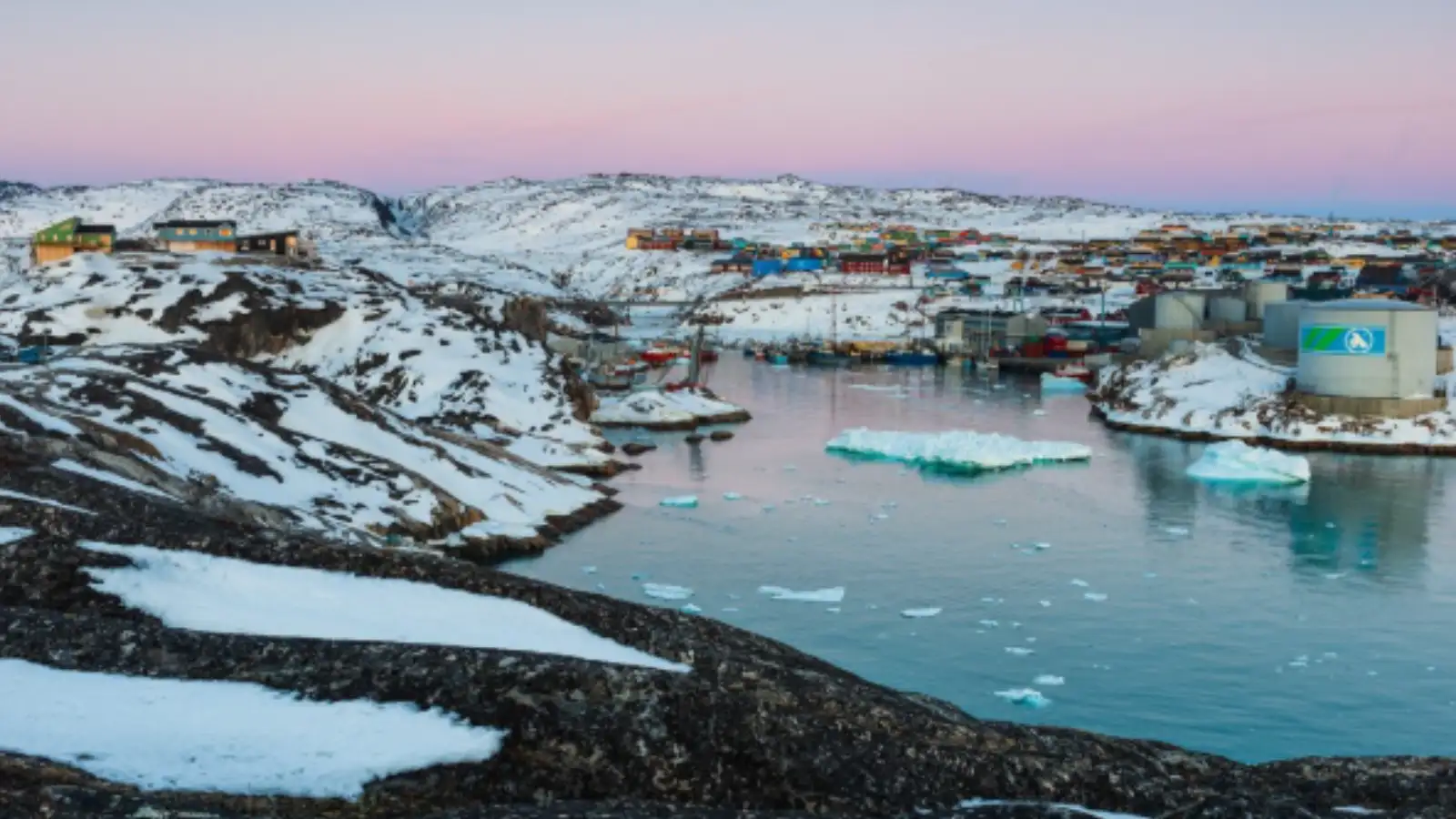
Largest Island in the World: Greenland Leads the List
Topping the list of the world’s largest islands, Greenland stands far ahead with an enormous area of about 2,166,086 sq. km. Mostly covered by ice, this island is known for its dramatic glaciers, Arctic climate, and Inuit heritage. Despite its size, it remains sparsely populated and is governed by Denmark.
Top 10 Largest Islands in the World
1. Greenland (2,166,086 sq. km)
2. New Guinea (821,400 sq. km)
3. Borneo (748,168 sq. km)
4. Madagascar (587,295 sq. km)
5. Baffin Island (507,451 sq. km)
6. Sumatra (443,066 sq. km)
7. Honshu (227,898 sq. km)
8. Victoria Island (217,291 sq. km)
9. Great Britain (209,331 sq. km)
10. Ellesmere Island (196,236 sq. km)
Why These Islands Matter
The world’s largest islands are more than just geographical wonders. They:
From the icy expanse of Greenland to the biodiversity-rich forests of Borneo, the world’s largest islands showcase the incredible variety of our planet. Exploring these islands helps us better understand nature, climate, and the cultures that thrive in these extraordinary environments.
Largest Island in the World: Greenland Leads the List
Topping the list of the world’s largest islands, Greenland stands far ahead with an enormous area of about 2,166,086 sq. km. Mostly covered by ice, this island is known for its dramatic glaciers, Arctic climate, and Inuit heritage. Despite its size, it remains sparsely populated and is governed by Denmark.
Top 10 Largest Islands in the World
1. Greenland (2,166,086 sq. km)
- The largest island globally
- Dominated by ice sheets and glaciers
- Rich in Arctic wildlife and indigenous culture
2. New Guinea (821,400 sq. km)
- Shared between Indonesia and Papua New Guinea
- Known for exceptional biodiversity and tribal cultures
- Home to dense rainforests and rare species
3. Borneo (748,168 sq. km)
- Divided among Indonesia, Malaysia, and Brunei
- Famous for its ancient rainforests and orangutans
- A hotspot for ecological diversity
4. Madagascar (587,295 sq. km)
- Located off the coast of Madagascar
- Renowned for unique wildlife like lemurs
- Over 90% of its species are found nowhere else
5. Baffin Island (507,451 sq. km)
- Situated in Canada
- Known for rugged Arctic terrain and fjords
- One of the least populated regions
6. Sumatra (443,066 sq. km)
- Part of Indonesia
- Features tropical forests and active volcanoes
- Rich in wildlife and national parks
7. Honshu (227,898 sq. km)
- The largest island of Japan
- Economic and cultural hub of the nation
- Home to major cities like Tokyo and Osaka
8. Victoria Island (217,291 sq. km)
- Located in Canada
- Known for its Arctic climate and unique terrain
- Sparsely inhabited with vast wilderness
9. Great Britain (209,331 sq. km)
- Includes England, Scotland, and Wales
- Part of the United Kingdom
- Rich in history, culture, and urban development
10. Ellesmere Island (196,236 sq. km)
- Northernmost island of Canada
- Remote, icy, and largely uninhabited
- Known for glaciers and polar deserts
Why These Islands Matter
The world’s largest islands are more than just geographical wonders. They:
- Support unique ecosystems and rare species
- Influence regional and global climate patterns
- Preserve indigenous cultures and histories
- Offer insights into Earth’s geological evolution
From the icy expanse of Greenland to the biodiversity-rich forests of Borneo, the world’s largest islands showcase the incredible variety of our planet. Exploring these islands helps us better understand nature, climate, and the cultures that thrive in these extraordinary environments.
Next Story