
10 Anime Adaptations That Struggled to Do Justice to Their Beloved Manga

Manga and anime have been closely connected for decades, with many popular Japanese comics eventually making their way to television or streaming platforms. A successful adaptation can introduce a story to an entirely new audience while enhancing its emotional moments through voice acting, music and animation.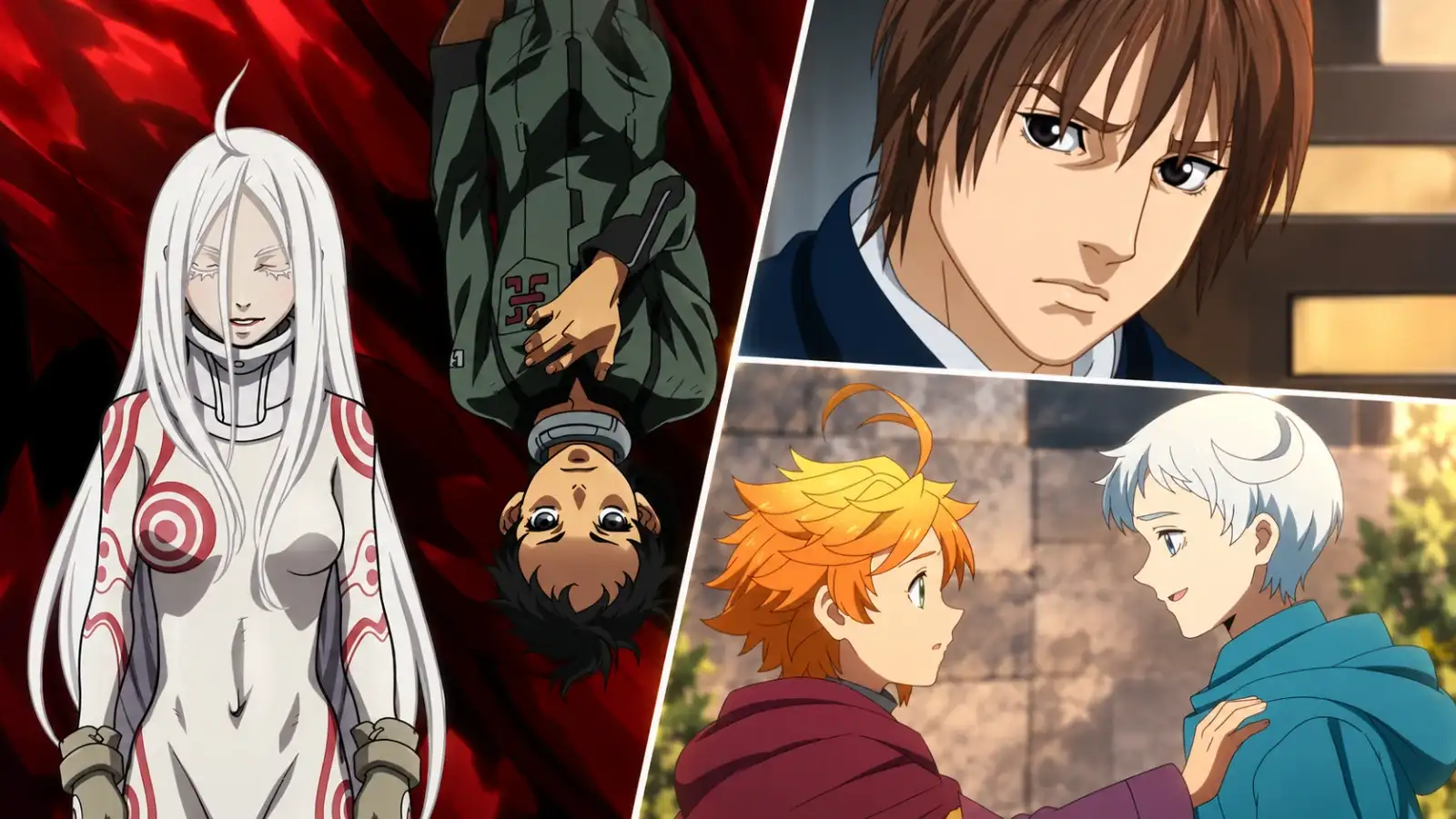
However, bringing a manga to the screen is a complicated process. Limited episode counts, production schedules and creative decisions can significantly affect how a story is presented. Some adaptations leave out important storylines, while others change major characters or introduce original endings that differ from the source material.
In certain cases, the anime struggles to recreate the atmosphere, visual identity or narrative depth that made the manga so popular in the first place.
Here are 10 manga adaptations that faced criticism for falling short of their source material.
The first season of the anime introduced many viewers to the series' fascinating world, but later instalments faced criticism for their approach to the original story.
The biggest change came with Tokyo Ghoul √A, which followed an anime-original direction rather than directly adapting the manga's storyline. This decision altered several character journeys and important plot developments.
When Tokyo Ghoul:re was subsequently adapted, the anime attempted to cover a substantial amount of source material within a limited number of episodes. As a result, several storylines and character developments received considerably less attention than they did in the manga.
The anime retained some of the franchise's memorable characters and moments, but its compressed storytelling made it difficult for viewers unfamiliar with the manga to follow the full narrative.
For readers who appreciated the original work's detailed character exploration, the adaptation offered a significantly different experience.
The 2016 television adaptation faced considerable criticism for its use of computer-generated imagery and the way it presented its action sequences.
The CGI frequently appeared stiff, while certain movements and transitions lacked the visual impact that fans expected from a series as visually demanding as Berserk. These issues became particularly noticeable during sword fights and large-scale confrontations.
The adaptation also began after the events covered in the earlier Berserk: The Golden Age Arc films and did not offer extensive context for viewers unfamiliar with the story.
Its pacing and selection of material further affected the experience, as some important moments from the manga were omitted or condensed.
Although the series attempted to continue Guts's journey, its presentation made it difficult for many viewers to connect with the atmosphere and visual richness of Miura's original work.
The second season, however, took a much more compressed approach to the manga's broader story.
Several major story arcs and characters were left out, including substantial material involving the world beyond Grace Field House. This meant that the anime moved rapidly between important events without allowing enough time to explore their consequences.
The shortened narrative also affected the development of the characters and the complex conflicts introduced in the manga.
Rather than gradually expanding the world and building upon the tension of the first season, the anime rushed towards its conclusion. Several developments that received considerable attention in the manga were either omitted or heavily simplified.
The result was a conclusion that many viewers found unsatisfying, particularly when compared with the much more extensive story told in the original comic.
The second season remains an example of how cutting major story arcs can fundamentally change the experience of an adaptation.
With its enormous battles and complex political conflicts, the manga offered plenty of material for an ambitious anime adaptation.
However, the first season of Kingdom faced criticism for its heavy use of CGI. The computer-generated characters and battlefield scenes created a visual style that many viewers found distracting, particularly when compared with the manga's artwork.
The presentation sometimes made the action feel less dynamic, while the scale and intensity of the original battles were difficult to reproduce effectively.
The early adaptation also had to introduce a vast historical setting and a large cast of characters, making the storytelling challenging for new viewers.
Later seasons adopted a more polished visual approach and received a more favourable response from many fans. Nevertheless, the first season's animation remained a significant obstacle for viewers who expected a more visually engaging representation of Hara's work.
The manga combines fantasy, action and humour, gradually expanding its world and developing its central characters.
The anime adaptation ran for 51 episodes, but it covered only a portion of the original story. As a result, numerous characters, battles and major developments from the manga never appeared in animated form.
The source material continues for considerably longer, offering a much more extensive narrative than the television series managed to deliver.
For viewers who discovered Rave Master through its anime, the story ends without resolving many of its larger conflicts. The adaptation introduces an interesting fantasy world but does not provide the same sense of progression or closure found in the manga.
The biggest problem was not necessarily a fundamental change to the story but the fact that the anime stopped before reaching the conclusion of the original narrative.
Fans interested in Haru's complete journey need to turn to the manga to experience the full adventure.
The narrative follows Tsukune Aono, a human student who accidentally enrols at a school for monsters. There, he meets Moka Akashiya and becomes involved in a world filled with supernatural creatures and dangerous conflicts.
The anime adaptation placed considerably more emphasis on comedy, romantic situations and fan service than the manga's later storylines.
While the animated series retained the central characters and the supernatural school setting, it did not fully explore the darker themes and action-driven developments that became increasingly important in the source material.
Several characters and relationships received different treatment, while the anime relied heavily on standalone episodes rather than building towards the manga's larger conflicts.
This tonal shift meant that viewers who expected the manga's more ambitious narrative progression encountered a lighter and substantially different version of the story.
Although the anime has its own appeal, it does not fully represent the direction taken by the original manga.
The series explores survival, morality and the consequences of being placed in situations beyond human control.
The anime initially follows the manga's storyline, but production limitations eventually led to a significant change in direction. The final episodes move towards an anime-original conclusion rather than continuing to adapt the manga's increasingly complex narrative.
This shift altered the way certain conflicts and character developments were handled. The anime's ending also left several of the manga's larger ideas and future developments unexplored.
Although original endings can sometimes work effectively, the conclusion of Gantz left many viewers without the same sense of narrative scope offered by the source material.
The manga continues to expand its world and explore much larger conflicts, making the anime a considerably more limited interpretation of Oku's work.
The manga gradually reveals the secrets behind the prison, the mysterious experiments taking place there and the powers possessed by certain inmates.
The anime adaptation consisted of just 12 episodes, which gave it limited time to explore the series' extensive storyline.
Although the opening episodes established the prison's dangerous environment and introduced several intriguing characters, the story ended before many of its major mysteries could be resolved.
Important developments from the manga were never adapted, while several characters and conflicts received little opportunity to develop on screen.
The abrupt conclusion left the anime feeling incomplete, particularly for viewers who expected the mystery surrounding Ganta and the prison to receive a proper resolution.
The manga offers a much more extensive continuation of the story, making it the better option for anyone who wants to discover what happens beyond the anime's ending.
The manga is known for its dark fantasy setting, intense sword fights and complex exploration of identity, loyalty and the dangers of supernatural power.
The anime initially adapted the source material relatively closely, introducing Clare's journey and the wider world of the Claymores.
However, the television series eventually caught up with the manga's available storyline and moved towards an anime-original conclusion.
The final episodes introduced changes to major conflicts and character developments. Some of the storylines explored in the manga's later chapters were therefore absent from the anime.
Although the series successfully captured some of the source material's dark atmosphere, its ending did not reflect the direction the manga would ultimately take.
Viewers who wanted to explore the complete story had to turn to the manga, which continued well beyond the events covered by the anime.
The adaptation remains memorable for its early episodes, but its conclusion offers a different interpretation of Clare's journey.
The anime adaptation adopted a highly unusual visual approach by using rotoscoping, a technique in which animators trace over live-action footage to create movement.
This method gave the series a realistic and unsettling appearance. The characters' movements were deliberately different from the expressive style commonly associated with anime, creating an atmosphere that matched the story's psychological tension.
However, the visual change also divided viewers. Fans familiar with Oshimi's artwork encountered a significantly different interpretation of the characters and their surroundings.
The anime also adapted only the early portion of the manga and did not continue far enough to cover the full story.
Its deliberately slow pacing and unconventional presentation made it a distinctive adaptation, but viewers looking for a closer visual representation of the source material may have found the differences difficult to overlook.
Despite its divisive style, the anime remains notable for taking an unconventional approach to a challenging psychological story.
In the case of Tokyo Ghoul and Claymore, changes to the storyline affected the direction of the narrative. The Promised Neverland and Deadman Wonderland struggled to present the full scope of their source material, while Berserk and Kingdom faced criticism surrounding their early visual presentation.
Other adaptations, such as Rosario + Vampire and The Flowers of Evil, took creative approaches that differed significantly from the manga's tone or appearance.
These examples highlight the challenges involved in bringing a popular comic to the screen. While an anime adaptation can introduce a manga to millions of new viewers, it cannot always replicate the depth, pacing or artistic identity of the original work.
For fans who want to experience the complete stories, the manga often provides details and developments that the anime versions leave behind.
However, bringing a manga to the screen is a complicated process. Limited episode counts, production schedules and creative decisions can significantly affect how a story is presented. Some adaptations leave out important storylines, while others change major characters or introduce original endings that differ from the source material.
In certain cases, the anime struggles to recreate the atmosphere, visual identity or narrative depth that made the manga so popular in the first place.
Here are 10 manga adaptations that faced criticism for falling short of their source material.
1. Tokyo Ghoul Lost Much of Its Original Storytelling Depth
Sui Ishida's Tokyo Ghoul became popular for its dark atmosphere, psychological themes and exploration of the complicated relationship between humans and ghouls. The story follows Ken Kaneki as he struggles to understand his new identity after a life-changing encounter with a ghoul.The first season of the anime introduced many viewers to the series' fascinating world, but later instalments faced criticism for their approach to the original story.
The biggest change came with Tokyo Ghoul √A, which followed an anime-original direction rather than directly adapting the manga's storyline. This decision altered several character journeys and important plot developments.
When Tokyo Ghoul:re was subsequently adapted, the anime attempted to cover a substantial amount of source material within a limited number of episodes. As a result, several storylines and character developments received considerably less attention than they did in the manga.
The anime retained some of the franchise's memorable characters and moments, but its compressed storytelling made it difficult for viewers unfamiliar with the manga to follow the full narrative.
For readers who appreciated the original work's detailed character exploration, the adaptation offered a significantly different experience.
2. Berserk's 2016 Anime Struggled With Its Visual Presentation
Kentaro Miura's Berserk is widely recognised for its detailed artwork, intense battles and richly developed dark fantasy world. The manga's illustrations play a crucial role in conveying the brutality of its setting and the emotional struggles of its characters.The 2016 television adaptation faced considerable criticism for its use of computer-generated imagery and the way it presented its action sequences.
The CGI frequently appeared stiff, while certain movements and transitions lacked the visual impact that fans expected from a series as visually demanding as Berserk. These issues became particularly noticeable during sword fights and large-scale confrontations.
The adaptation also began after the events covered in the earlier Berserk: The Golden Age Arc films and did not offer extensive context for viewers unfamiliar with the story.
Its pacing and selection of material further affected the experience, as some important moments from the manga were omitted or condensed.
Although the series attempted to continue Guts's journey, its presentation made it difficult for many viewers to connect with the atmosphere and visual richness of Miura's original work.
3. The Promised Neverland's Second Season Removed Major Storylines
The first season of The Promised Neverland attracted widespread attention with its suspenseful storytelling, unsettling setting and intelligent central characters. Emma, Norman and Ray's efforts to uncover the truth about their seemingly idyllic home created a gripping mystery.The second season, however, took a much more compressed approach to the manga's broader story.
Several major story arcs and characters were left out, including substantial material involving the world beyond Grace Field House. This meant that the anime moved rapidly between important events without allowing enough time to explore their consequences.
The shortened narrative also affected the development of the characters and the complex conflicts introduced in the manga.
Rather than gradually expanding the world and building upon the tension of the first season, the anime rushed towards its conclusion. Several developments that received considerable attention in the manga were either omitted or heavily simplified.
The result was a conclusion that many viewers found unsatisfying, particularly when compared with the much more extensive story told in the original comic.
The second season remains an example of how cutting major story arcs can fundamentally change the experience of an adaptation.
4. Kingdom's Early CGI Took Attention Away From Its Historical Epic
Yasuhisa Hara's Kingdom is a sweeping historical manga that combines political intrigue, military strategy and large-scale warfare. The story follows Xin, a young warrior who dreams of becoming a great general during China's Warring States period.With its enormous battles and complex political conflicts, the manga offered plenty of material for an ambitious anime adaptation.
However, the first season of Kingdom faced criticism for its heavy use of CGI. The computer-generated characters and battlefield scenes created a visual style that many viewers found distracting, particularly when compared with the manga's artwork.
The presentation sometimes made the action feel less dynamic, while the scale and intensity of the original battles were difficult to reproduce effectively.
The early adaptation also had to introduce a vast historical setting and a large cast of characters, making the storytelling challenging for new viewers.
Later seasons adopted a more polished visual approach and received a more favourable response from many fans. Nevertheless, the first season's animation remained a significant obstacle for viewers who expected a more visually engaging representation of Hara's work.
5. Rave Master Left Much of Its Manga Story Untold
Hiro Mashima's Rave Master is an adventure manga featuring Haru Glory and his companions as they embark on a journey involving powerful magical stones, dangerous enemies and a battle against a growing threat.The manga combines fantasy, action and humour, gradually expanding its world and developing its central characters.
The anime adaptation ran for 51 episodes, but it covered only a portion of the original story. As a result, numerous characters, battles and major developments from the manga never appeared in animated form.
The source material continues for considerably longer, offering a much more extensive narrative than the television series managed to deliver.
For viewers who discovered Rave Master through its anime, the story ends without resolving many of its larger conflicts. The adaptation introduces an interesting fantasy world but does not provide the same sense of progression or closure found in the manga.
The biggest problem was not necessarily a fundamental change to the story but the fact that the anime stopped before reaching the conclusion of the original narrative.
Fans interested in Haru's complete journey need to turn to the manga to experience the full adventure.
6. Rosario + Vampire Took a Different Approach to Its Supernatural Story
Akihisa Ikeda's Rosario + Vampire begins as a supernatural romantic comedy but develops into a more action-oriented story as the manga progresses.The narrative follows Tsukune Aono, a human student who accidentally enrols at a school for monsters. There, he meets Moka Akashiya and becomes involved in a world filled with supernatural creatures and dangerous conflicts.
The anime adaptation placed considerably more emphasis on comedy, romantic situations and fan service than the manga's later storylines.
While the animated series retained the central characters and the supernatural school setting, it did not fully explore the darker themes and action-driven developments that became increasingly important in the source material.
Several characters and relationships received different treatment, while the anime relied heavily on standalone episodes rather than building towards the manga's larger conflicts.
This tonal shift meant that viewers who expected the manga's more ambitious narrative progression encountered a lighter and substantially different version of the story.
Although the anime has its own appeal, it does not fully represent the direction taken by the original manga.
7. Gantz Abandoned Its Original Direction Towards the End
Hiroya Oku's Gantz is known for its violent action, unsettling science-fiction concepts and unpredictable storyline. The manga follows Kei Kurono and other characters who are forced to participate in dangerous missions after their deaths.The series explores survival, morality and the consequences of being placed in situations beyond human control.
The anime initially follows the manga's storyline, but production limitations eventually led to a significant change in direction. The final episodes move towards an anime-original conclusion rather than continuing to adapt the manga's increasingly complex narrative.
This shift altered the way certain conflicts and character developments were handled. The anime's ending also left several of the manga's larger ideas and future developments unexplored.
Although original endings can sometimes work effectively, the conclusion of Gantz left many viewers without the same sense of narrative scope offered by the source material.
The manga continues to expand its world and explore much larger conflicts, making the anime a considerably more limited interpretation of Oku's work.
8. Deadman Wonderland Ended Before Its Story Could Fully Develop
Deadman Wonderland combines supernatural abilities, prison survival and mystery in a story centred on Ganta Igarashi, a teenager who is imprisoned after being wrongly accused of a devastating crime.The manga gradually reveals the secrets behind the prison, the mysterious experiments taking place there and the powers possessed by certain inmates.
The anime adaptation consisted of just 12 episodes, which gave it limited time to explore the series' extensive storyline.
Although the opening episodes established the prison's dangerous environment and introduced several intriguing characters, the story ended before many of its major mysteries could be resolved.
Important developments from the manga were never adapted, while several characters and conflicts received little opportunity to develop on screen.
The abrupt conclusion left the anime feeling incomplete, particularly for viewers who expected the mystery surrounding Ganta and the prison to receive a proper resolution.
The manga offers a much more extensive continuation of the story, making it the better option for anyone who wants to discover what happens beyond the anime's ending.
9. Claymore's Original Ending Diverged From the Manga
Norihiro Yagi's Claymore follows Clare, a warrior belonging to an organisation of female fighters who battle monstrous creatures known as Yoma.The manga is known for its dark fantasy setting, intense sword fights and complex exploration of identity, loyalty and the dangers of supernatural power.
The anime initially adapted the source material relatively closely, introducing Clare's journey and the wider world of the Claymores.
However, the television series eventually caught up with the manga's available storyline and moved towards an anime-original conclusion.
The final episodes introduced changes to major conflicts and character developments. Some of the storylines explored in the manga's later chapters were therefore absent from the anime.
Although the series successfully captured some of the source material's dark atmosphere, its ending did not reflect the direction the manga would ultimately take.
Viewers who wanted to explore the complete story had to turn to the manga, which continued well beyond the events covered by the anime.
The adaptation remains memorable for its early episodes, but its conclusion offers a different interpretation of Clare's journey.
10. The Flowers of Evil's Unusual Animation Divided Viewers
Shuzo Oshimi's The Flowers of Evil is a psychological drama that explores adolescence, obsession, guilt and complicated relationships. The manga is recognised for its distinctive artwork and deeply uncomfortable portrayal of its characters' emotional struggles.The anime adaptation adopted a highly unusual visual approach by using rotoscoping, a technique in which animators trace over live-action footage to create movement.
This method gave the series a realistic and unsettling appearance. The characters' movements were deliberately different from the expressive style commonly associated with anime, creating an atmosphere that matched the story's psychological tension.
However, the visual change also divided viewers. Fans familiar with Oshimi's artwork encountered a significantly different interpretation of the characters and their surroundings.
The anime also adapted only the early portion of the manga and did not continue far enough to cover the full story.
You may also like
- Himesh Reshammiya to return as judge on 'Indian Idol' season 17
- SRK wishes PM Modi on 76th birthday: May you always carry strength, positivity to inspire nation
- Hanuman Ansh Fame Chandan K. Anand Bags Crucial Role in Salman Khan's 'Monster'
- 'I am not only about guns and gangsters, I made 'Rangeela,' remember?': Ram Gopal Varma reveals he 'loved' Mohit Suri's 'Saiyaara' ahead of their collaboration on 'gangster film'
- Hema Malini on PM Modi's birthday: 'People of Mathura have benefited immensely' under his leadership
Its deliberately slow pacing and unconventional presentation made it a distinctive adaptation, but viewers looking for a closer visual representation of the source material may have found the differences difficult to overlook.
Despite its divisive style, the anime remains notable for taking an unconventional approach to a challenging psychological story.
Why Some Manga Adaptations Fail to Connect With Fans
Adapting a manga successfully requires more than transferring its characters and events to an animated format. The pacing, visual style, character development and overall storytelling must work together to preserve what made the original appealing.In the case of Tokyo Ghoul and Claymore, changes to the storyline affected the direction of the narrative. The Promised Neverland and Deadman Wonderland struggled to present the full scope of their source material, while Berserk and Kingdom faced criticism surrounding their early visual presentation.
Other adaptations, such as Rosario + Vampire and The Flowers of Evil, took creative approaches that differed significantly from the manga's tone or appearance.
These examples highlight the challenges involved in bringing a popular comic to the screen. While an anime adaptation can introduce a manga to millions of new viewers, it cannot always replicate the depth, pacing or artistic identity of the original work.
For fans who want to experience the complete stories, the manga often provides details and developments that the anime versions leave behind.






Loving Newspoint? Download the app now
