
10 Greatest Anime Fights of the Past Decade, Ranked From Good to Legendary

The best anime fights are rarely memorable simply because two powerful characters exchange devastating attacks. The strongest confrontations often reveal something about the people involved, whether that means testing a new philosophy, forcing rivals to work together or turning a character's greatest weakness into a source of tension.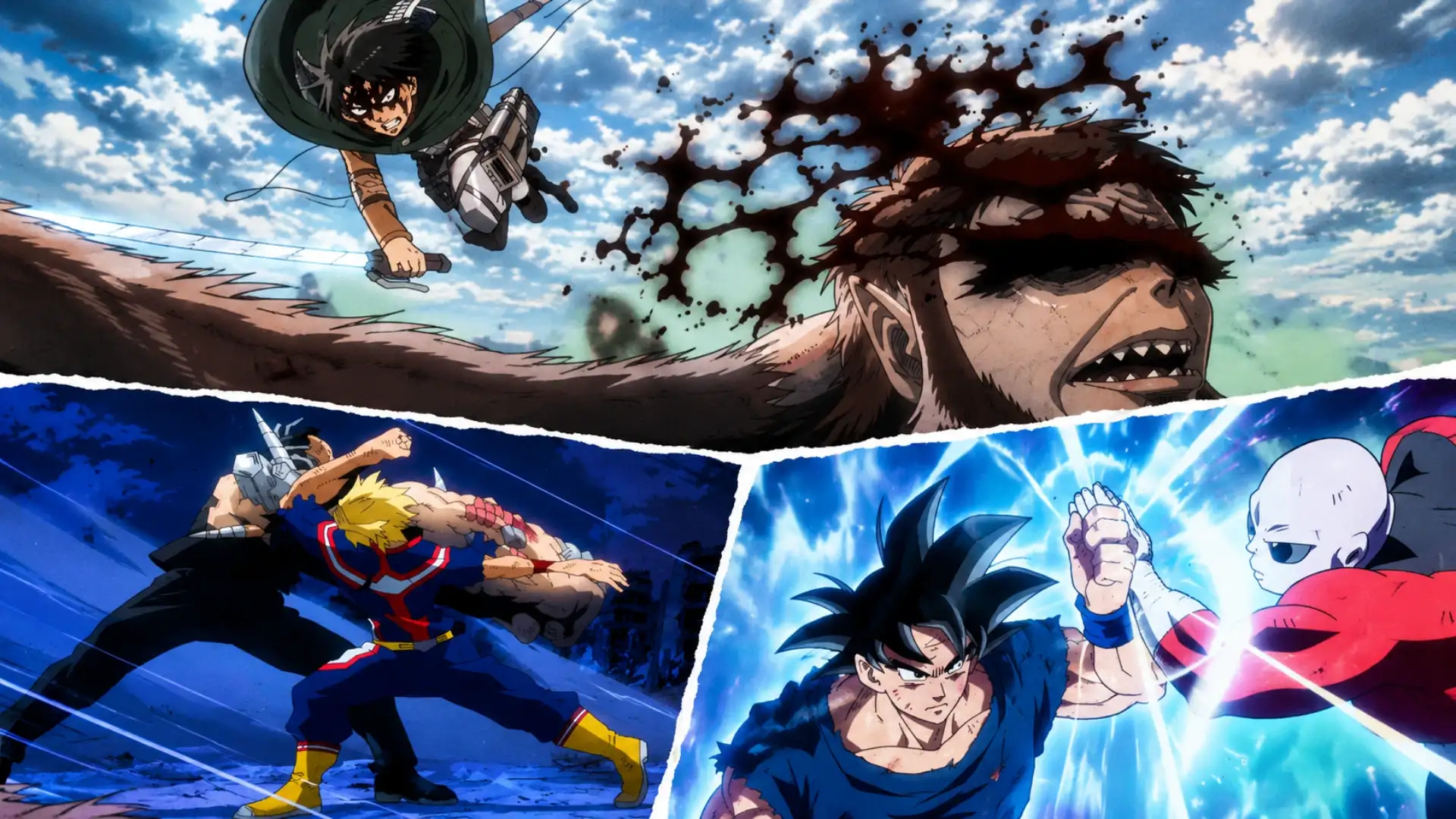
Over the past decade, several battles have pushed that idea further, combining striking animation with strategy, emotion and distinctive characterisation.
Snake is an experienced and dangerous swordsman, forcing Thorfinn to rely on speed, positioning and controlled strikes. His body still remembers the instincts of a fighter, creating a constant tension between what he can do and what he now believes.
That makes the battle less about proving who is stronger. It becomes a test of whether Thorfinn can remain committed to a new way of living when violence would be the simplest answer.
Goku's body begins reacting almost instinctively to Jiren's attacks, allowing him to evade blows with extraordinary precision. Yet the ability places enormous strain on him, preventing the encounter from becoming an effortless demonstration of his latest power.
The finale becomes increasingly desperate as Goku reaches his physical limits. Frieza eventually returns to the fight, while Android 17 emerges as an unexpected survivor. According to the battle's structure, the victory matters precisely because Goku cannot simply overpower everyone by himself.
That imbalance gives the fight its emotional force. All Might is not simply trying to defeat his old enemy; he is trying to protect the public while showing that the symbol he created still has the strength to stand.
His final United States of Smash becomes the defining moment. The battle also marks a transition, with All Might's active role as the world's great symbol effectively ending and the responsibility of carrying that ideal moving towards the next generation.
Their abilities make the confrontation especially intense. Akaza can regenerate from wounds that would be fatal to a human, while Rengoku continues using Flame Breathing despite suffering devastating injuries.
The closing moments sharpen that philosophical difference. Rengoku attempts to hold Akaza in place until sunrise, even as his own condition deteriorates. Akaza ultimately escapes, but Rengoku's determination makes clear what strength means to him.
That power, however, does not guarantee victory. Yhwach uses Royd Lloyd's ability to impersonate him, allowing Yamamoto to expend his strength against a false target.
Once Yamamoto defeats the impostor, the real Yhwach appears, steals his Bankai and kills him. The deception is crucial because it prevents the encounter from becoming a straightforward contest between two overwhelmingly powerful characters.
Sasuke's Amenotejikara can reposition opponents and create openings, while Naruto supplies enormous reserves of chakra and attacks with Kurama's power. Their movements repeatedly build on each other rather than feeling like separate turns in a tag-team fight.
The combination of Kurama and Susanoo provides the visual centrepiece, but the choreography is what makes the encounter memorable. Boruto's Vanishing Rasengan eventually gives the younger generation a direct role in the conclusion.
Toichiro repeatedly raises his energy output until his own body struggles to contain it. Mob, meanwhile, moves through different emotional states as his power reaches increasingly dangerous levels.
The resulting destruction is spectacular, but the emotional contrast matters more. Mob's strength is not driven by a hunger for control, which gives the final physical clash between the two characters a surprisingly human quality.
Then Levi arrives.
The size difference between the two fighters becomes almost meaningless as Levi uses ODM gear with remarkable precision. He attacks the Beast Titan from multiple directions, destroys its ability to respond effectively and reaches Zeke before the latter can properly react.
The scene works because Levi does not suddenly become stronger than the Beast Titan. He exploits speed, positioning and experience to dismantle an opponent who appeared almost untouchable.
The contrast is deliberate. Kaido embodies overwhelming force and domination, whereas Luffy's fighting style increasingly reflects freedom, imagination and an almost playful disregard for conventional rules.
That makes the battle distinctive even within One Piece, a series already famous for unusual abilities. According to many fans, the sheer absurdity of Gear 5 is part of what makes the confrontation so closely tied to Luffy's personality.
Sukuna therefore has to understand the threat and find a way to eliminate Mahoraga before another adaptation can undermine his strategy. His Malevolent Shrine causes enormous destruction across Shibuya, but even that does not immediately settle the encounter.
The decisive fire technique works because Sukuna changes his approach rather than simply increasing the same attack's power. The battle therefore feels like the solution to a tactical problem, making its spectacle inseparable from the rules governing Mahoraga's ability.
Over the past decade, several battles have pushed that idea further, combining striking animation with strategy, emotion and distinctive characterisation.
1. Thorfinn vs Snake Turns Violence Into a Moral Test
Thorfinn's confrontation with Snake in Vinland Saga is unusual because winning is not his only concern. Having rejected the violent life that once defined him, Thorfinn refuses to kill even when doing so might make the fight considerably easier.Snake is an experienced and dangerous swordsman, forcing Thorfinn to rely on speed, positioning and controlled strikes. His body still remembers the instincts of a fighter, creating a constant tension between what he can do and what he now believes.
That makes the battle less about proving who is stronger. It becomes a test of whether Thorfinn can remain committed to a new way of living when violence would be the simplest answer.
2. Goku vs Jiren Gives Ultra Instinct a Real Cost
Dragon Ball Super had already introduced countless transformations before Goku faced Jiren. Ultra Instinct therefore needed to feel like more than another visual upgrade, and the battle gives the technique a distinctive identity.Goku's body begins reacting almost instinctively to Jiren's attacks, allowing him to evade blows with extraordinary precision. Yet the ability places enormous strain on him, preventing the encounter from becoming an effortless demonstration of his latest power.
The finale becomes increasingly desperate as Goku reaches his physical limits. Frieza eventually returns to the fight, while Android 17 emerges as an unexpected survivor. According to the battle's structure, the victory matters precisely because Goku cannot simply overpower everyone by himself.
3. All Might vs All For One Makes Every Attack Feel Final
The clash between All Might and All For One in My Hero Academia carries the weight of an era coming to an end. All Might is already severely weakened, while All For One can combine multiple Quirks into devastating attacks.That imbalance gives the fight its emotional force. All Might is not simply trying to defeat his old enemy; he is trying to protect the public while showing that the symbol he created still has the strength to stand.
His final United States of Smash becomes the defining moment. The battle also marks a transition, with All Might's active role as the world's great symbol effectively ending and the responsibility of carrying that ideal moving towards the next generation.
4. Rengoku vs Akaza Puts Two Visions of Strength Together
Rengoku and Akaza approach strength from completely different directions in Demon Slayer: Mugen Train. Akaza values overwhelming physical ability and endless improvement, while Rengoku sees his power as something that should be used to protect others.Their abilities make the confrontation especially intense. Akaza can regenerate from wounds that would be fatal to a human, while Rengoku continues using Flame Breathing despite suffering devastating injuries.
The closing moments sharpen that philosophical difference. Rengoku attempts to hold Akaza in place until sunrise, even as his own condition deteriorates. Akaza ultimately escapes, but Rengoku's determination makes clear what strength means to him.
5. Yamamoto vs Yhwach Turns Bankai Into a Dangerous Liability
Yamamoto's Zanka no Tachi finally demonstrates why his Bankai had inspired so much fear in Bleach. Rather than surrounding his blade with conventional flames, the technique concentrates an extraordinary level of heat and destructive power into his attacks and body.That power, however, does not guarantee victory. Yhwach uses Royd Lloyd's ability to impersonate him, allowing Yamamoto to expend his strength against a false target.
Once Yamamoto defeats the impostor, the real Yhwach appears, steals his Bankai and kills him. The deception is crucial because it prevents the encounter from becoming a straightforward contest between two overwhelmingly powerful characters.
6. Naruto and Sasuke vs Momoshiki Finally Makes Their Rivalry a Partnership
For much of their history, Naruto and Sasuke were defined by rivalry. Their battle against Momoshiki in Boruto offers something different: the two veterans functioning almost seamlessly as a team.Sasuke's Amenotejikara can reposition opponents and create openings, while Naruto supplies enormous reserves of chakra and attacks with Kurama's power. Their movements repeatedly build on each other rather than feeling like separate turns in a tag-team fight.
The combination of Kurama and Susanoo provides the visual centrepiece, but the choreography is what makes the encounter memorable. Boruto's Vanishing Rasengan eventually gives the younger generation a direct role in the conclusion.
7. Mob vs Toichiro Suzuki Makes Psychic Power a Question of Choice
Mob Psycho 100 could easily have turned Mob and Toichiro Suzuki into a conventional battle of increasingly large psychic attacks. Instead, the confrontation keeps tying Mob's power to his emotional state and his refusal to use strength simply to dominate someone.Toichiro repeatedly raises his energy output until his own body struggles to contain it. Mob, meanwhile, moves through different emotional states as his power reaches increasingly dangerous levels.
The resulting destruction is spectacular, but the emotional contrast matters more. Mob's strength is not driven by a hunger for control, which gives the final physical clash between the two characters a surprisingly human quality.
8. Levi vs the Beast Titan Shows How Skill Can Overcome Size
The Battle of Shiganshina establishes the Beast Titan as a devastating threat. Zeke can bombard the battlefield from a distance, turning the surrounding terrain into a deadly zone for the Scouts.You may also like
- 'Drishyam 3 The Conclusion' box office collection Day 3 [LIVE]: Ajay Devgn, Tabu, Jaideep Ahlawat, Prakash Raj starrer maintains strong momentum after Rs 125 crore, eyes Rs. 150 crore India net milestone next
- Kareena Kapoor Celebrates Soha Ali Khans Birthday with Heartfelt Wishes and Family Photos
- Taylor Swift surprises Dakota Johnson on 'Saturday Night Live'; 'Verity' star calls the 'Patient Zero' singer her 'literal therapist!'
- Andhra, Telangana CMs term Singeetham Srinivasa Rao's demise an irreparable loss to film industry
- 'Avengers: Doomsday' NEW POSTER has fans spotting Scarlet Witch clues as Anthony Mackie teases 'a lot of doom' in Robert Downey Jr. starrer
Then Levi arrives.
The size difference between the two fighters becomes almost meaningless as Levi uses ODM gear with remarkable precision. He attacks the Beast Titan from multiple directions, destroys its ability to respond effectively and reaches Zeke before the latter can properly react.
The scene works because Levi does not suddenly become stronger than the Beast Titan. He exploits speed, positioning and experience to dismantle an opponent who appeared almost untouchable.
9. Luffy vs Kaido Lets One Piece Throw Away the Rulebook
Gear 5 changes the tone of Luffy's battle with Kaido almost completely. Kaido remains an overwhelmingly powerful opponent capable of delivering devastating attacks, yet Luffy's new abilities allow him to manipulate his body and surroundings with an exaggerated, cartoon-like quality.The contrast is deliberate. Kaido embodies overwhelming force and domination, whereas Luffy's fighting style increasingly reflects freedom, imagination and an almost playful disregard for conventional rules.
That makes the battle distinctive even within One Piece, a series already famous for unusual abilities. According to many fans, the sheer absurdity of Gear 5 is part of what makes the confrontation so closely tied to Luffy's personality.
10. Sukuna vs Mahoraga Turns Adaptation Into a Tactical Puzzle
The confrontation between Sukuna and Mahoraga in Jujutsu Kaisen stands out because raw strength alone cannot solve the problem. Mahoraga's adaptation ability means repeated attacks become increasingly unreliable once the shikigami has experienced them.Sukuna therefore has to understand the threat and find a way to eliminate Mahoraga before another adaptation can undermine his strategy. His Malevolent Shrine causes enormous destruction across Shibuya, but even that does not immediately settle the encounter.
The decisive fire technique works because Sukuna changes his approach rather than simply increasing the same attack's power. The battle therefore feels like the solution to a tactical problem, making its spectacle inseparable from the rules governing Mahoraga's ability.






Loving Newspoint? Download the app now
