
7 Classic 1980s Sci-Fi Anime That Are Difficult to Watch Today

The 1980s were an important decade for science fiction anime, producing influential titles such as Akira and Dragon Ball. However, not every release from this period became a classic. The booming OVA market encouraged studios to experiment with ambitious concepts, but some productions prioritised graphic violence, impressive visuals and dramatic action over meaningful storytelling. As a result, several anime from the decade have struggled to maintain their appeal. From confusing plots and uneven animation to outdated character portrayals and frustrating pacing, these seven titles demonstrate why some once-promising sci-fi anime can be difficult to revisit today.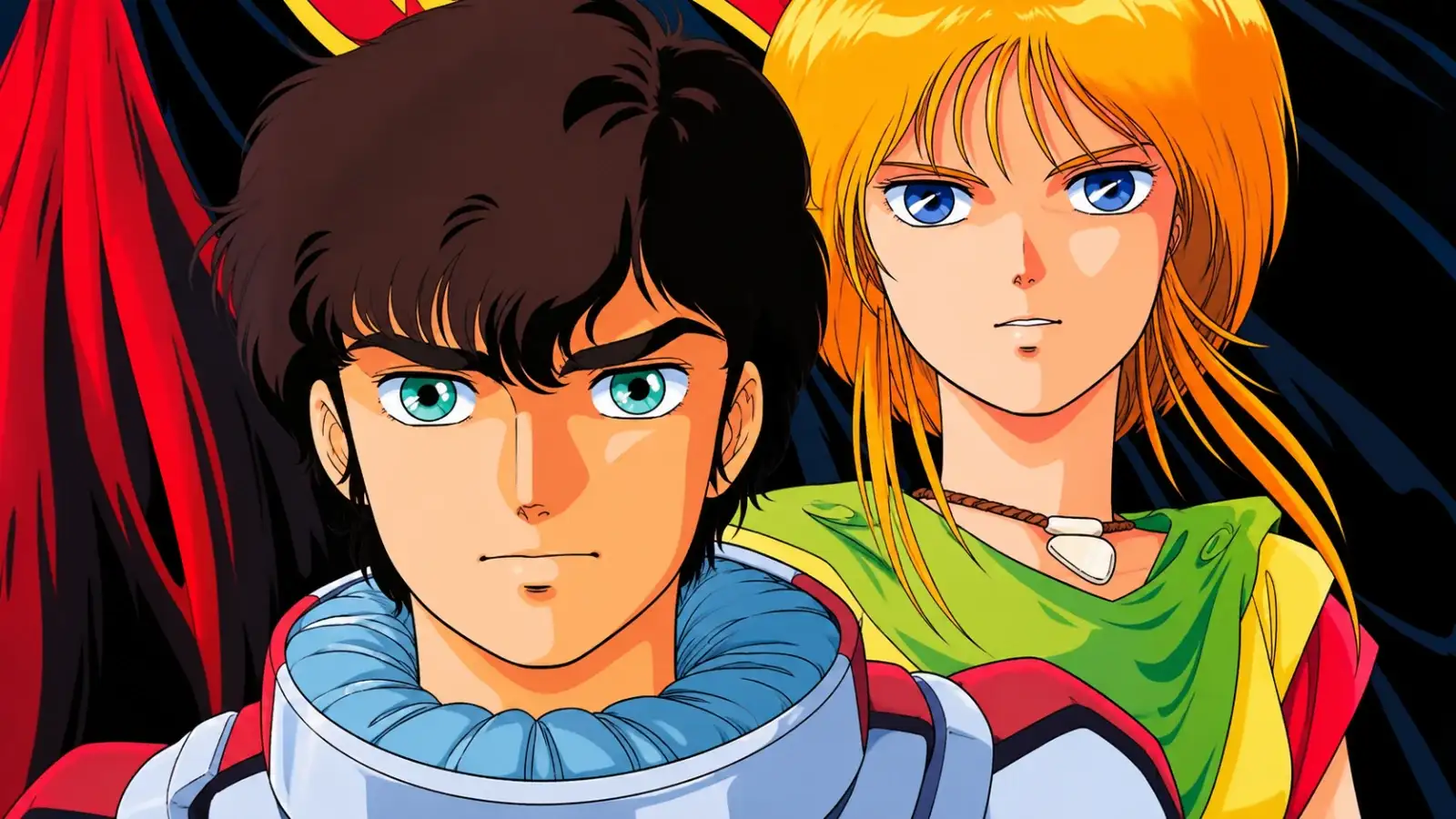
Years later, his pod crashes on the planet Jerra, drawing him into another conflict. Unfortunately, the story offers little depth beyond its violent confrontations. The supporting characters also receive limited development, making it difficult to become invested in the events.
The animation is another major weakness. Some sequences look reasonably impressive, but others rely on poorly executed camera movements and static artwork. Its Western marketing also presented it as a successor to Akira, creating expectations that the OVA struggled to meet.
The anime attempts to combine political conspiracy, futuristic action and violent confrontations. Unfortunately, its complicated narrative can become difficult to follow. The story also contains antisemitic conspiracy theories, making parts of its portrayal particularly troubling for modern audiences.
The English-language releases removed some controversial material, but this also affected the narrative's continuity. Repeated plot recaps and excessive gore further weaken the viewing experience.
The series initially attracted attention for its futuristic setting, stylish character designs and hand-drawn animation. However, several aspects of its storytelling have aged poorly.
One example is its portrayal of Daley Wong, an openly gay member of the AD Police. His character relies heavily on stereotypes that can feel uncomfortable to contemporary viewers. The dialogue and dramatic scenes also occasionally become excessive.
Production difficulties contributed to the anime's uneven structure. Originally planned for 13 episodes, the series was cut short after legal disputes between its controlling studios, leaving only eight episodes. Changes in direction also resulted in noticeable shifts in tone and storytelling.
The original 1984 television adaptation had a compelling premise, but its execution has become difficult for some modern viewers. Network censorship reduced the impact of its signature violent scenes, replacing graphic injuries with bright flashes and shadowed silhouettes.
The pacing also creates problems. Extended filler material and several recap episodes interrupt the main storyline. Reused animation during fight sequences further affects the flow of the action.
Although Kenshiro remains an iconic anime protagonist, the original adaptation's presentation does not always do justice to the source material's brutal atmosphere.
Despite its promising setup, the series takes a dramatic tonal turn compared with Mobile Suit Zeta Gundam. While its predecessor was known for serious conflicts and tragic character developments, Gundam ZZ begins with a much lighter and more comedic approach.
The early episodes focus heavily on slapstick humour and episodic encounters, delaying the return to more serious storytelling. This shift can be particularly frustrating for viewers expecting a direct continuation of Zeta's dramatic atmosphere.
Some characters also receive less meaningful development than expected, while the early storyline struggles to maintain a consistent sense of direction.
With Convoy absent, the Cybertrons face new challenges while trying to protect their homeworld. However, the series struggles to create the tension needed to make these battles compelling.
Production difficulties reportedly played a major role in its uneven quality. The tight production schedule and budget limitations affected the animation, while several characters received little meaningful development.
Chromedome stands out as one of the more developed Headmasters, but other characters struggle to leave a lasting impression. Even major events, including the destruction of Cybertron and Mars, fail to deliver the emotional impact they should have.
There, Yuu encounters a giant blue robot called Gorg and becomes involved in a conflict surrounding the secrets hidden beneath the island.
The series has several strengths, particularly its mechanical designs, soundtrack and visual presentation. However, its story struggles to maintain interest across its 26 episodes.
Some characters receive meaningful development, while others remain relatively unchanged throughout the adventure. The repeated attempts by Gail Corporation and Lady Lynx's group to capture the protagonists also lose their impact over time.
Although Giant Gorg has technical qualities worth appreciating, its uneven character development and relatively straightforward plot make it a less engaging experience for some modern viewers.
1. M.D. Geist
M.D. Geist has developed a reputation as one of the most poorly received anime productions of its era. Its central character, Geist, is a genetically engineered killing machine who was placed in a stasis pod after similar soldiers became uncontrollably violent.Years later, his pod crashes on the planet Jerra, drawing him into another conflict. Unfortunately, the story offers little depth beyond its violent confrontations. The supporting characters also receive limited development, making it difficult to become invested in the events.
The animation is another major weakness. Some sequences look reasonably impressive, but others rely on poorly executed camera movements and static artwork. Its Western marketing also presented it as a successor to Akira, creating expectations that the OVA struggled to meet.
2. Angel Cop
Set in a futuristic Japan that has become a global economic power, Angel Cop follows a special security organisation fighting against a communist group known as Red May. However, the situation becomes more complicated when an unknown figure begins eliminating members of the terrorist organisation.The anime attempts to combine political conspiracy, futuristic action and violent confrontations. Unfortunately, its complicated narrative can become difficult to follow. The story also contains antisemitic conspiracy theories, making parts of its portrayal particularly troubling for modern audiences.
The English-language releases removed some controversial material, but this also affected the narrative's continuity. Repeated plot recaps and excessive gore further weaken the viewing experience.
3. Bubblegum Crisis
Bubblegum Crisis takes place in a cyberpunk version of Japan in 2032. The story follows the Knight Sabers, an all-female mercenary group that uses powerful battle suits to fight dangerous robotic threats created by the Genom Corporation.The series initially attracted attention for its futuristic setting, stylish character designs and hand-drawn animation. However, several aspects of its storytelling have aged poorly.
One example is its portrayal of Daley Wong, an openly gay member of the AD Police. His character relies heavily on stereotypes that can feel uncomfortable to contemporary viewers. The dialogue and dramatic scenes also occasionally become excessive.
Production difficulties contributed to the anime's uneven structure. Originally planned for 13 episodes, the series was cut short after legal disputes between its controlling studios, leaving only eight episodes. Changes in direction also resulted in noticeable shifts in tone and storytelling.
4. Fist of the North Star
Fist of the North Star follows Kenshiro, the successor to the deadly Hokuto Shinken martial arts technique. In a world devastated by nuclear war, he travels across the wasteland protecting vulnerable people from violent criminals and powerful enemies.The original 1984 television adaptation had a compelling premise, but its execution has become difficult for some modern viewers. Network censorship reduced the impact of its signature violent scenes, replacing graphic injuries with bright flashes and shadowed silhouettes.
The pacing also creates problems. Extended filler material and several recap episodes interrupt the main storyline. Reused animation during fight sequences further affects the flow of the action.
Although Kenshiro remains an iconic anime protagonist, the original adaptation's presentation does not always do justice to the source material's brutal atmosphere.
5. Mobile Suit Gundam ZZ
Mobile Suit Gundam ZZ continues the story following the fall of the Titans, with the Argama crew facing a new threat from Haman Karn's Neo Zeon forces.Despite its promising setup, the series takes a dramatic tonal turn compared with Mobile Suit Zeta Gundam. While its predecessor was known for serious conflicts and tragic character developments, Gundam ZZ begins with a much lighter and more comedic approach.
The early episodes focus heavily on slapstick humour and episodic encounters, delaying the return to more serious storytelling. This shift can be particularly frustrating for viewers expecting a direct continuation of Zeta's dramatic atmosphere.
Some characters also receive less meaningful development than expected, while the early storyline struggles to maintain a consistent sense of direction.
6. Transformers: The Headmasters
Transformers: The Headmasters continues the conflict between the Autobots, known as Cybertrons in the Japanese version, and the Decepticons, referred to as Destrons.With Convoy absent, the Cybertrons face new challenges while trying to protect their homeworld. However, the series struggles to create the tension needed to make these battles compelling.
Production difficulties reportedly played a major role in its uneven quality. The tight production schedule and budget limitations affected the animation, while several characters received little meaningful development.
Chromedome stands out as one of the more developed Headmasters, but other characters struggle to leave a lasting impression. Even major events, including the destruction of Cybertron and Mars, fail to deliver the emotional impact they should have.
7. Giant Gorg
Giant Gorg follows 13-year-old Yuu Tagami, who travels to New York to meet Dr Tom Wave, a colleague of his late father. Their journey takes them towards a mysterious island that emerged from the sea several years earlier.There, Yuu encounters a giant blue robot called Gorg and becomes involved in a conflict surrounding the secrets hidden beneath the island.
The series has several strengths, particularly its mechanical designs, soundtrack and visual presentation. However, its story struggles to maintain interest across its 26 episodes.
Some characters receive meaningful development, while others remain relatively unchanged throughout the adventure. The repeated attempts by Gail Corporation and Lady Lynx's group to capture the protagonists also lose their impact over time.
Although Giant Gorg has technical qualities worth appreciating, its uneven character development and relatively straightforward plot make it a less engaging experience for some modern viewers.
Next Story