
5 Anime Movies About Animals That Deliver Powerful Stories of Love, Loss and Survival

Animal-centred anime films offer a different perspective on familiar emotions, taking audiences into worlds where survival, instinct and companionship shape every decision. From prehistoric creatures forming unexpected families to animals struggling against the demands of the wilderness, these stories explore experiences that extend far beyond the human world.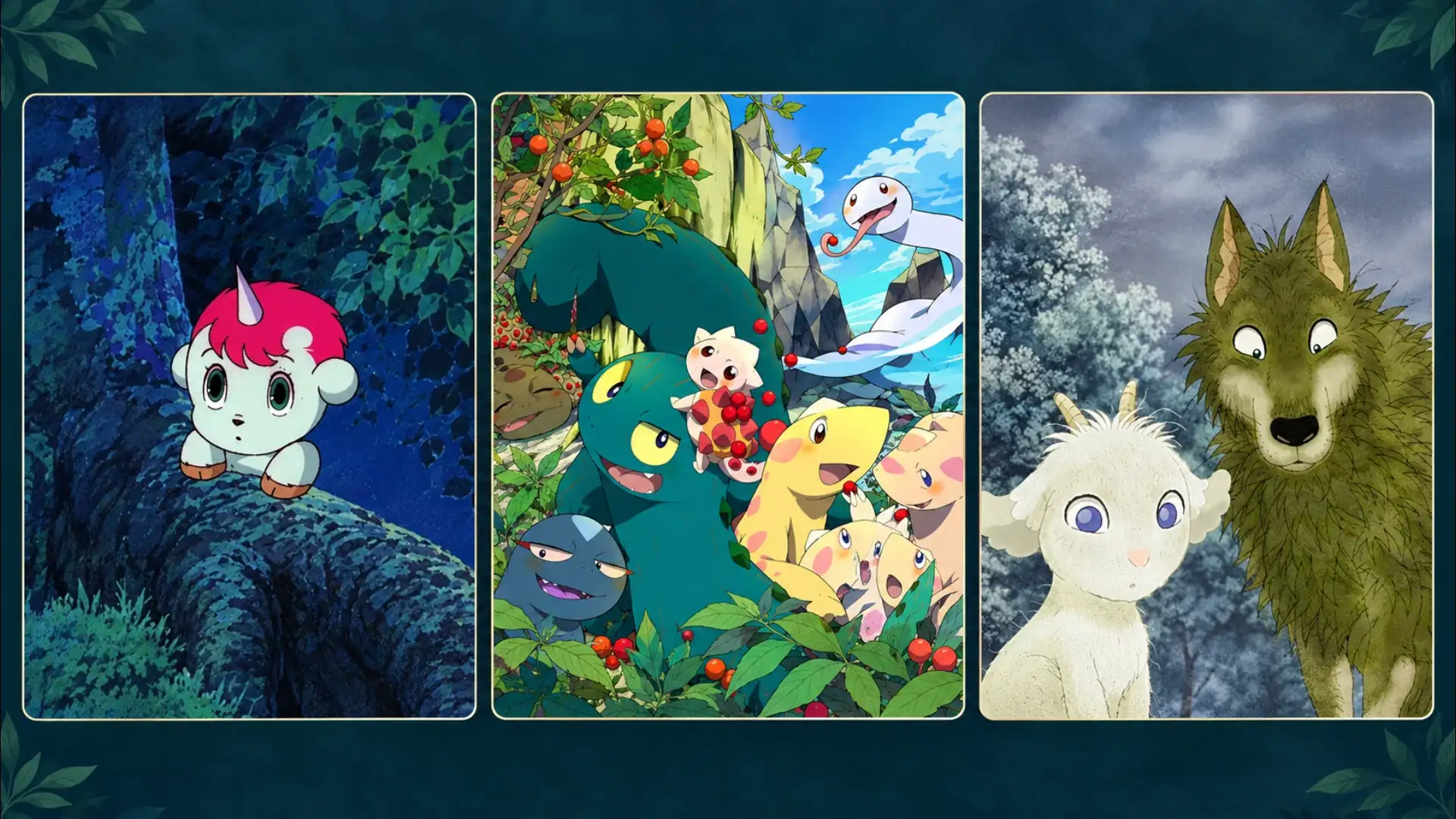
Some deliver warmth and laughter, while others confront viewers with grief, prejudice and the consequences of revenge. Together, these five Japanese animated films demonstrate how animal characters can carry complex narratives about belonging, sacrifice and the difficult choices that define a life.
His existence changes dramatically when a giant brown bear named Gon kills members of his family in the Daisetsuzan mountains. Determined to confront the animal responsible, Fang embarks on a dangerous journey through the wilderness.
The quest exposes him to hostile animals, hunters and the unforgiving conditions of life outside human protection. His determination to seek revenge becomes intertwined with a more fundamental struggle: learning how to survive in a world governed by instinct rather than affection.
What distinguishes King Fang from lighter animal adventures is its uncompromising treatment of nature. Fang may have experienced the security of a loving home, but those comforts offer little protection against the dangers of the wild.
The film examines the tension between domestication and natural instincts, presenting a story about family, identity and the price of survival.
The pair first encounter each other while sheltering from a storm in a dark barn. Unable to see or identify one another properly, they form a connection without realising that they belong to species traditionally regarded as predator and prey.
Their friendship faces a serious test when they discover each other's identities. Mei's fellow goats struggle to understand his attachment to a wolf, while Gabu's companions question his willingness to associate with an animal they would ordinarily hunt.
Rather than abandon their bond, the two leave their communities and search for the Emerald Forest, hoping to find somewhere they can live together without hostility.
Their journey explores the difficulties of challenging deeply rooted expectations. Mei and Gabu cannot change their natural identities, but they refuse to let those differences determine the value of their relationship.
The film's emotional appeal lies in its portrayal of loyalty and acceptance, making it a memorable choice for viewers who enjoy animated stories about friendship overcoming social divisions.
A Maiasaura discovers Heart's egg and raises him alongside her biological son, Light. Heart initially lives as part of this herbivorous family, unaware of his identity as a Tyrannosaurus.
As he begins to understand his predatory nature, he struggles with the conflict between his instincts and his attachment to those who raised him. Eventually, he joins a group of Tyrannosaurs led by Gonza.
Years later, Heart discovers an egg belonging to an Ankylosaurus. The young dinosaur, whom he names Umasou, becomes his adopted son, prompting Heart to reconsider the kind of life he wants to lead.
Raising Umasou forces Heart to confront the same questions of identity and belonging that shaped his own childhood. He must find a way to protect his son while managing the instincts associated with his species.
The relationship between the two dinosaurs gives the film its emotional foundation. Heart begins to understand that parenthood is not simply about biological connections but also about providing care, security and guidance.
Beneath its colourful animation and prehistoric setting, You Are Umasou offers a touching exploration of adoption, responsibility and the meaning of family.
Despite his circumstances, Unico retains his cheerful nature and willingness to help others. During his adventures, he befriends a lonely girl named Katy and encounters a demon who wishes to become human.
These meetings repeatedly place Unico in situations where his compassion puts him at risk. Nevertheless, he continues to help those he meets, showing how small acts of kindness can transform another person's experience.
His journey also carries a bittersweet element. The West Wind repeatedly removes Unico from the places where he has formed friendships, preventing him from remaining with the companions he comes to love.
This recurring separation gives the film an emotional depth beneath its fairy-tale adventure. Unico's relationships may be temporary, but the happiness and comfort he brings to others remain meaningful.
The story ultimately celebrates empathy, generosity and the lasting influence of human-like connections, even when circumstances make them difficult to preserve.
Consumed by grief, Chirin sets out to find the wolf and avenge her death. However, he soon discovers that he lacks the strength to defeat his enemy. Instead of giving up, he asks the wolf to train him, hoping to acquire the power needed to carry out his revenge.
The wolf agrees, and Chirin undergoes three years of demanding training. Over time, the once-innocent lamb develops into a powerful ram, with sharp horns and the physical strength to face dangerous opponents.
Yet becoming stronger comes at a considerable cost. Chirin's desire for vengeance gradually changes his character, forcing him towards a confrontation with the very innocence he once possessed.
Rather than presenting revenge as a straightforward path to justice, Ringing Bell examines its destructive consequences. Chirin's transformation raises questions about whether defeating an enemy can ever repair the loss that started the journey.
The film stands apart from conventional family animation because of its sombre themes and unsettling emotional progression. Its central message is that the pursuit of retaliation can change a person so profoundly that they risk becoming what they once feared.
For viewers seeking anime with emotional complexity, Ringing Bell offers a haunting conclusion to this collection of animal-centred stories.
Some deliver warmth and laughter, while others confront viewers with grief, prejudice and the consequences of revenge. Together, these five Japanese animated films demonstrate how animal characters can carry complex narratives about belonging, sacrifice and the difficult choices that define a life.
1. King Fang Explores the Brutal Reality of Survival
King Fang, released in 1978, centres on a dog born to a hunting dog and a European wolf that escaped from a circus. Raised by a human family, Fang grows accustomed to domestic life, yet his wild ancestry remains an important part of his identity.His existence changes dramatically when a giant brown bear named Gon kills members of his family in the Daisetsuzan mountains. Determined to confront the animal responsible, Fang embarks on a dangerous journey through the wilderness.
The quest exposes him to hostile animals, hunters and the unforgiving conditions of life outside human protection. His determination to seek revenge becomes intertwined with a more fundamental struggle: learning how to survive in a world governed by instinct rather than affection.
What distinguishes King Fang from lighter animal adventures is its uncompromising treatment of nature. Fang may have experienced the security of a loving home, but those comforts offer little protection against the dangers of the wild.
The film examines the tension between domestication and natural instincts, presenting a story about family, identity and the price of survival.
2. One Stormy Night Challenges the Boundaries of Friendship
One Stormy Night, also known as Arashi no Yoru ni, is a 2005 animated film based on Yuichi Kimura's children's book. Produced by Group TAC, it follows Mei, a goat, and Gabu, a wolf, whose unlikely friendship challenges the expectations of their respective communities.The pair first encounter each other while sheltering from a storm in a dark barn. Unable to see or identify one another properly, they form a connection without realising that they belong to species traditionally regarded as predator and prey.
Their friendship faces a serious test when they discover each other's identities. Mei's fellow goats struggle to understand his attachment to a wolf, while Gabu's companions question his willingness to associate with an animal they would ordinarily hunt.
Rather than abandon their bond, the two leave their communities and search for the Emerald Forest, hoping to find somewhere they can live together without hostility.
Their journey explores the difficulties of challenging deeply rooted expectations. Mei and Gabu cannot change their natural identities, but they refuse to let those differences determine the value of their relationship.
The film's emotional appeal lies in its portrayal of loyalty and acceptance, making it a memorable choice for viewers who enjoy animated stories about friendship overcoming social divisions.
3. You Are Umasou Redefines What It Means to Be Family
Based on Tatsuya Miyanishi's children's picture-book series, You Are Umasou is an animated dinosaur adventure produced by Ajia-do Animation Works. Its central character, Heart, grows up in an unusual family that challenges the natural divisions between species.A Maiasaura discovers Heart's egg and raises him alongside her biological son, Light. Heart initially lives as part of this herbivorous family, unaware of his identity as a Tyrannosaurus.
As he begins to understand his predatory nature, he struggles with the conflict between his instincts and his attachment to those who raised him. Eventually, he joins a group of Tyrannosaurs led by Gonza.
Years later, Heart discovers an egg belonging to an Ankylosaurus. The young dinosaur, whom he names Umasou, becomes his adopted son, prompting Heart to reconsider the kind of life he wants to lead.
Raising Umasou forces Heart to confront the same questions of identity and belonging that shaped his own childhood. He must find a way to protect his son while managing the instincts associated with his species.
The relationship between the two dinosaurs gives the film its emotional foundation. Heart begins to understand that parenthood is not simply about biological connections but also about providing care, security and guidance.
Beneath its colourful animation and prehistoric setting, You Are Umasou offers a touching exploration of adoption, responsibility and the meaning of family.
4. The Fantastic Adventures of Unico Celebrates Kindness
Released in 1981, The Fantastic Adventures of Unico brings the imaginative world of manga creator Osamu Tezuka to the screen. Produced by Madhouse, the film follows Unico, a mythical unicorn who is banished from his home and forced to travel between unfamiliar lands.Despite his circumstances, Unico retains his cheerful nature and willingness to help others. During his adventures, he befriends a lonely girl named Katy and encounters a demon who wishes to become human.
These meetings repeatedly place Unico in situations where his compassion puts him at risk. Nevertheless, he continues to help those he meets, showing how small acts of kindness can transform another person's experience.
His journey also carries a bittersweet element. The West Wind repeatedly removes Unico from the places where he has formed friendships, preventing him from remaining with the companions he comes to love.
This recurring separation gives the film an emotional depth beneath its fairy-tale adventure. Unico's relationships may be temporary, but the happiness and comfort he brings to others remain meaningful.
The story ultimately celebrates empathy, generosity and the lasting influence of human-like connections, even when circumstances make them difficult to preserve.
5. Ringing Bell Reveals the Destructive Power of Revenge
Sanrio's Ringing Bell takes a darker approach to animal storytelling. Written by Takashi Yanase, the creator of Anpanman, the film follows Chirin, a young lamb whose peaceful life is shattered when a wolf kills his mother.Consumed by grief, Chirin sets out to find the wolf and avenge her death. However, he soon discovers that he lacks the strength to defeat his enemy. Instead of giving up, he asks the wolf to train him, hoping to acquire the power needed to carry out his revenge.
The wolf agrees, and Chirin undergoes three years of demanding training. Over time, the once-innocent lamb develops into a powerful ram, with sharp horns and the physical strength to face dangerous opponents.
Yet becoming stronger comes at a considerable cost. Chirin's desire for vengeance gradually changes his character, forcing him towards a confrontation with the very innocence he once possessed.
Rather than presenting revenge as a straightforward path to justice, Ringing Bell examines its destructive consequences. Chirin's transformation raises questions about whether defeating an enemy can ever repair the loss that started the journey.
The film stands apart from conventional family animation because of its sombre themes and unsettling emotional progression. Its central message is that the pursuit of retaliation can change a person so profoundly that they risk becoming what they once feared.
For viewers seeking anime with emotional complexity, Ringing Bell offers a haunting conclusion to this collection of animal-centred stories.
Next Story