
5 Anime That Surpass Mushoku Tensei In Character Development

Character development can make an anime memorable long after its story has ended. While action, fantasy settings and impressive animation attract viewers, it is often the transformation of the characters that gives a series its lasting impact.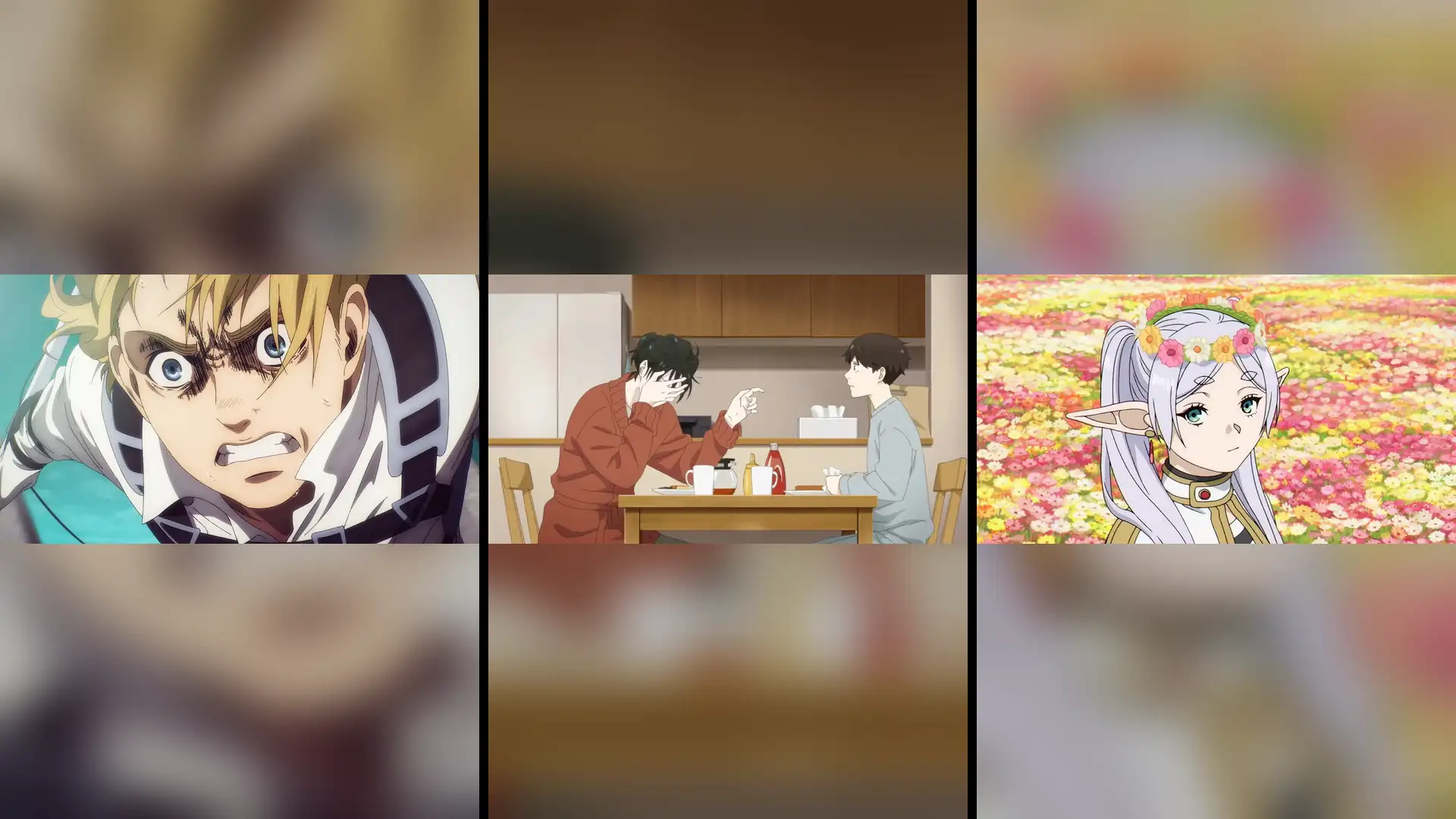
Mushoku Tensei : Jobless Reincarnation is a strong example of this approach. Its central character, Rudeus Greyrat, begins his second life carrying the emotional baggage and questionable behaviour of his previous existence. His gradual attempts to become a better person make the story engaging, but several other anime explore character development with greater depth and a wider range of perspectives.
His journey takes him through violence, emotional devastation and eventually slavery. Rather than allowing his character to remain defined by hatred, the story gives him an opportunity to reconsider his purpose and the kind of person he wants to become.
The series also distinguishes itself through its supporting cast. Antagonists, allies and characters who appear for only a particular storyline receive meaningful development. This creates a much richer narrative than one centred primarily on a single protagonist, making Vinland Saga particularly impressive in its exploration of human behaviour.
For Frieren, the years spent with her companions seem relatively brief. She initially struggles to understand the emotional significance of those relationships and does not fully appreciate the importance of the people around her.
That perspective begins to change after the death of Himmel, one of her former companions. His passing makes her reconsider the time they spent together and recognise how little she understood about the people who mattered to her.
The series builds its character arcs patiently, allowing small encounters and everyday experiences to carry emotional weight. Like Rudeus, Frieren gradually discovers the importance of personal connections, but her journey offers a distinctive exploration of memory, regret and the passage of time.
However, as the story progresses and the truth about the world emerges, his motivations become increasingly complicated. His understanding of freedom and justice changes, eventually pushing him towards decisions that fundamentally alter how viewers perceive him.
Unlike Rudeus, whose journey involves attempts to overcome his previous shortcomings, Eren follows a much darker trajectory. He becomes increasingly consumed by his convictions, with devastating consequences for others.
His character arc is particularly striking because the series does not offer an easy distinction between heroism and villainy. The transformation forces viewers to question how circumstances, personal beliefs and the pursuit of freedom can influence someone's moral judgement.
Dr Kenzo Tenma's moral convictions form an important part of the story, while Johan Liebert represents a deeply disturbing exploration of nihilism and human darkness. Inspector Lunge adds another dimension through his relentless pursuit of the truth.
Each character has distinct motivations, weaknesses and internal conflicts. Their decisions influence the direction of the narrative, ensuring that even supporting figures contribute meaningfully to the larger story.
This broad approach makes Monster particularly effective as a character-driven drama. Its exploration of morality, identity and the darker aspects of human psychology extends well beyond the development of a single protagonist.
The story follows Asa and Makio, whose relationship provides an opportunity to explore the complexities of family life. Their interactions are not always comfortable or straightforward. Disagreements, sarcasm, awkward silences and gradual adjustments all become important parts of their evolving bond.
What makes the series particularly engaging is its attention to ordinary moments. Characters do not need dramatic confrontations or major revelations to reveal something about themselves. Sometimes, simply learning to understand another person's habits and emotions becomes an important step in personal growth.
Compared with Mushoku Tensei's emphasis on Rudeus's individual transformation, Journal with Witch places greater attention on the delicate process of building and maintaining relationships. Its realistic portrayal of emotional connections gives character development a different, but equally compelling, dimension.
Mushoku Tensei : Jobless Reincarnation is a strong example of this approach. Its central character, Rudeus Greyrat, begins his second life carrying the emotional baggage and questionable behaviour of his previous existence. His gradual attempts to become a better person make the story engaging, but several other anime explore character development with greater depth and a wider range of perspectives.
1. Vinland Saga Explores Transformation Beyond Revenge
Vinland Saga offers one of anime's most compelling portrayals of personal transformation. Although Thorfinn begins as a child driven by revenge after witnessing his father's death, his experiences gradually challenge everything he once believed about strength, justice and survival.His journey takes him through violence, emotional devastation and eventually slavery. Rather than allowing his character to remain defined by hatred, the story gives him an opportunity to reconsider his purpose and the kind of person he wants to become.
The series also distinguishes itself through its supporting cast. Antagonists, allies and characters who appear for only a particular storyline receive meaningful development. This creates a much richer narrative than one centred primarily on a single protagonist, making Vinland Saga particularly impressive in its exploration of human behaviour.
2. Frieren: Beyond Journey's End Shows How Time Changes People
Frieren: Beyond Journey's End approaches character development from an unusual perspective. Its central character is an elf whose extraordinarily long lifespan makes her experience of time fundamentally different from that of humans.For Frieren, the years spent with her companions seem relatively brief. She initially struggles to understand the emotional significance of those relationships and does not fully appreciate the importance of the people around her.
That perspective begins to change after the death of Himmel, one of her former companions. His passing makes her reconsider the time they spent together and recognise how little she understood about the people who mattered to her.
The series builds its character arcs patiently, allowing small encounters and everyday experiences to carry emotional weight. Like Rudeus, Frieren gradually discovers the importance of personal connections, but her journey offers a distinctive exploration of memory, regret and the passage of time.
3. Attack on Titan Turns Its Hero Into a Tragic Figure
Few anime protagonists undergo a transformation as dramatic as Eren Yeager in Attack on Titan. He initially appears as a determined young man whose primary ambition is to protect humanity from the threat of the Titans.However, as the story progresses and the truth about the world emerges, his motivations become increasingly complicated. His understanding of freedom and justice changes, eventually pushing him towards decisions that fundamentally alter how viewers perceive him.
Unlike Rudeus, whose journey involves attempts to overcome his previous shortcomings, Eren follows a much darker trajectory. He becomes increasingly consumed by his convictions, with devastating consequences for others.
His character arc is particularly striking because the series does not offer an easy distinction between heroism and villainy. The transformation forces viewers to question how circumstances, personal beliefs and the pursuit of freedom can influence someone's moral judgement.
4. Monster Gives Every Character Room To Develop
Monster stands out for its exceptionally detailed approach to character writing. Rather than concentrating most of its attention on one central figure, the psychological thriller gives its wider cast considerable narrative importance.Dr Kenzo Tenma's moral convictions form an important part of the story, while Johan Liebert represents a deeply disturbing exploration of nihilism and human darkness. Inspector Lunge adds another dimension through his relentless pursuit of the truth.
Each character has distinct motivations, weaknesses and internal conflicts. Their decisions influence the direction of the narrative, ensuring that even supporting figures contribute meaningfully to the larger story.
This broad approach makes Monster particularly effective as a character-driven drama. Its exploration of morality, identity and the darker aspects of human psychology extends well beyond the development of a single protagonist.
5. Journal with Witch Captures the Complexity of Human Relationships
Journal with Witch takes a quieter approach to character development, focusing on emotional vulnerability and the difficulties of forming meaningful relationships. Although its premise differs considerably from Mushoku Tensei, both series examine how personal circumstances can influence the way people connect with others.The story follows Asa and Makio, whose relationship provides an opportunity to explore the complexities of family life. Their interactions are not always comfortable or straightforward. Disagreements, sarcasm, awkward silences and gradual adjustments all become important parts of their evolving bond.
What makes the series particularly engaging is its attention to ordinary moments. Characters do not need dramatic confrontations or major revelations to reveal something about themselves. Sometimes, simply learning to understand another person's habits and emotions becomes an important step in personal growth.
Compared with Mushoku Tensei's emphasis on Rudeus's individual transformation, Journal with Witch places greater attention on the delicate process of building and maintaining relationships. Its realistic portrayal of emotional connections gives character development a different, but equally compelling, dimension.
Next Story