
5 Classic Anime That Inspired Demon Slayer and Its Most Iconic Elements

Demon Slayer: Kimetsu no Yaiba arrived with a compelling combination of sword fights, terrifying demons, supernatural abilities and emotional backstories. Koyoharu Gotouge ’s hit series brought these elements together in a distinctive way, but many of its ideas have roots in earlier anime and manga.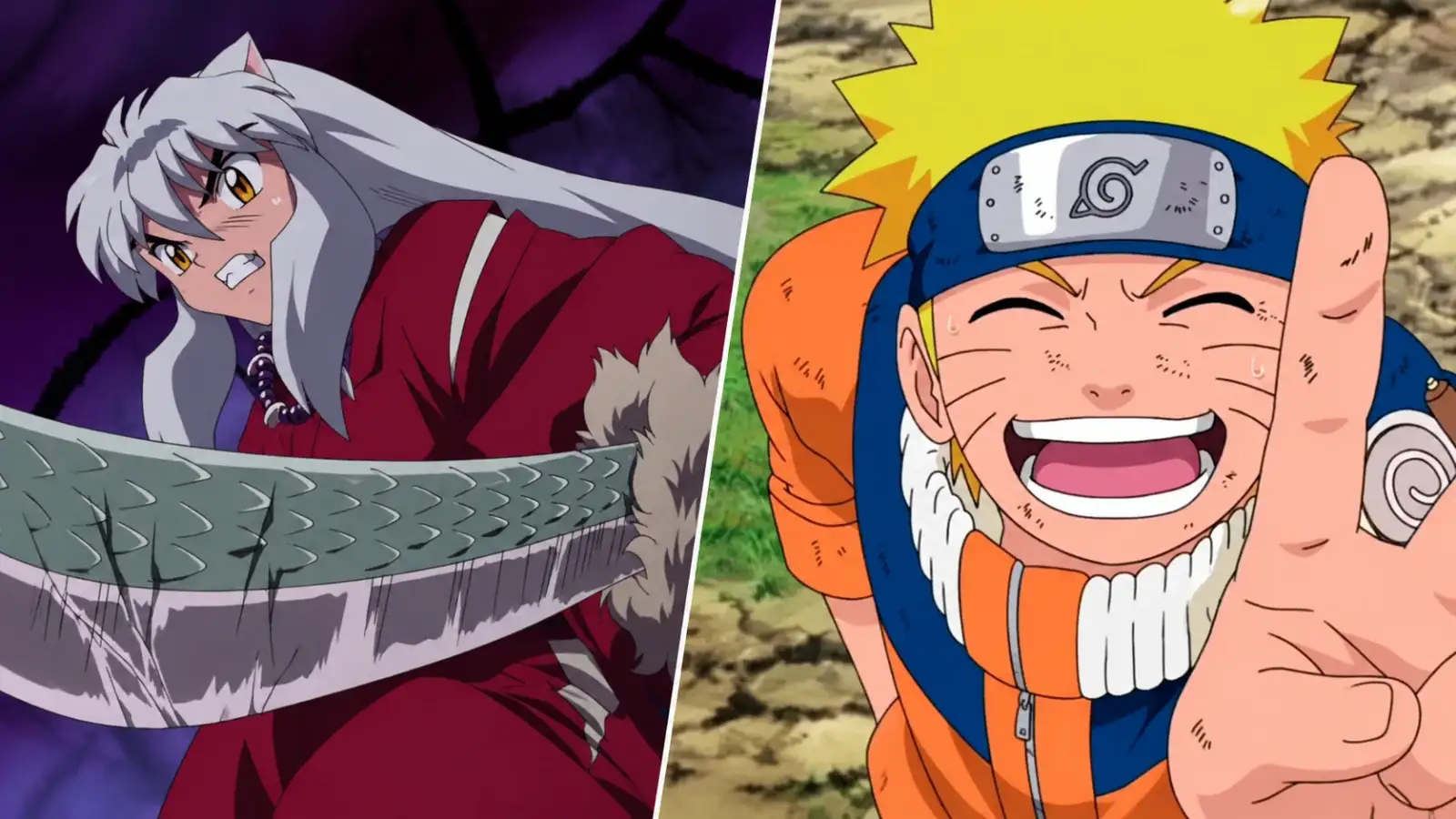
From specialised fighting techniques to ranked warrior organisations, classic anime helped establish storytelling conventions that Demon Slayer adapted for its own world. Gotouge has acknowledged the influence of several popular series, including Bleach, JoJo’s Bizarre Adventure and Naruto.
These five anime offer an insight into the creative traditions behind Demon Slayer and the elements that helped shape its identity.
The connection to Demon Slayer’s Breathing Styles is particularly noticeable. Both systems place specialised breathing techniques at the centre of combat, allowing fighters to channel their abilities against powerful opponents.
The similarities extend to their antagonists. Early parts of JoJo’s Bizarre Adventure feature vampires who disintegrate in sunlight, a concept that also plays an important role in Demon Slayer’s mythology. Muzan Kibutsuji’s ambitions and ability to alter his body provide further parallels with the supernatural threats found in Araki’s series.
Demon Slayer builds its own fighting system around swordsmen, elemental imagery and distinctive techniques, but JoJo’s Bizarre Adventure helped establish a foundation for breathing-based supernatural combat.
The Gotei 13 is an organised force of powerful Soul Reapers divided into specialised divisions. Demon Slayer follows a comparable approach through the Demon Slayer Corps and its elite Hashira, who hold the highest rank among the organisation’s swordsmen.
Both series centre on warriors who answer to a larger authority while confronting dangerous supernatural enemies. Their structured organisations also give the stories a way to introduce increasingly powerful fighters, each with distinctive abilities and personalities.
The antagonists offer another point of comparison. Bleach features Hollows that prey on humans, while Demon Slayer revolves around demons that hunt people. Both series combine supernatural threats with sword-based combat and groups of fighters who must work together to confront them.
Demon Slayer gives these familiar ideas its own historical Japanese setting and emotional focus, but Bleach provides a useful comparison for understanding its organisational structure.
Both feature protagonists who rely on determination, courage and a strong personal sense of responsibility. Naruto Uzumaki and Tanjiro Kamado regularly confront dangerous opponents while remaining committed to protecting others.
Their worlds also use ranking systems to organise fighters according to their experience and abilities. Naruto has ranks such as Genin, Chunin and Jonin, while the Demon Slayer Corps has its own hierarchy, culminating in the Hashira.
One of the most notable similarities lies in their treatment of antagonists. Naruto frequently explores an enemy’s past, revealing the experiences and losses that shaped their decisions. Demon Slayer uses a similar approach, giving many demons tragic histories that add emotional complexity to their defeats.
These backstories do not excuse the harm the villains cause, but they help audiences understand the people they once were. This balance between intense action and emotional storytelling is an important connection between the two series.
Hideaki Sorachi’s series is famous for eccentric characters, exaggerated reactions and unpredictable comedic situations. Its ability to shift between absurd humour and serious storytelling provides a point of comparison for Demon Slayer’s lighter moments.
Characters such as Zenitsu Agatsuma and Inosuke Hashibira bring exaggerated personalities and chaotic energy to Tanjiro’s group. Their contrasting temperaments frequently create comic situations, providing relief from the darker elements of the story.
Gintama also centres on the interactions between Gintoki, Kagura and Shinpachi, whose contrasting personalities drive much of the comedy. Demon Slayer similarly uses the relationships among Tanjiro, Zenitsu and Inosuke to create memorable exchanges between battles.
Although the two series differ considerably in tone, Gintama demonstrates how eccentric characters and well-timed humour can make a story more engaging without undermining its serious moments.
Created by Rumiko Takahashi, Inuyasha combines historical Japanese settings with demons, magical weapons, mythology and adventure. These elements also feature prominently in Demon Slayer, which places its supernatural battles in Japan during the Taisho era.
Both stories explore the relationship between humans and the demon world. Nezuko Kamado becomes a demon while retaining important aspects of her humanity, whereas Inuyasha is a half-demon navigating his own identity and place in the world.
Their principal antagonists also share broad similarities. Muzan Kibutsuji and Naraku are dangerous, manipulative figures whose actions drive much of the conflict surrounding the main characters.
The series also balances supernatural action with humour and character relationships. Their use of Japanese folklore gives their worlds a distinctive cultural foundation, while magical abilities and powerful weapons help drive the adventure.
The similarities do not establish Inuyasha as a confirmed inspiration, but the older series illustrates the long-standing anime tradition of combining historical Japan, supernatural creatures and emotional storytelling.
From specialised fighting techniques to ranked warrior organisations, classic anime helped establish storytelling conventions that Demon Slayer adapted for its own world. Gotouge has acknowledged the influence of several popular series, including Bleach, JoJo’s Bizarre Adventure and Naruto.
These five anime offer an insight into the creative traditions behind Demon Slayer and the elements that helped shape its identity.
1. JoJo’s Bizarre Adventure Inspired Demon Slayer’s Breathing Styles
JoJo’s Bizarre Adventure is one of the most significant influences associated with Demon Slayer. Created by Hirohiko Araki, the long-running series introduced the Ripple Technique, a breathing-based ability that allows its users to produce energy capable of fighting supernatural enemies.The connection to Demon Slayer’s Breathing Styles is particularly noticeable. Both systems place specialised breathing techniques at the centre of combat, allowing fighters to channel their abilities against powerful opponents.
The similarities extend to their antagonists. Early parts of JoJo’s Bizarre Adventure feature vampires who disintegrate in sunlight, a concept that also plays an important role in Demon Slayer’s mythology. Muzan Kibutsuji’s ambitions and ability to alter his body provide further parallels with the supernatural threats found in Araki’s series.
Demon Slayer builds its own fighting system around swordsmen, elemental imagery and distinctive techniques, but JoJo’s Bizarre Adventure helped establish a foundation for breathing-based supernatural combat.
2. Bleach Helped Shape the Hashira Organisation
Bleach shares several structural similarities with Demon Slayer, particularly through its elite warrior organisations. Tatsuhiko Katayama, the primary editor for Demon Slayer, reportedly noted that the Gotei 13 from Bleach came up repeatedly during discussions about the series.The Gotei 13 is an organised force of powerful Soul Reapers divided into specialised divisions. Demon Slayer follows a comparable approach through the Demon Slayer Corps and its elite Hashira, who hold the highest rank among the organisation’s swordsmen.
Both series centre on warriors who answer to a larger authority while confronting dangerous supernatural enemies. Their structured organisations also give the stories a way to introduce increasingly powerful fighters, each with distinctive abilities and personalities.
The antagonists offer another point of comparison. Bleach features Hollows that prey on humans, while Demon Slayer revolves around demons that hunt people. Both series combine supernatural threats with sword-based combat and groups of fighters who must work together to confront them.
Demon Slayer gives these familiar ideas its own historical Japanese setting and emotional focus, but Bleach provides a useful comparison for understanding its organisational structure.
3. Naruto Shares Demon Slayer’s Approach to Heroes and Villains
Naruto is another series that Koyoharu Gotouge identified among the manga that influenced Demon Slayer. Although the two stories have different settings and supernatural systems, they share several storytelling techniques.Both feature protagonists who rely on determination, courage and a strong personal sense of responsibility. Naruto Uzumaki and Tanjiro Kamado regularly confront dangerous opponents while remaining committed to protecting others.
Their worlds also use ranking systems to organise fighters according to their experience and abilities. Naruto has ranks such as Genin, Chunin and Jonin, while the Demon Slayer Corps has its own hierarchy, culminating in the Hashira.
One of the most notable similarities lies in their treatment of antagonists. Naruto frequently explores an enemy’s past, revealing the experiences and losses that shaped their decisions. Demon Slayer uses a similar approach, giving many demons tragic histories that add emotional complexity to their defeats.
These backstories do not excuse the harm the villains cause, but they help audiences understand the people they once were. This balance between intense action and emotional storytelling is an important connection between the two series.
4. Gintama Influenced Demon Slayer’s Humour and Character Dynamics
Demon Slayer is known for its violent battles and tragic moments, but its comedy is also an important part of the experience. Gintama offers a useful example of how humour can coexist with a world filled with danger and conflict.Hideaki Sorachi’s series is famous for eccentric characters, exaggerated reactions and unpredictable comedic situations. Its ability to shift between absurd humour and serious storytelling provides a point of comparison for Demon Slayer’s lighter moments.
Characters such as Zenitsu Agatsuma and Inosuke Hashibira bring exaggerated personalities and chaotic energy to Tanjiro’s group. Their contrasting temperaments frequently create comic situations, providing relief from the darker elements of the story.
Gintama also centres on the interactions between Gintoki, Kagura and Shinpachi, whose contrasting personalities drive much of the comedy. Demon Slayer similarly uses the relationships among Tanjiro, Zenitsu and Inosuke to create memorable exchanges between battles.
Although the two series differ considerably in tone, Gintama demonstrates how eccentric characters and well-timed humour can make a story more engaging without undermining its serious moments.
5. Inuyasha Shares Demon Slayer’s Blend of Japanese Folklore and Adventure
Inuyasha offers another useful comparison, although Koyoharu Gotouge has not officially confirmed it as a direct influence on Demon Slayer.Created by Rumiko Takahashi, Inuyasha combines historical Japanese settings with demons, magical weapons, mythology and adventure. These elements also feature prominently in Demon Slayer, which places its supernatural battles in Japan during the Taisho era.
Both stories explore the relationship between humans and the demon world. Nezuko Kamado becomes a demon while retaining important aspects of her humanity, whereas Inuyasha is a half-demon navigating his own identity and place in the world.
Their principal antagonists also share broad similarities. Muzan Kibutsuji and Naraku are dangerous, manipulative figures whose actions drive much of the conflict surrounding the main characters.
The series also balances supernatural action with humour and character relationships. Their use of Japanese folklore gives their worlds a distinctive cultural foundation, while magical abilities and powerful weapons help drive the adventure.
The similarities do not establish Inuyasha as a confirmed inspiration, but the older series illustrates the long-standing anime tradition of combining historical Japan, supernatural creatures and emotional storytelling.
Next Story