
5 Anime Villains Who Were Once Heroes With Noble Ideals

Some of anime's most memorable villains are not characters who were born cruel. They were once protectors, idealists, rebels and even genuine heroes who believed they were making the world a better place.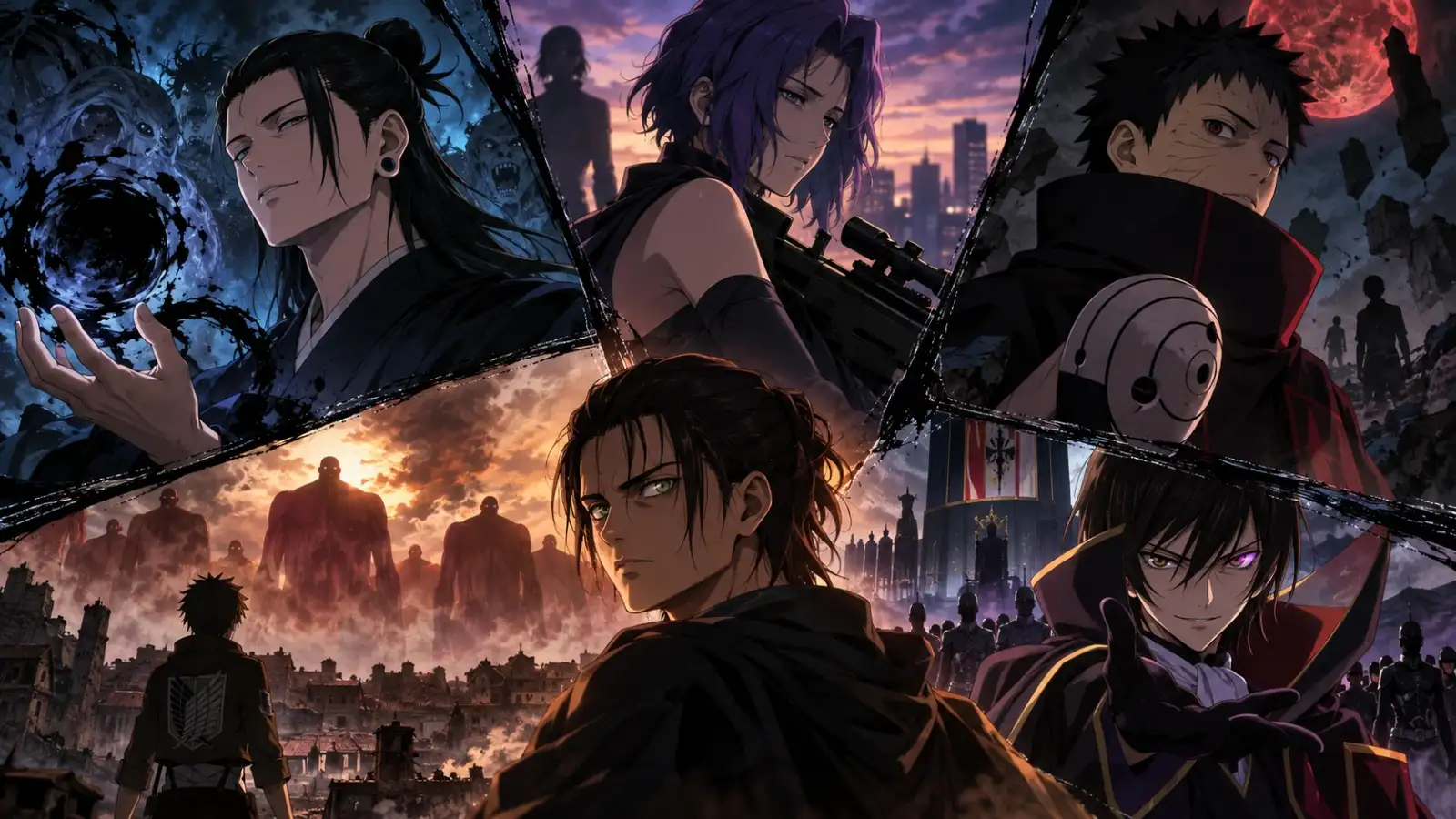
What makes their stories so compelling is the journey between those two extremes. Their ideals rarely disappear completely. Instead, grief, betrayal, disappointment and obsession twist those beliefs until the same desire that once drove them to protect others pushes them towards destruction.
Understanding their past does not justify the terrible choices they eventually make. It does, however, reveal how frighteningly easy it can be for good intentions to take a darker path.
Geto genuinely believed that powerful sorcerers had a responsibility to shield non-sorcerers. His Cursed Spirit Manipulation technique made him particularly effective because he could absorb curses and use them in battle.
But being a jujutsu sorcerer came with an enormous psychological cost. Geto repeatedly witnessed sorcerers risking their lives while ordinary humans unknowingly contributed to the creation of curses through their negative emotions.
Over time, his frustration became resentment. The world he had once wanted to protect began to look fundamentally unfair to him. Eventually, Geto abandoned his former ideals and became a curse user who viewed non-sorcerers as the source of the problem.
His transformation is tragic precisely because his original desire to protect people was genuine.
She also believed in the purpose of hero society.
The problem was that the reality behind that society was far darker than the public understood. Nagant became involved with the Hero Public Safety Commission and was ordered to carry out covert assassinations against people considered dangerous.
The public could continue believing that heroes existed solely to protect them because Nagant was doing the work that could never be celebrated publicly.
Eventually, the contradiction became impossible for her to accept. The hero she once wanted to be had effectively become an instrument for a system she no longer trusted.
Nagant's fall demonstrates how an idealistic person can become an enemy after discovering that the institution they believed in is not as heroic as it appears.
Like Naruto years later, Obito was initially an outsider who desperately wanted recognition. He cared deeply about his friends and repeatedly demonstrated that he was willing to put himself in danger to protect them.
That heroic side of Obito becomes especially important because his eventual transformation is driven by the destruction of his hope.
A devastating mission and the events that follow leave Obito traumatised. Instead of continuing to believe that people can overcome suffering, he becomes convinced that the world itself is fundamentally broken.
As an antagonist in Naruto: Shippuden, Obito attempts to escape reality rather than repair it. His plan promises a world where people can be protected from pain by replacing reality with an illusion.
His conflict with Naruto therefore becomes deeply personal. Both characters experience loneliness and loss, but they respond to suffering in completely different ways.
Naruto continues to believe in human connections. Obito decides that reality is too painful to be worth saving.
After obtaining the power of Geass, which allows him to command people through direct orders, Lelouch adopts the identity of Zero and launches a rebellion against the Holy Britannian Empire.
His methods are often ruthless, but his initial objective is understandable. He wants to challenge an oppressive empire and create a better future for the people he cares about.
Eventually, however, Lelouch takes his plan much further.
As Emperor, he deliberately presents himself as a brutal and seemingly absolute ruler. Rather than attempting to become a beloved leader, he chooses to become the person everyone can unite against.
Lelouch's ultimate strategy depends on concentrating the world's hatred onto himself. By becoming the final villain in the eyes of the world, he hopes to give rival nations and factions a common enemy and create the possibility of lasting peace after his death.
Unlike many fallen heroes, Lelouch does not simply lose his ideals. He becomes willing to sacrifice his own reputation and life to achieve them.
For years, he fights alongside the people of Paradis and becomes one of humanity's most determined defenders.
Then Eren discovers that the Titans are only part of a much larger conflict.
The truth about the outside world completely changes his understanding of his enemies. The people he once considered monsters are connected to a complicated history involving nations, war, discrimination and generations of hatred.
Eren's response becomes increasingly extreme.
He starts keeping his plans secret from his closest friends and takes actions that force them to choose between supporting him and stopping him. The boy who once fought alongside them eventually becomes someone they must confront.
Yet the most tragic part of Eren's character is that his central desire never truly disappears. He still wants freedom and still hates the feeling of being imprisoned by circumstances beyond his control.
What changes is the price he is prepared to pay for that freedom.
None of them begins with the simple desire to cause suffering. Their original motivations are connected to protection, freedom, justice, friendship or a desire to create something better.
Their stories become tragic when those admirable goals are gradually distorted.
That is why these characters remain so memorable. They are not simply obstacles for the protagonists to defeat. They represent alternate paths the heroes themselves could potentially have taken.
Their falls remind viewers that having a noble goal does not guarantee a noble outcome. Sometimes, the most dangerous villains are the people who still believe they are fighting for something worth saving.
What makes their stories so compelling is the journey between those two extremes. Their ideals rarely disappear completely. Instead, grief, betrayal, disappointment and obsession twist those beliefs until the same desire that once drove them to protect others pushes them towards destruction.
Understanding their past does not justify the terrible choices they eventually make. It does, however, reveal how frighteningly easy it can be for good intentions to take a darker path.
1. Suguru Geto Lost Faith in the People He Once Protected
Suguru Geto began Jujutsu Kaisen as one of the most talented young sorcerers at Tokyo Jujutsu High. Alongside Satoru Gojo, he devoted himself to fighting curses and protecting ordinary people who could not defend themselves.Geto genuinely believed that powerful sorcerers had a responsibility to shield non-sorcerers. His Cursed Spirit Manipulation technique made him particularly effective because he could absorb curses and use them in battle.
But being a jujutsu sorcerer came with an enormous psychological cost. Geto repeatedly witnessed sorcerers risking their lives while ordinary humans unknowingly contributed to the creation of curses through their negative emotions.
Over time, his frustration became resentment. The world he had once wanted to protect began to look fundamentally unfair to him. Eventually, Geto abandoned his former ideals and became a curse user who viewed non-sorcerers as the source of the problem.
His transformation is tragic precisely because his original desire to protect people was genuine.
2. Lady Nagant Discovered the Dark Side of Hero Society
Lady Nagant initially embodied everything My Hero Academia associated with a professional hero. She possessed an exceptionally powerful Rifle Quirk, remarkable accuracy and the skills required to eliminate dangerous threats from a distance.She also believed in the purpose of hero society.
The problem was that the reality behind that society was far darker than the public understood. Nagant became involved with the Hero Public Safety Commission and was ordered to carry out covert assassinations against people considered dangerous.
The public could continue believing that heroes existed solely to protect them because Nagant was doing the work that could never be celebrated publicly.
Eventually, the contradiction became impossible for her to accept. The hero she once wanted to be had effectively become an instrument for a system she no longer trusted.
Nagant's fall demonstrates how an idealistic person can become an enemy after discovering that the institution they believed in is not as heroic as it appears.
3. Obito Uchiha Went From Aspiring Hokage to Destroying Reality
Obito Uchiha was once an energetic young ninja with an enormous dream: becoming Hokage.Like Naruto years later, Obito was initially an outsider who desperately wanted recognition. He cared deeply about his friends and repeatedly demonstrated that he was willing to put himself in danger to protect them.
That heroic side of Obito becomes especially important because his eventual transformation is driven by the destruction of his hope.
A devastating mission and the events that follow leave Obito traumatised. Instead of continuing to believe that people can overcome suffering, he becomes convinced that the world itself is fundamentally broken.
As an antagonist in Naruto: Shippuden, Obito attempts to escape reality rather than repair it. His plan promises a world where people can be protected from pain by replacing reality with an illusion.
His conflict with Naruto therefore becomes deeply personal. Both characters experience loneliness and loss, but they respond to suffering in completely different ways.
Naruto continues to believe in human connections. Obito decides that reality is too painful to be worth saving.
4. Lelouch Became the Tyrant He Wanted to Defeat
Lelouch vi Britannia's journey in Code Geass is unusual because his transformation into a villain is partly deliberate.After obtaining the power of Geass, which allows him to command people through direct orders, Lelouch adopts the identity of Zero and launches a rebellion against the Holy Britannian Empire.
His methods are often ruthless, but his initial objective is understandable. He wants to challenge an oppressive empire and create a better future for the people he cares about.
Eventually, however, Lelouch takes his plan much further.
As Emperor, he deliberately presents himself as a brutal and seemingly absolute ruler. Rather than attempting to become a beloved leader, he chooses to become the person everyone can unite against.
Lelouch's ultimate strategy depends on concentrating the world's hatred onto himself. By becoming the final villain in the eyes of the world, he hopes to give rival nations and factions a common enemy and create the possibility of lasting peace after his death.
Unlike many fallen heroes, Lelouch does not simply lose his ideals. He becomes willing to sacrifice his own reputation and life to achieve them.
5. Eren Yeager Turned Humanity's Defender Into Its Greatest Threat
At the beginning of Attack on Titan, Eren Yeager appears to have one straightforward goal: destroy the Titans that devastated his home and killed his mother.For years, he fights alongside the people of Paradis and becomes one of humanity's most determined defenders.
Then Eren discovers that the Titans are only part of a much larger conflict.
The truth about the outside world completely changes his understanding of his enemies. The people he once considered monsters are connected to a complicated history involving nations, war, discrimination and generations of hatred.
Eren's response becomes increasingly extreme.
He starts keeping his plans secret from his closest friends and takes actions that force them to choose between supporting him and stopping him. The boy who once fought alongside them eventually becomes someone they must confront.
You may also like
- Indira Krishnan says 'people who are forgotten use such stunts to stay relevant' on Rohit Roy's 'dustbin' remark
- Ramayana First Song: Ranbir Kapoor's Divine Look as Lord Ram Wins Hearts — 4 Scenes That Stand Out
- Arjun Bijlani welcomes Bappa home with family: 'The feeling of everyone coming together is very special'
- Ramayana First Song 'Jai Jai Ram' Out: Ranbir Kapoor Looks Divine as Lord Ram, Sai Pallavi Mesmerises as Sita
- Salman Khan's Bodyguard Shera's Son Abir Singh Set to Make Bollywood Debut — Here's the Film He May Star In
Yet the most tragic part of Eren's character is that his central desire never truly disappears. He still wants freedom and still hates the feeling of being imprisoned by circumstances beyond his control.
What changes is the price he is prepared to pay for that freedom.
Why These Villains Are So Effective
Geto, Nagant, Obito, Lelouch and Eren all demonstrate a similar idea: the line between hero and villain is sometimes shaped by what happens after a person loses faith in the world.None of them begins with the simple desire to cause suffering. Their original motivations are connected to protection, freedom, justice, friendship or a desire to create something better.
Their stories become tragic when those admirable goals are gradually distorted.
That is why these characters remain so memorable. They are not simply obstacles for the protagonists to defeat. They represent alternate paths the heroes themselves could potentially have taken.
Their falls remind viewers that having a noble goal does not guarantee a noble outcome. Sometimes, the most dangerous villains are the people who still believe they are fighting for something worth saving.






Loving Newspoint? Download the app now
