
8 Anime Like Neon Genesis Evangelion for Fans of Dark Psychological Stories

Few anime have left a cultural footprint as large as Neon Genesis Evangelion. What initially looks like a conventional story about teenagers, giant machines and an impending catastrophe gradually becomes something much more personal, exploring isolation, identity, depression, fear and the difficulty of connecting with other people.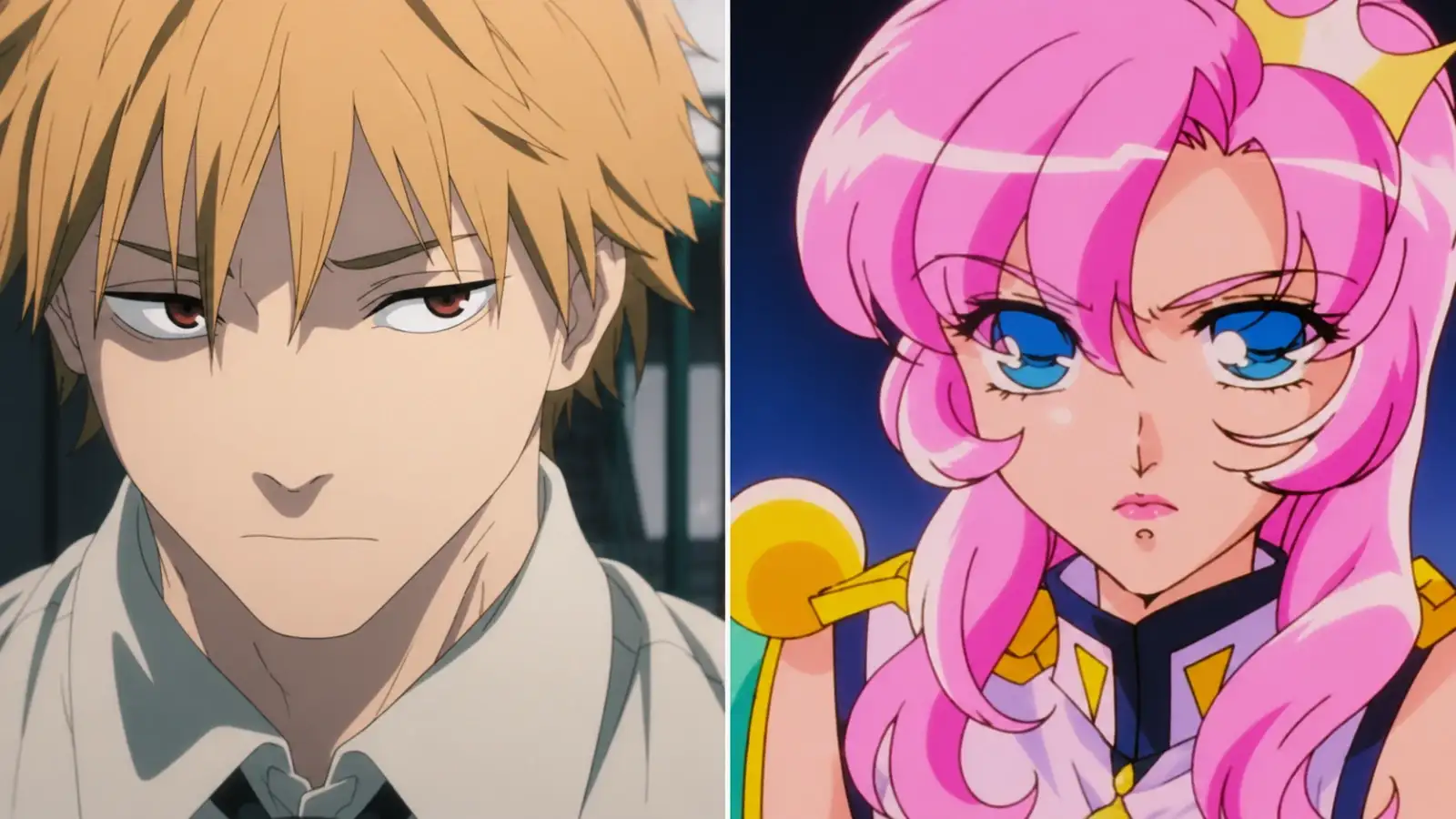
That combination is precisely what makes finding another anime like Evangelion so difficult. Many series can match its mecha action, while others can reproduce its psychological intensity, but very few combine the two in quite the same way.
Fortunately, anime has produced plenty of ambitious series that explore similar territory. Some focus on troubled young protagonists, others blur the boundary between reality and illusion, while a few use science fiction or supernatural horror to examine deeply human fears.
If Evangelion left you wanting another strange, unsettling and thought-provoking experience, these eight anime are worth exploring.
The story begins with a mysterious attacker known as Lil' Slugger, who appears to be targeting people across Tokyo. What initially looks like a straightforward investigation gradually becomes much more complicated as the personal fears, pressures and emotional problems of different characters come to the surface.
The series is less interested in conventional action than in understanding why people retreat into fantasies when reality becomes difficult to handle.
That makes Paranoia Agent particularly compelling for Evangelion viewers. Both series explore isolation and psychological distress while deliberately making the audience question what is actually happening.
Reality does not always remain stable, and the more the story develops, the harder it becomes to separate genuine events from the characters' perceptions.
The 2002 series follows Ayato Kamina, a teenager living in Tokyo whose life changes after a mysterious attack. He encounters Reika Mishima and eventually becomes connected to the enormous humanoid weapon known as RahXephon. The official Bones synopsis places Ayato at the centre of a mysterious conflict involving Tokyo, the Mu and the RahXephon itself.
The basic premise may sound familiar, but RahXephon develops its own mythology around the concept.
Mysteries surrounding Ayato's identity, the strange state of Tokyo and the nature of the enemies gradually become more important than straightforward robot battles. Romance, memory and questions about reality are woven into the science fiction story.
It is often compared with Evangelion for good reason, but it should be approached as its own series rather than simply as a substitute.
Lain Iwakura begins as a quiet and socially withdrawn schoolgirl. Her life changes after she becomes increasingly involved with the Wired, a mysterious network that begins to challenge conventional ideas about identity and reality.
As Lain becomes more deeply connected to the digital world, the distinction between her online existence and physical life becomes increasingly difficult to understand.
The series asks questions about consciousness, individuality, technology and human connection without always providing comfortable answers. That ambiguity is a major part of its appeal.
Like Evangelion, Lain expects the audience to sit with uncertainty rather than explaining every strange event immediately. Both have also developed reputations for rewarding viewers who return to them and notice details they missed the first time.
Akira Fudo becomes involved with demons after his childhood friend Ryo draws him into a dangerous plan. The transformation gives Akira enormous power, but it also places him at the centre of an increasingly violent conflict between humans and demons.
What begins as a supernatural battle rapidly becomes a story about fear, prejudice, loneliness and the destructive behaviour of frightened societies.
The series also makes extensive use of religious and apocalyptic imagery, creating some obvious thematic connections with Evangelion. Both anime use enormous supernatural threats as a way of exploring much smaller human problems.
Devilman Crybaby is considerably more graphic, but its emotional bleakness and interest in human cruelty make it a natural recommendation for viewers who want something darker.
Released as an OVA in 1988 and 1989, the series follows Noriko Takaya and Kazumi Amano as they train to become pilots capable of fighting an extraterrestrial threat. The six-episode production was directed by Anno and produced by Gainax, years before Evangelion became his defining work.
Gunbuster is not as psychologically bleak as Evangelion throughout its run. It contains humour, training sequences and spectacular mecha action, but it also gradually introduces more serious ideas about sacrifice, distance, time and the emotional cost of war.
That mixture makes it particularly fascinating in retrospect.
You can see elements of the creative approach that would later become more prominent in Evangelion, while also watching a series that has its own tone and identity.
The story follows Utena Tenjou, a girl who becomes involved in a strange duelling system at Ohtori Academy. The school looks elegant and almost fairy-tale-like, but the rules governing its duels gradually reveal something much darker.
Like Evangelion, Utena frequently communicates through visual symbolism rather than straightforward exposition.
Recurring images, unusual spaces and deliberately theatrical sequences become part of the language of the story. The series explores identity, control, relationships, gender expectations and emotional trauma beneath its surreal presentation.
For viewers who enjoy anime that can be interpreted in several different ways, Utena offers plenty to analyse.
Its symbolism is not simply decoration. It is part of how the series communicates what its characters are experiencing.
The characters are young, the world is full of magic and the central premise seems familiar. But the series gradually reveals that becoming a magical girl comes with consequences that are far more disturbing than the characters initially realise.
That shift is one of the reasons Evangelion fans often connect with Madoka Magica.
Both series take a familiar genre framework and gradually expose a much darker reality underneath it. The cute or conventional surface becomes increasingly difficult to trust as the psychological stakes rise.
Madoka Magica also has a distinctive visual style. Its witch labyrinths use strange, collage-like imagery and distorted environments that create an atmosphere very different from ordinary anime settings.
The result is a series that manages to be visually beautiful and deeply unsettling at the same time.
The original series follows Amuro Ray after he becomes the pilot of the RX-78-2 Gundam during a major military conflict. Instead of presenting mecha purely as heroic machines, Gundam places its characters inside a broader war and repeatedly shows the consequences of combat.
That makes it useful viewing for Evangelion fans interested in the genre's foundations.
Evangelion is far more surreal and psychologically inward, but both series place young people in situations where adults have created conflicts that the younger generation must somehow survive.
The difference is largely one of tone. Gundam is primarily a war drama with science fiction elements, while Evangelion eventually turns its attention much more aggressively towards psychology, identity and existential questions.
In fact, some of the strongest recommendations here do not contain mecha at all.
Serial Experiments Lain shares Evangelion's interest in identity and unstable reality. Paranoia Agent explores psychological pressure and escapism. Madoka Magica takes a familiar genre and gradually transforms it into something much darker. Devilman Crybaby uses apocalypse and supernatural horror to examine human behaviour.
RahXephon and Gunbuster are more directly connected to Evangelion's mecha heritage, while Utena approaches similar themes through symbolism, theatrical storytelling and complicated relationships.
That variety explains why Evangelion remains such an influential reference point. Its appeal was never simply about robots fighting monsters.
Some remember the battles and want another ambitious mecha series. Others are more interested in Shinji's emotional struggles, the complicated relationships between the characters or the show's fascination with loneliness and identity.
There are also viewers who simply want that particular feeling of watching something where the meaning is never completely obvious.
These eight anime approach those elements differently. None is a replacement for Evangelion, and expecting another series to reproduce the same experience can make comparisons less useful.
Instead, each offers a different route into the qualities that made Evangelion so memorable.
If the psychological side appealed most, Serial Experiments Lain and Paranoia Agent are natural choices. If the mecha component was the biggest draw, RahXephon, Gunbuster and Mobile Suit Gundam provide very different versions of the genre. For viewers looking for symbolism and genre subversion, Utena and Madoka Magica offer more unconventional paths.
And if what you want is something genuinely bleak and unsettling, Devilman Crybaby takes the conversation into much darker territory
That combination is precisely what makes finding another anime like Evangelion so difficult. Many series can match its mecha action, while others can reproduce its psychological intensity, but very few combine the two in quite the same way.
Fortunately, anime has produced plenty of ambitious series that explore similar territory. Some focus on troubled young protagonists, others blur the boundary between reality and illusion, while a few use science fiction or supernatural horror to examine deeply human fears.
If Evangelion left you wanting another strange, unsettling and thought-provoking experience, these eight anime are worth exploring.
1. Paranoia Agent Turns Everyday Anxiety Into Psychological Horror
Satoshi Kon's Paranoia Agent is one of the strongest choices for viewers who enjoyed Evangelion's psychological side.The story begins with a mysterious attacker known as Lil' Slugger, who appears to be targeting people across Tokyo. What initially looks like a straightforward investigation gradually becomes much more complicated as the personal fears, pressures and emotional problems of different characters come to the surface.
The series is less interested in conventional action than in understanding why people retreat into fantasies when reality becomes difficult to handle.
That makes Paranoia Agent particularly compelling for Evangelion viewers. Both series explore isolation and psychological distress while deliberately making the audience question what is actually happening.
Reality does not always remain stable, and the more the story develops, the harder it becomes to separate genuine events from the characters' perceptions.
2. RahXephon Is the Closest Match for Mecha Fans
If the giant robots are one of the main reasons you loved Evangelion, RahXephon deserves immediate attention.The 2002 series follows Ayato Kamina, a teenager living in Tokyo whose life changes after a mysterious attack. He encounters Reika Mishima and eventually becomes connected to the enormous humanoid weapon known as RahXephon. The official Bones synopsis places Ayato at the centre of a mysterious conflict involving Tokyo, the Mu and the RahXephon itself.
The basic premise may sound familiar, but RahXephon develops its own mythology around the concept.
Mysteries surrounding Ayato's identity, the strange state of Tokyo and the nature of the enemies gradually become more important than straightforward robot battles. Romance, memory and questions about reality are woven into the science fiction story.
It is often compared with Evangelion for good reason, but it should be approached as its own series rather than simply as a substitute.
3. Serial Experiments Lain Goes Even Deeper Into Identity
Serial Experiments Lain is an excellent choice if the philosophical and psychological elements of Evangelion interested you more than the battles.Lain Iwakura begins as a quiet and socially withdrawn schoolgirl. Her life changes after she becomes increasingly involved with the Wired, a mysterious network that begins to challenge conventional ideas about identity and reality.
As Lain becomes more deeply connected to the digital world, the distinction between her online existence and physical life becomes increasingly difficult to understand.
The series asks questions about consciousness, individuality, technology and human connection without always providing comfortable answers. That ambiguity is a major part of its appeal.
Like Evangelion, Lain expects the audience to sit with uncertainty rather than explaining every strange event immediately. Both have also developed reputations for rewarding viewers who return to them and notice details they missed the first time.
4. Devilman Crybaby Brings the Apocalypse Into a Psychological Nightmare
Devilman Crybaby takes supernatural horror and turns it into a disturbing examination of humanity.Akira Fudo becomes involved with demons after his childhood friend Ryo draws him into a dangerous plan. The transformation gives Akira enormous power, but it also places him at the centre of an increasingly violent conflict between humans and demons.
What begins as a supernatural battle rapidly becomes a story about fear, prejudice, loneliness and the destructive behaviour of frightened societies.
The series also makes extensive use of religious and apocalyptic imagery, creating some obvious thematic connections with Evangelion. Both anime use enormous supernatural threats as a way of exploring much smaller human problems.
Devilman Crybaby is considerably more graphic, but its emotional bleakness and interest in human cruelty make it a natural recommendation for viewers who want something darker.
5. Gunbuster Shows Where Some of Evangelion's Ideas Came From
For fans interested in Hideaki Anno's development as a creator, Gunbuster is particularly worth watching.Released as an OVA in 1988 and 1989, the series follows Noriko Takaya and Kazumi Amano as they train to become pilots capable of fighting an extraterrestrial threat. The six-episode production was directed by Anno and produced by Gainax, years before Evangelion became his defining work.
Gunbuster is not as psychologically bleak as Evangelion throughout its run. It contains humour, training sequences and spectacular mecha action, but it also gradually introduces more serious ideas about sacrifice, distance, time and the emotional cost of war.
That mixture makes it particularly fascinating in retrospect.
You can see elements of the creative approach that would later become more prominent in Evangelion, while also watching a series that has its own tone and identity.
6. Revolutionary Girl Utena Uses Symbolism Instead of Conventional World-Building
Revolutionary Girl Utena may seem like an unusual recommendation at first.The story follows Utena Tenjou, a girl who becomes involved in a strange duelling system at Ohtori Academy. The school looks elegant and almost fairy-tale-like, but the rules governing its duels gradually reveal something much darker.
Like Evangelion, Utena frequently communicates through visual symbolism rather than straightforward exposition.
Recurring images, unusual spaces and deliberately theatrical sequences become part of the language of the story. The series explores identity, control, relationships, gender expectations and emotional trauma beneath its surreal presentation.
For viewers who enjoy anime that can be interpreted in several different ways, Utena offers plenty to analyse.
Its symbolism is not simply decoration. It is part of how the series communicates what its characters are experiencing.
7. Puella Magi Madoka Magica Turns a Familiar Genre Upside Down
Madoka Magica initially appears to be a colourful magical-girl series.The characters are young, the world is full of magic and the central premise seems familiar. But the series gradually reveals that becoming a magical girl comes with consequences that are far more disturbing than the characters initially realise.
That shift is one of the reasons Evangelion fans often connect with Madoka Magica.
Both series take a familiar genre framework and gradually expose a much darker reality underneath it. The cute or conventional surface becomes increasingly difficult to trust as the psychological stakes rise.
Madoka Magica also has a distinctive visual style. Its witch labyrinths use strange, collage-like imagery and distorted environments that create an atmosphere very different from ordinary anime settings.
The result is a series that manages to be visually beautiful and deeply unsettling at the same time.
8. Mobile Suit Gundam Shows the Human Cost of Mecha Warfare
Mobile Suit Gundam is an important recommendation for another reason. It demonstrates that giant-robot anime can use mechanical battles to explore war, politics and the psychological consequences of conflict.The original series follows Amuro Ray after he becomes the pilot of the RX-78-2 Gundam during a major military conflict. Instead of presenting mecha purely as heroic machines, Gundam places its characters inside a broader war and repeatedly shows the consequences of combat.
That makes it useful viewing for Evangelion fans interested in the genre's foundations.
Evangelion is far more surreal and psychologically inward, but both series place young people in situations where adults have created conflicts that the younger generation must somehow survive.
The difference is largely one of tone. Gundam is primarily a war drama with science fiction elements, while Evangelion eventually turns its attention much more aggressively towards psychology, identity and existential questions.
What Makes These Anime Feel Like Evangelion?
The similarities between these series are not limited to giant robots.In fact, some of the strongest recommendations here do not contain mecha at all.
Serial Experiments Lain shares Evangelion's interest in identity and unstable reality. Paranoia Agent explores psychological pressure and escapism. Madoka Magica takes a familiar genre and gradually transforms it into something much darker. Devilman Crybaby uses apocalypse and supernatural horror to examine human behaviour.
RahXephon and Gunbuster are more directly connected to Evangelion's mecha heritage, while Utena approaches similar themes through symbolism, theatrical storytelling and complicated relationships.
That variety explains why Evangelion remains such an influential reference point. Its appeal was never simply about robots fighting monsters.
Why Evangelion Fans Keep Looking for Similar Anime
Evangelion leaves viewers with several different things they might want more of.Some remember the battles and want another ambitious mecha series. Others are more interested in Shinji's emotional struggles, the complicated relationships between the characters or the show's fascination with loneliness and identity.
There are also viewers who simply want that particular feeling of watching something where the meaning is never completely obvious.
These eight anime approach those elements differently. None is a replacement for Evangelion, and expecting another series to reproduce the same experience can make comparisons less useful.
Instead, each offers a different route into the qualities that made Evangelion so memorable.
If the psychological side appealed most, Serial Experiments Lain and Paranoia Agent are natural choices. If the mecha component was the biggest draw, RahXephon, Gunbuster and Mobile Suit Gundam provide very different versions of the genre. For viewers looking for symbolism and genre subversion, Utena and Madoka Magica offer more unconventional paths.
And if what you want is something genuinely bleak and unsettling, Devilman Crybaby takes the conversation into much darker territory
Next Story