
10 Great Anime Villains Who Lost Their Impact by the Final Arc

A memorable villain can completely change an anime. The right antagonist creates tension, challenges the heroes and gives the story a reason to keep moving forward.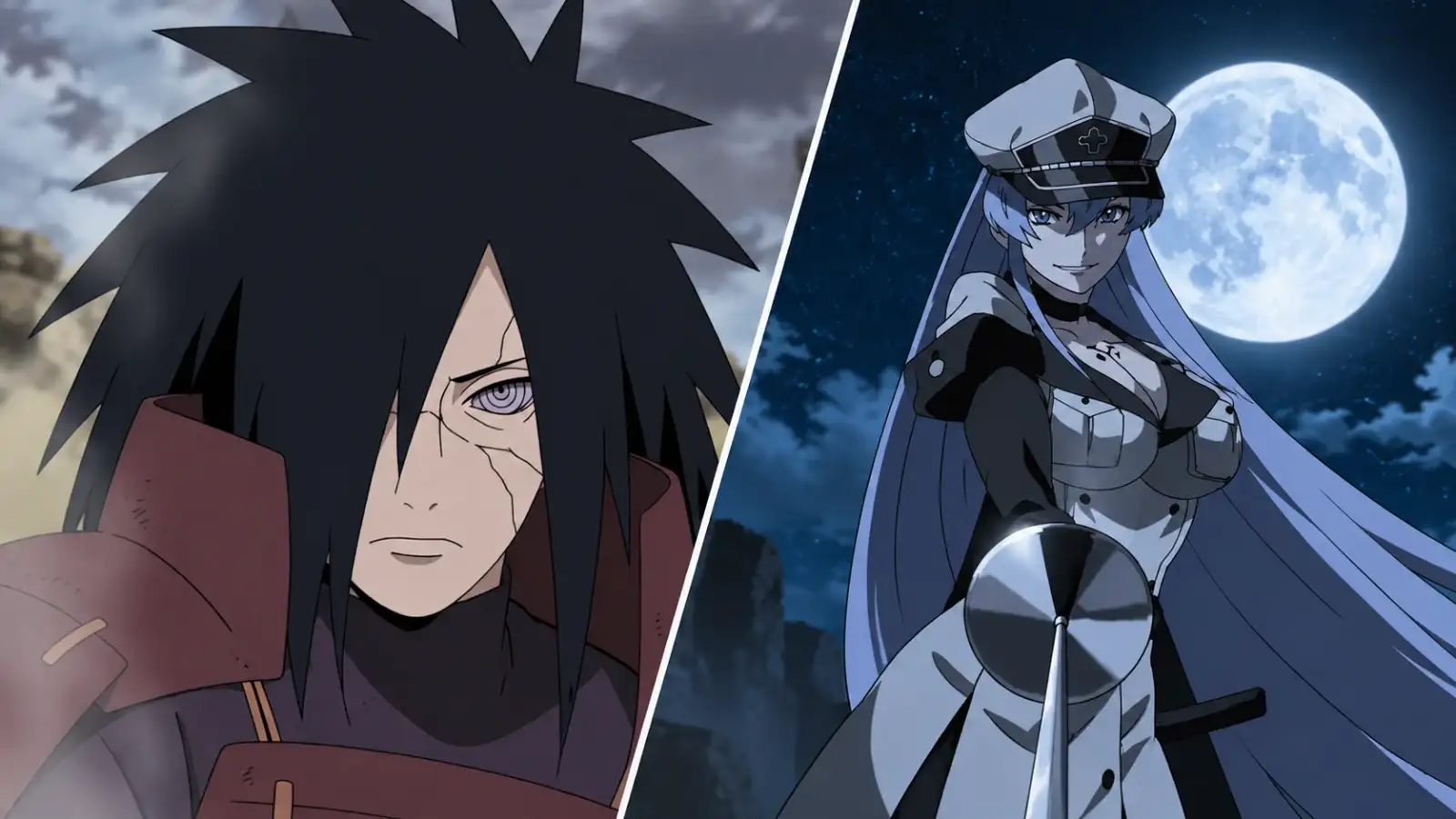
The problem is that a villain's reputation depends heavily on how their story ends.
Several anime have introduced antagonists with fascinating motives, frightening abilities and years of carefully planned build-up, only for their final arcs to weaken what made them interesting. Some were defeated after battles that dragged on too long, while others received rushed conclusions or sudden changes in character.
These villains had plenty of potential, but their final chapters did not always match the promise of their introductions.
By the time he finally entered the Fourth Great Ninja War, the character had an almost mythical reputation. His enormous chakra reserves, combat skills and mastery of the Sharingan and Rinnegan made him feel like an opponent the heroes could barely hope to defeat.
For a while, the story delivered on that promise.
Madara dominated major battles and repeatedly demonstrated why generations of shinobi feared his name. His presence alone made the war feel significantly more dangerous.
Then the story took a sharp turn.
Madara was suddenly removed from the central conflict when Kaguya Otsutsuki emerged as the final threat. After so much build-up, his story ended without the climactic conclusion many viewers expected from such an important antagonist.
The twist did not erase everything that made Madara compelling, but it significantly changed how his role in the final act was remembered.
His history with the World Government, connections to the underworld and control over Dressrosa established him as a villain with influence far beyond ordinary pirates.
Doflamingo also had a personality that made him difficult to ignore. He could be charming one moment and horrifying the next.
The problem came with the pacing of his eventual defeat.
The Dressrosa Arc spent a huge amount of time moving towards Luffy's confrontation with Doflamingo. The battle itself was spread across numerous episodes while several other conflicts were happening around it.
As a result, the final confrontation lost some of its momentum.
Doflamingo remained a powerful villain, but the sheer length of the arc made his defeat feel less exciting for viewers who had already spent so long waiting for its conclusion.
His immortality, enormous magical power and connection to the history of the series made him feel like a villain whose true importance would eventually reshape the story.
His connection to Natsu added another layer to the mystery.
Unfortunately, Zeref's character became increasingly complicated as more of his history and motivations were revealed. His tragic past was compelling, but his objectives shifted between despair, destruction and domination in ways that made his final characterisation less focused.
His connection to Natsu also became central to the conclusion, but the emotional payoff did not always match the years of build-up.
Zeref had all the ingredients for an exceptional final antagonist. His story simply became too tangled for that potential to be fully realised.
His intelligence, confidence and ability to anticipate his opponents made the battle between Light and L one of the strongest elements of the series.
Light was constantly calculating several moves ahead.
After L's death, however, the dynamic changed dramatically. Near and Mello took over the pursuit, while Light became increasingly confident in his own superiority.
That confidence eventually contributed to his downfall.
The problem for some viewers was that the final version of Light appeared less careful than the character who had previously outmanoeuvred almost everyone around him.
His downfall does make thematic sense, particularly given how arrogance becomes increasingly important to his character. However, the final arc did not always capture the same intellectual tension that made the earlier episodes so memorable.
He rarely needed to fight directly. Instead, he manipulated characters, created conflicts and remained one step ahead of the heroes.
That mystery made him particularly effective during the earlier stages of the story.
Over time, however, Naraku's constant schemes began to feel repetitive. His plans repeatedly created new obstacles, but the central conflict struggled to maintain the same sense of mystery.
By the final stages, the villain had become much more predictable.
His eventual defeat therefore lacked some of the impact promised by his early appearances. The long build-up had established Naraku as a master manipulator, but the conclusion did not always provide the dramatic payoff that such a long-running antagonist required.
The Female Titan was among the first major enemies to make the conflict between humanity and the Titans feel personal. The revelation that Annie was behind the Titan was a major turning point.
After being discovered, Annie crystallised herself and remained out of the story for an extended period.
That long absence created considerable anticipation around her eventual return.
When Annie finally emerged during the final stages of the series, however, there was limited time to explore her character in depth. The final arc already had several major conflicts and characters competing for attention.
Annie's return therefore felt less substantial than the mystery surrounding her had suggested.
Her story was given some closure, but many aspects of her character and consequences of her earlier actions received comparatively little attention.
At the beginning of Berserk, Griffith is charismatic, ambitious and capable of inspiring extraordinary loyalty among his followers. His relationship with Guts provides the emotional foundation for much of the Golden Age story.
Everything changes during the Eclipse.
Griffith's decision to sacrifice the Band of the Hawk and become Femto transforms him into one of the most horrifying figures in the series.
The moment is powerful precisely because of the complexity established beforehand.
However, some later adaptations and portrayals have struggled to reproduce the same emotional depth. Griffith's transformation can make him appear more straightforwardly evil, reducing some of the ambiguity that made his earlier relationship with Guts so compelling.
The character remains iconic, but the transition from complicated ally to supernatural antagonist changes the nature of his appeal.
Her immense combat ability, ruthless worldview and unwavering loyalty to the Empire establish her as a formidable opponent from the beginning. Her fascination with Tatsumi adds another dimension to her otherwise brutal personality.
Unfortunately, that relationship gradually becomes one of the most prominent aspects of her character.
Her final confrontation with Akame had plenty of visual spectacle, but the conclusion moved quickly considering the importance of Esdeath throughout the series.
Her death also gave her a relatively peaceful final moment with Tatsumi.
That ending can feel strangely gentle when compared with the violence and cruelty associated with her character throughout the story.
Esdeath remained memorable, but her final moments did not fully match the intimidating presence she had built throughout the anime.
His cruelty begins in Phantom Blood, while his return in Stardust Crusaders gives him an opportunity to become an even greater threat. The introduction of The World makes him an exceptionally dangerous opponent for Jotaro and the other protagonists.
Yet the final battle has attracted criticism for the way Jotaro eventually counters Dio.
The ability to stop time becomes central to the confrontation, and Star Platinum developing the ability to do the same creates a convenient solution to Dio's greatest advantage.
Dio remains hugely entertaining and unmistakably iconic, but his final defeat is arguably less satisfying than the enormous reputation surrounding him suggested it would be.
His legacy survived the conclusion. His final battle, however, did not always reach the same level.
Elegant, cruel and completely unrestrained, she embodies the show's deliberately excessive approach to villainy. Her plans to control humanity give her a suitably enormous objective, while her connection to Ryuko and Satsuki makes the conflict personal.
The issue is that Ragyo's villainy eventually becomes almost entirely dependent on excess.
Kill la Kill can certainly handle outrageous characters, but Ragyo's increasing reliance on shock value sometimes overshadows the qualities that initially made her threatening.
Her final role becomes more spectacle-driven than psychologically interesting.
That does not necessarily make her ineffective within the show's intentionally chaotic style, but it does mean that her conclusion lacks some of the balance between menace, character and theatricality that initially made her stand out.
Madara needed a meaningful final confrontation. Zeref needed a more focused character journey. Naraku needed a stronger payoff to his years of manipulation, while Light's ending had to preserve the intellectual tension that defined Death Note.
Other characters faced different problems.
Doflamingo's story was affected by pacing, Annie's return had limited room to breathe, while Esdeath and Ragyo received endings that some viewers felt did not fully match their earlier characterisation.
These examples show how difficult it can be to conclude a major villain's story. A powerful introduction can create enormous expectations, but the final arc has to deliver on years of development.
When it does not, even an iconic villain can finish their story feeling less impressive than when they first appeared.
The problem is that a villain's reputation depends heavily on how their story ends.
Several anime have introduced antagonists with fascinating motives, frightening abilities and years of carefully planned build-up, only for their final arcs to weaken what made them interesting. Some were defeated after battles that dragged on too long, while others received rushed conclusions or sudden changes in character.
These villains had plenty of potential, but their final chapters did not always match the promise of their introductions.
1. Madara Uchiha
Madara Uchiha spent years being presented as one of the biggest threats in Naruto.By the time he finally entered the Fourth Great Ninja War, the character had an almost mythical reputation. His enormous chakra reserves, combat skills and mastery of the Sharingan and Rinnegan made him feel like an opponent the heroes could barely hope to defeat.
For a while, the story delivered on that promise.
Madara dominated major battles and repeatedly demonstrated why generations of shinobi feared his name. His presence alone made the war feel significantly more dangerous.
Then the story took a sharp turn.
Madara was suddenly removed from the central conflict when Kaguya Otsutsuki emerged as the final threat. After so much build-up, his story ended without the climactic conclusion many viewers expected from such an important antagonist.
The twist did not erase everything that made Madara compelling, but it significantly changed how his role in the final act was remembered.
2. Doflamingo
Donquixote Doflamingo entered One Piece as an exceptionally dangerous combination of power, charisma and cruelty.His history with the World Government, connections to the underworld and control over Dressrosa established him as a villain with influence far beyond ordinary pirates.
Doflamingo also had a personality that made him difficult to ignore. He could be charming one moment and horrifying the next.
The problem came with the pacing of his eventual defeat.
The Dressrosa Arc spent a huge amount of time moving towards Luffy's confrontation with Doflamingo. The battle itself was spread across numerous episodes while several other conflicts were happening around it.
As a result, the final confrontation lost some of its momentum.
Doflamingo remained a powerful villain, but the sheer length of the arc made his defeat feel less exciting for viewers who had already spent so long waiting for its conclusion.
3. Zeref
Zeref was introduced in Fairy Tail as a mysterious figure surrounded by fear and uncertainty.His immortality, enormous magical power and connection to the history of the series made him feel like a villain whose true importance would eventually reshape the story.
His connection to Natsu added another layer to the mystery.
Unfortunately, Zeref's character became increasingly complicated as more of his history and motivations were revealed. His tragic past was compelling, but his objectives shifted between despair, destruction and domination in ways that made his final characterisation less focused.
His connection to Natsu also became central to the conclusion, but the emotional payoff did not always match the years of build-up.
Zeref had all the ingredients for an exceptional final antagonist. His story simply became too tangled for that potential to be fully realised.
4. Light Yagami
Light Yagami is one of anime's most fascinating antagonists because Death Note allows viewers to watch his transformation in real time.His intelligence, confidence and ability to anticipate his opponents made the battle between Light and L one of the strongest elements of the series.
Light was constantly calculating several moves ahead.
After L's death, however, the dynamic changed dramatically. Near and Mello took over the pursuit, while Light became increasingly confident in his own superiority.
That confidence eventually contributed to his downfall.
The problem for some viewers was that the final version of Light appeared less careful than the character who had previously outmanoeuvred almost everyone around him.
His downfall does make thematic sense, particularly given how arrogance becomes increasingly important to his character. However, the final arc did not always capture the same intellectual tension that made the earlier episodes so memorable.
5. Naraku
Naraku began Inuyasha as a shadowy manipulator who seemed capable of influencing events without revealing his full intentions.He rarely needed to fight directly. Instead, he manipulated characters, created conflicts and remained one step ahead of the heroes.
That mystery made him particularly effective during the earlier stages of the story.
Over time, however, Naraku's constant schemes began to feel repetitive. His plans repeatedly created new obstacles, but the central conflict struggled to maintain the same sense of mystery.
By the final stages, the villain had become much more predictable.
His eventual defeat therefore lacked some of the impact promised by his early appearances. The long build-up had established Naraku as a master manipulator, but the conclusion did not always provide the dramatic payoff that such a long-running antagonist required.
6. Annie Leonhart
Annie's role in Attack on Titan created one of the series' early mysteries.The Female Titan was among the first major enemies to make the conflict between humanity and the Titans feel personal. The revelation that Annie was behind the Titan was a major turning point.
After being discovered, Annie crystallised herself and remained out of the story for an extended period.
That long absence created considerable anticipation around her eventual return.
When Annie finally emerged during the final stages of the series, however, there was limited time to explore her character in depth. The final arc already had several major conflicts and characters competing for attention.
Annie's return therefore felt less substantial than the mystery surrounding her had suggested.
Her story was given some closure, but many aspects of her character and consequences of her earlier actions received comparatively little attention.
7. Griffith
Few anime antagonists have undergone a transformation as dramatic as Griffith.At the beginning of Berserk, Griffith is charismatic, ambitious and capable of inspiring extraordinary loyalty among his followers. His relationship with Guts provides the emotional foundation for much of the Golden Age story.
Everything changes during the Eclipse.
Griffith's decision to sacrifice the Band of the Hawk and become Femto transforms him into one of the most horrifying figures in the series.
The moment is powerful precisely because of the complexity established beforehand.
However, some later adaptations and portrayals have struggled to reproduce the same emotional depth. Griffith's transformation can make him appear more straightforwardly evil, reducing some of the ambiguity that made his earlier relationship with Guts so compelling.
The character remains iconic, but the transition from complicated ally to supernatural antagonist changes the nature of his appeal.
8. Esdeath
Esdeath is one of Akame ga Kill!'s most dangerous characters.Her immense combat ability, ruthless worldview and unwavering loyalty to the Empire establish her as a formidable opponent from the beginning. Her fascination with Tatsumi adds another dimension to her otherwise brutal personality.
Unfortunately, that relationship gradually becomes one of the most prominent aspects of her character.
Her final confrontation with Akame had plenty of visual spectacle, but the conclusion moved quickly considering the importance of Esdeath throughout the series.
Her death also gave her a relatively peaceful final moment with Tatsumi.
That ending can feel strangely gentle when compared with the violence and cruelty associated with her character throughout the story.
Esdeath remained memorable, but her final moments did not fully match the intimidating presence she had built throughout the anime.
9. Dio Brando
Dio Brando is one of the defining villains of JoJo's Bizarre Adventure.His cruelty begins in Phantom Blood, while his return in Stardust Crusaders gives him an opportunity to become an even greater threat. The introduction of The World makes him an exceptionally dangerous opponent for Jotaro and the other protagonists.
Yet the final battle has attracted criticism for the way Jotaro eventually counters Dio.
The ability to stop time becomes central to the confrontation, and Star Platinum developing the ability to do the same creates a convenient solution to Dio's greatest advantage.
Dio remains hugely entertaining and unmistakably iconic, but his final defeat is arguably less satisfying than the enormous reputation surrounding him suggested it would be.
His legacy survived the conclusion. His final battle, however, did not always reach the same level.
10. Ragyo Kiryuin
Ragyo Kiryuin fits perfectly into the exaggerated world of Kill la Kill.Elegant, cruel and completely unrestrained, she embodies the show's deliberately excessive approach to villainy. Her plans to control humanity give her a suitably enormous objective, while her connection to Ryuko and Satsuki makes the conflict personal.
The issue is that Ragyo's villainy eventually becomes almost entirely dependent on excess.
Kill la Kill can certainly handle outrageous characters, but Ragyo's increasing reliance on shock value sometimes overshadows the qualities that initially made her threatening.
Her final role becomes more spectacle-driven than psychologically interesting.
That does not necessarily make her ineffective within the show's intentionally chaotic style, but it does mean that her conclusion lacks some of the balance between menace, character and theatricality that initially made her stand out.
When Great Villains Lose Their Impact
A villain does not need to survive until the end of an anime to remain memorable. What matters is whether the conclusion feels consistent with everything that came before.Madara needed a meaningful final confrontation. Zeref needed a more focused character journey. Naraku needed a stronger payoff to his years of manipulation, while Light's ending had to preserve the intellectual tension that defined Death Note.
Other characters faced different problems.
Doflamingo's story was affected by pacing, Annie's return had limited room to breathe, while Esdeath and Ragyo received endings that some viewers felt did not fully match their earlier characterisation.
These examples show how difficult it can be to conclude a major villain's story. A powerful introduction can create enormous expectations, but the final arc has to deliver on years of development.
When it does not, even an iconic villain can finish their story feeling less impressive than when they first appeared.
Next Story